Endangered
Haliotis madaka
Haliotis madaka
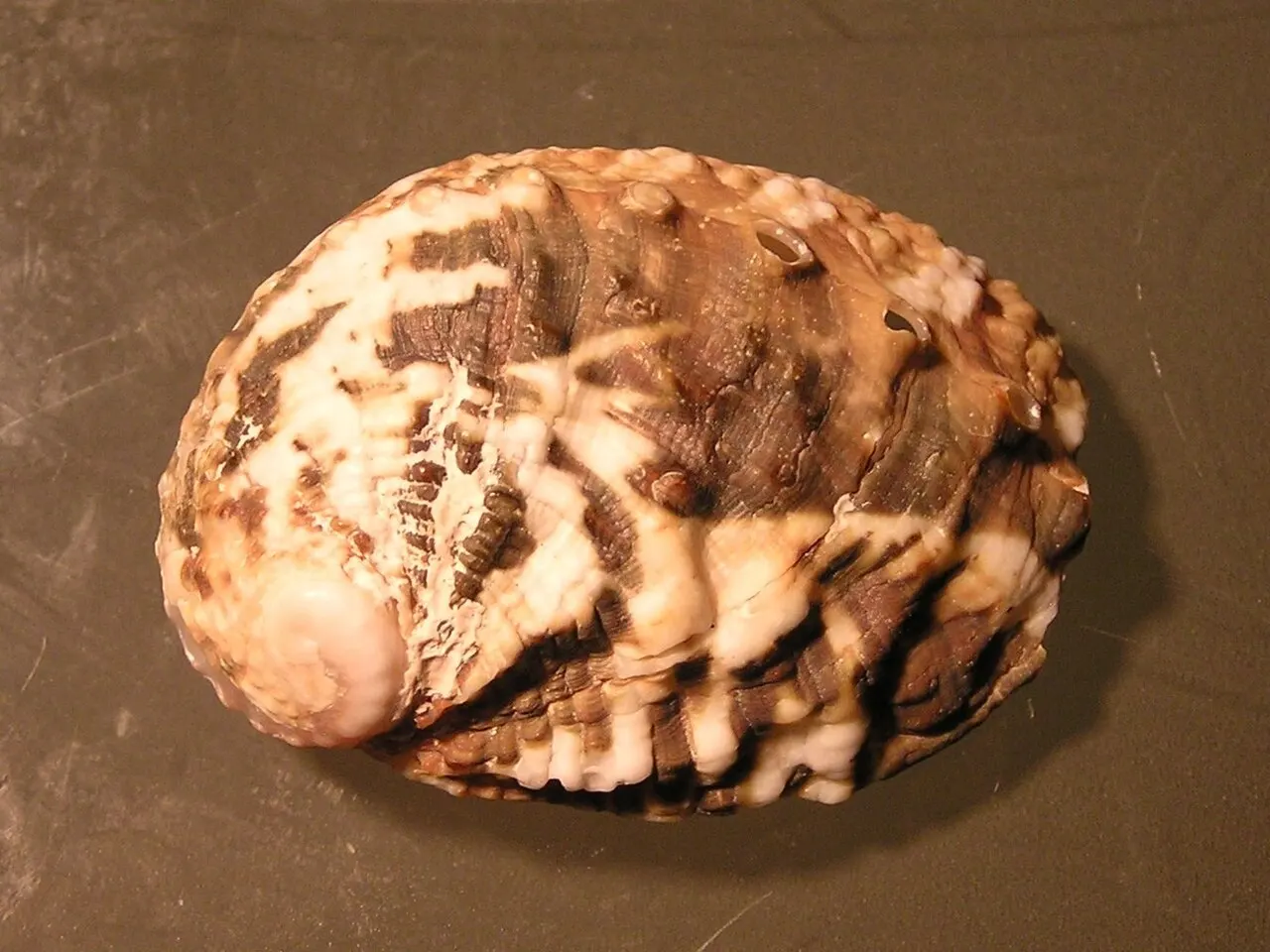
Haliotis madaka, the giant abalone, is a large sea snail found off Japan and Korea. The IUCN Red List classes it as Endangered (2022 assessment, criteria A2cde), a category that rests on a population decline. Studies at declining Japanese sites have linked antifouling paint pollution to reproductive damage in this species.
How to recognise it
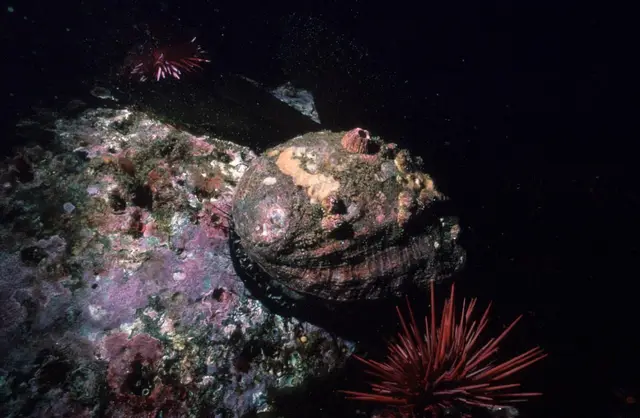
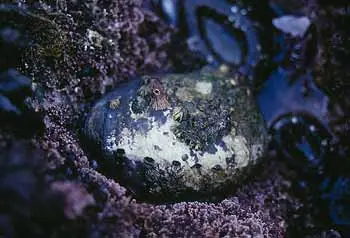
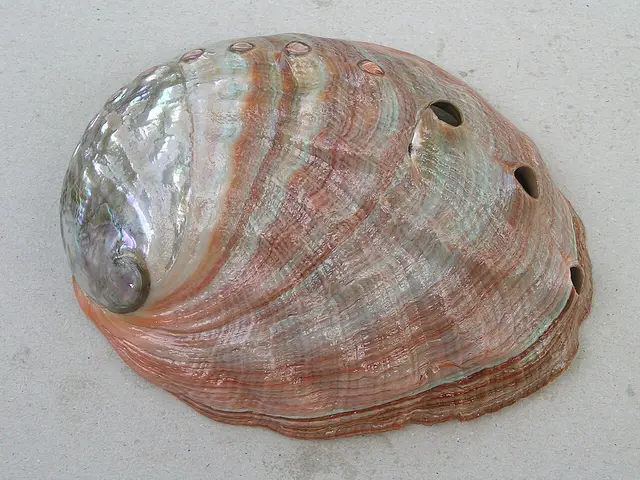
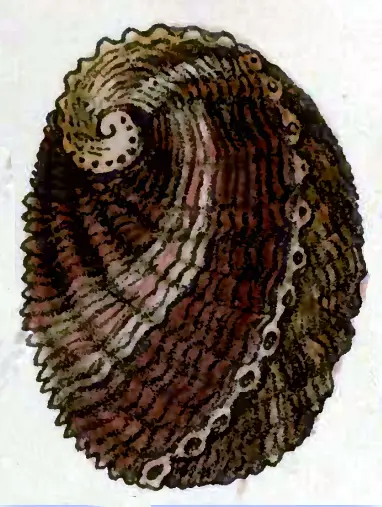
Like other abalone, it carries a flat, ear-shaped shell with a wide opening and a row of respiratory pores. Reported shell lengths range from about 60 to 246 millimetres, and the shell is tan. In a 2026 morphometric study of 22 specimens from Honshu, the mean shell length was 137 millimetres, the largest average of the five abalone species compared.
It closely resembles Haliotis discus discus, another Japanese abalone, and a published study has reportedly found genetic material passing between the two.
Where it lives
The species is found off Japan and Korea and lives on coastal reefs. It is an herbivore, grazing on algae as abalone generally do. Specimens in the morphometric study came from Honshu, and the pollution studies below sampled Tsushima and Jogashima, both in Japan.
Pins are Wikidata “endemic to” fields. Orange dots, when present, are GBIF occurrence tiles — survey bias included.
Why it is in trouble
The cause of the decline is not fully understood. One line of evidence points to pollution. A study of giant abalone from Tsushima, a reference site, and from Jogashima, a site where stocks were declining, sampled monthly from September 1995 to November 1996. Males and females at Tsushima matured in step, but those at Jogashima did not. About 20% of the Jogashima abalone were females with testis tissue in the ovary.
Tributyltin and triphenyltin, chemicals from antifouling paints, were significantly higher in the muscle of the Jogashima animals. Abalone from Tsushima caged for seven months near a dockyard at Jogashima developed sperm-producing tissue in the ovary in about 90% of the females. A follow-up covering January 1998 to March 1999 again found about 19% of Jogashima females masculinised and contamination still present.
The researchers suggested that organotin compounds may be one cause of the decline of Japanese abalone stocks. That remains a hypothesis, and the data are from specific sites in the 1990s.
What is being done
Japan farms this species alongside the other abalone species Haliotis discus hannai and Haliotis gigantea, according to the 2026 morphometric study. No catch figures or recovery programmes were found in the sources checked, so the extent of wild harvest and of any protection is unclear.
Sources
Written for this catalog in our own words from the sources below, checked against them on 12 November 2026. Population figures are estimates and carry the year they were made. Status and assessment year: IUCN. 2026. The IUCN Red List of Threatened Species. Version 2026-1. iucnredlist.org.
- IUCN Red List assessment (status from catalog data; page could not be opened)
- Ovo-testis and disturbed reproductive cycle in the giant abalone, Marine Environmental Research 2000 (abstract via Europe PMC)
- Continuing observation of disturbed reproductive cycle, Marine Pollution Bulletin 2005 (abstract via Europe PMC)
- Geometric morphometrics of five abalone species, Biodiversity Data Journal 2026
- Haliotis madaka, Wikipedia