Critically Endangered
Trinidad white-fronted capuchin
Cebus trinitatis
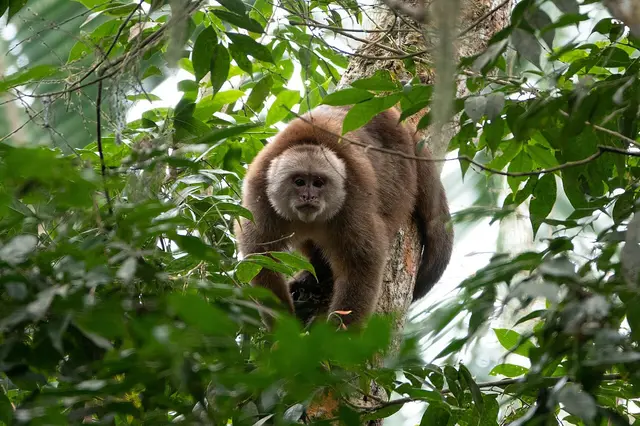
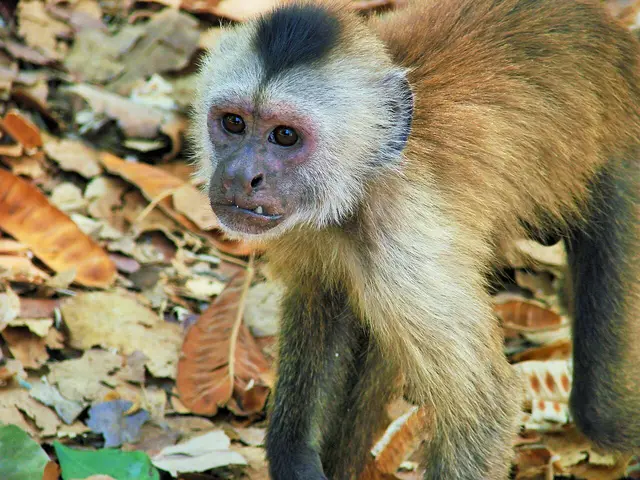
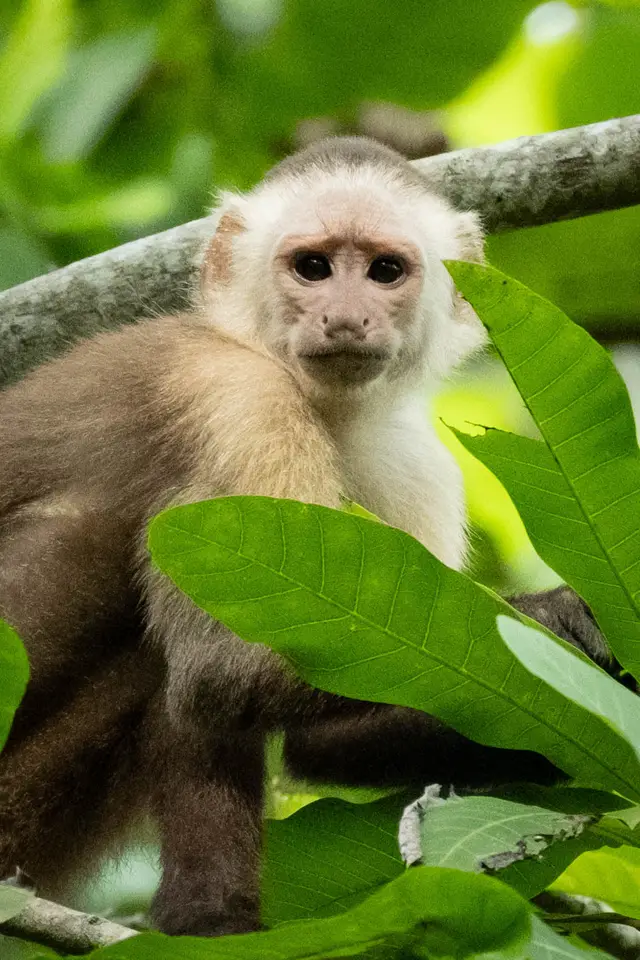
The Trinidad white-fronted capuchin (Cebus trinitatis) is a slender, pale-faced monkey found only on the island of Trinidad. The IUCN rated it Critically Endangered in 2021 and estimated just 50 mature individuals, with the population still declining. Whether it is a full species is disputed.
How to recognise it
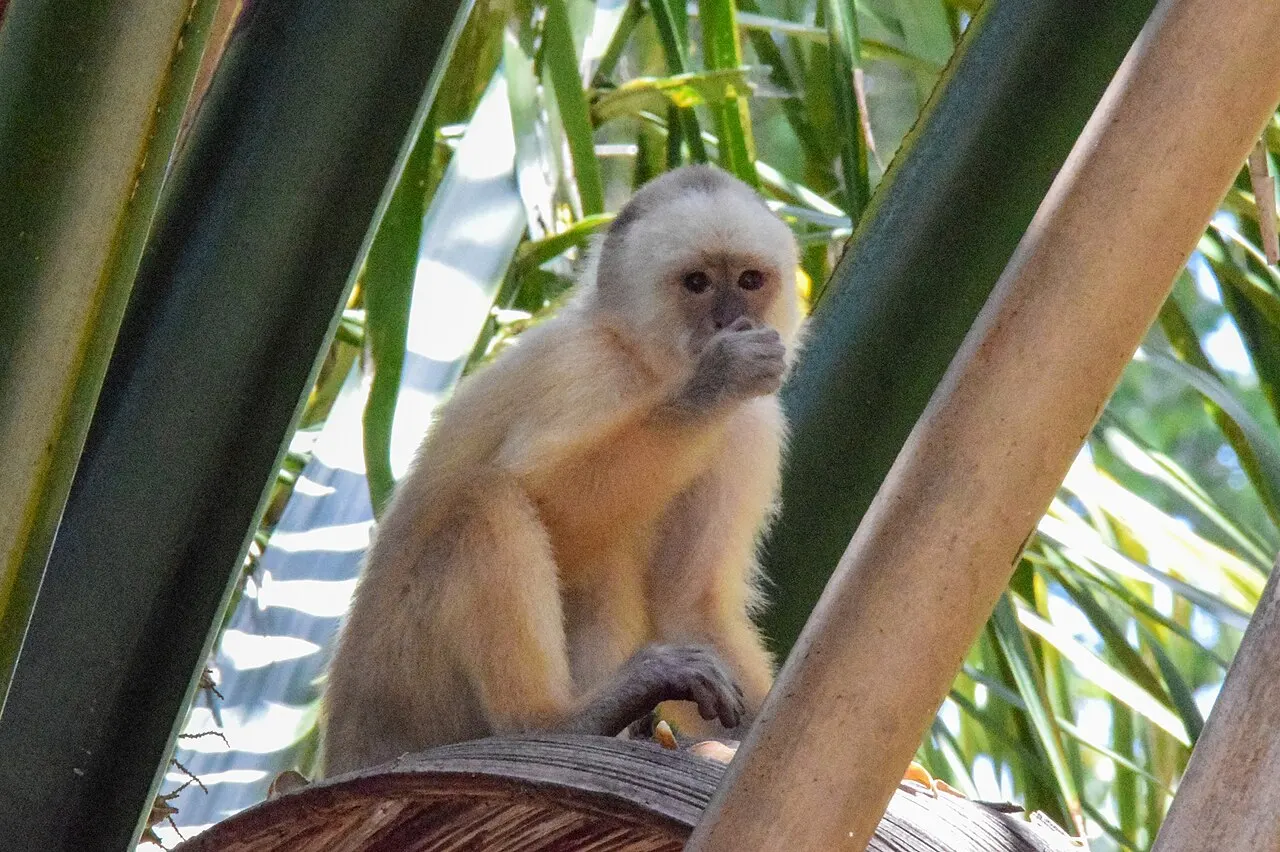
This is a gracile capuchin, a slim-built member of its genus. A New England Primate Conservancy profile describes a tan to light-brown back, a white face and chest, and chocolate-brown eyes. The head and body average about 37 cm and the tail about 42 cm. Adults weigh roughly 2.5 to 5 kg, with males heavier than females.
The tail is semi-prehensile. It helps with balance and grip and can brace the body while the monkey forages, but it cannot carry the animal's full weight.
Where it lives
It lives only on Trinidad. It prefers primary forest but also uses secondary forest, and it favours moister, less disturbed woodland than other capuchins do. The IUCN lists moist lowland, moist montane and dry forest among its habitats.
Today the animals are concentrated in two protected areas, Bush Bush Wildlife Sanctuary (about 1,550 ha) and Trinity Hills Wildlife Sanctuary (about 6,483 ha), with some in nearby unprotected places such as Nariva Swamp. The IUCN treats the range as a single location.
Pins are Wikidata “endemic to” fields. Orange dots, when present, are GBIF occurrence tiles — survey bias included.
How it lives
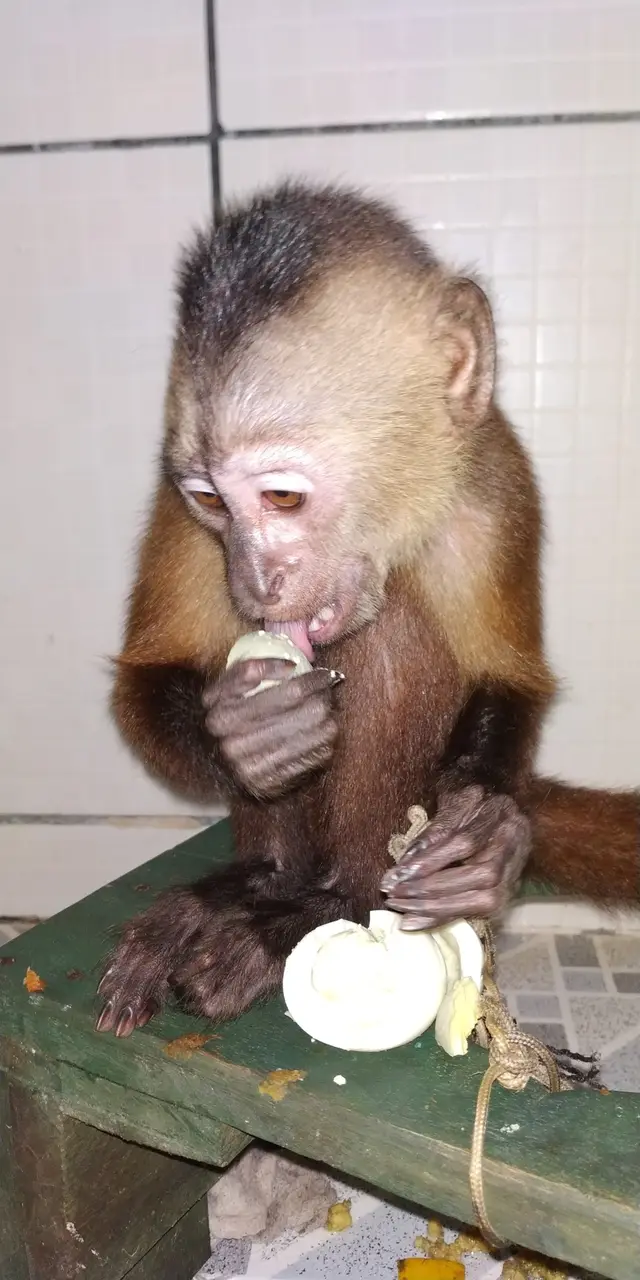
Little has been studied on this monkey specifically. A profile from the New England Primate Conservancy describes it as an omnivore that eats seeds, insects and larvae, fruit, flowers and young leaves, and sometimes eggs and young birds.
Troops of about 8 to 17 animals are typical, usually with more females than males. Males generally leave the troop where they were born, while females stay. Home ranges usually exceed 80 ha. Females have a single infant after about five months of gestation, and other females in the troop help care for it.
Why it is in trouble
Hunting and habitat loss have been named for decades. A 1994 survey of Trinity Hills, Bush Bush and Central Range sanctuaries, published in Oryx in 1996 by Hsu and Agoramoorthy, found that capuchin and red howler numbers in Bush Bush had dropped by about 25 percent over the previous 25 years. The survey blamed intensive hunting and habitat destruction.
The 2021 IUCN assessment lists housing and commercial development, hunting aimed at the species and accidental killing as threats. Illegal logging degrades the forest, and hunters entering the sanctuaries with dogs and firearms remain a problem. Capuchins were once shot as crop pests and taken for the pet trade, which has declined but not stopped. Development also isolates the two sanctuaries from other forest.
What is being done
The IUCN records that the monkey occurs in at least one protected area and is covered by international trade controls. It is in CITES Appendix II. Recommended actions include more research on its ecology, wildlife corridors linking the sanctuaries to other forest, public awareness among local residents, and tighter control of settlement near protected land.
A species or a subspecies?
Authorities disagree. The IUCN treats it as its own species, Cebus trinitatis. The American Society of Mammalogists reportedly includes it in the Venezuelan brown capuchin, and ITIS lists it as a subspecies of Humboldt's white-fronted capuchin. A 2012 genetic study of a single Trinidad specimen reportedly found brown capuchin mitochondrial genes, but doubts remain, partly because the specimens used differ from the brown capuchin's type specimen.
Sources
Written for this catalog in our own words from the sources below, checked against them on 12 November 2026. Population figures are estimates and carry the year they were made. Status and assessment year: IUCN. 2026. The IUCN Red List of Threatened Species. Version 2026-1. iucnredlist.org.