Endangered
Brown weeper capuchin
Cebus brunneus
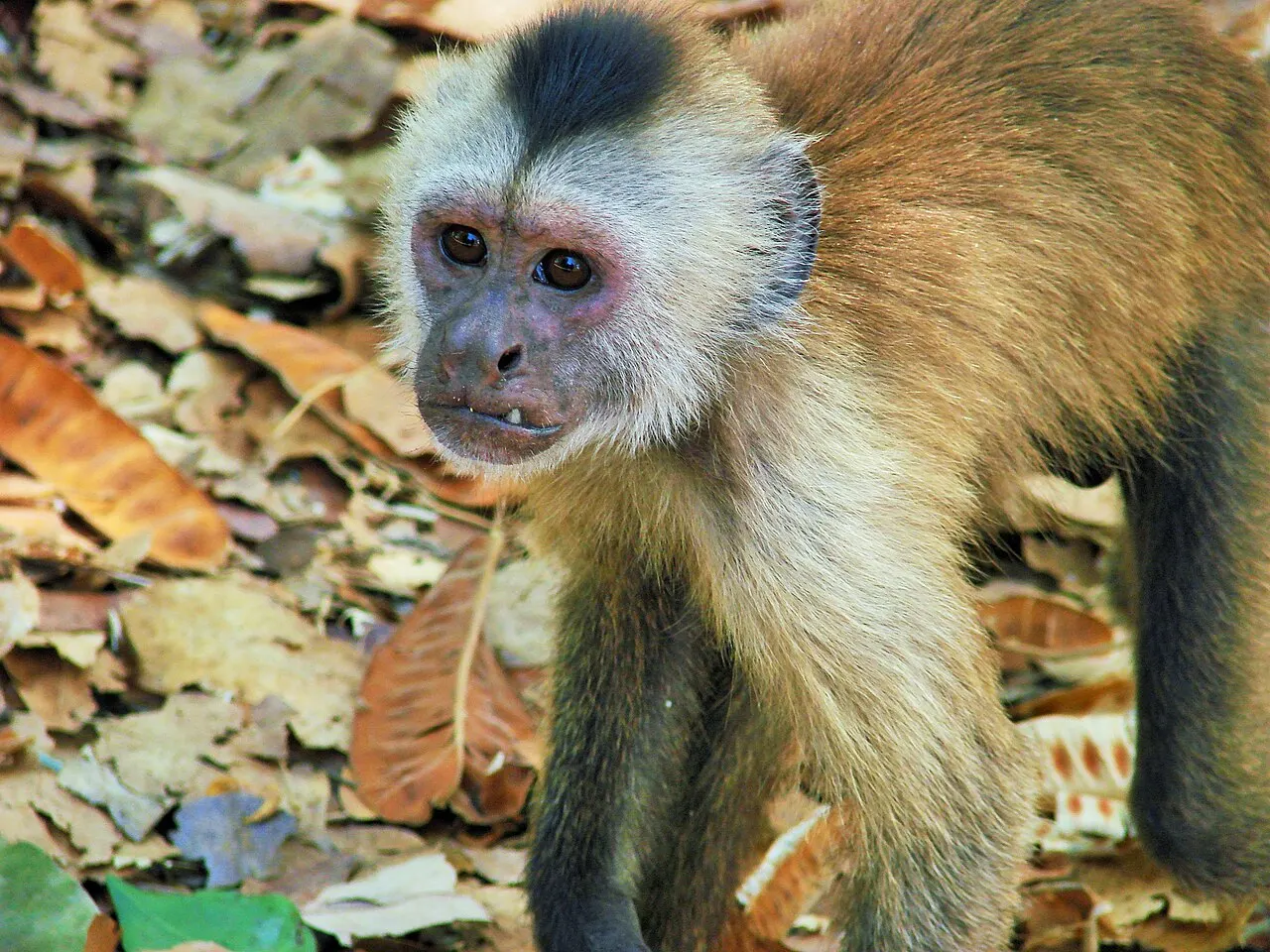
The brown weeper capuchin (Cebus brunneus), also called the Venezuelan brown capuchin, is a thick-furred monkey found only in northern Venezuela. The IUCN Red List rated it Endangered in 2021, with a decreasing population, as forest is cleared for building and the animals are hunted and trapped.
How to recognise it
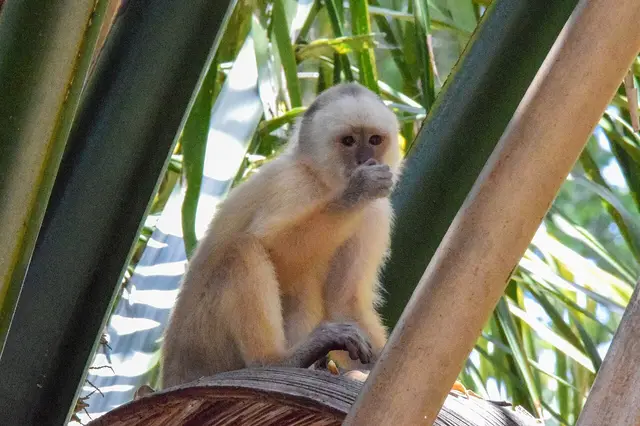
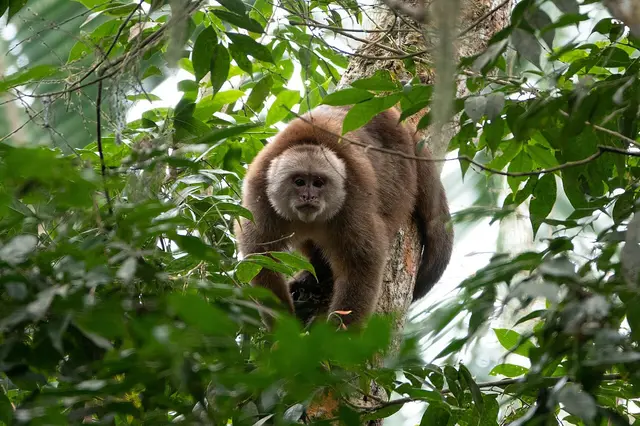
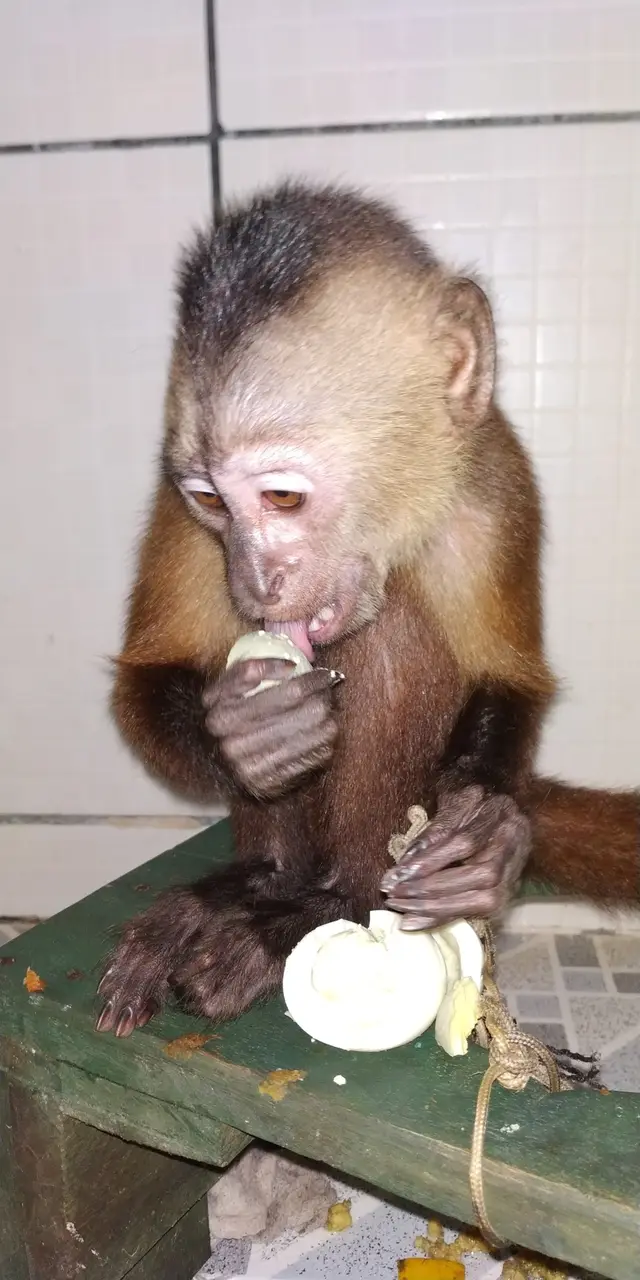
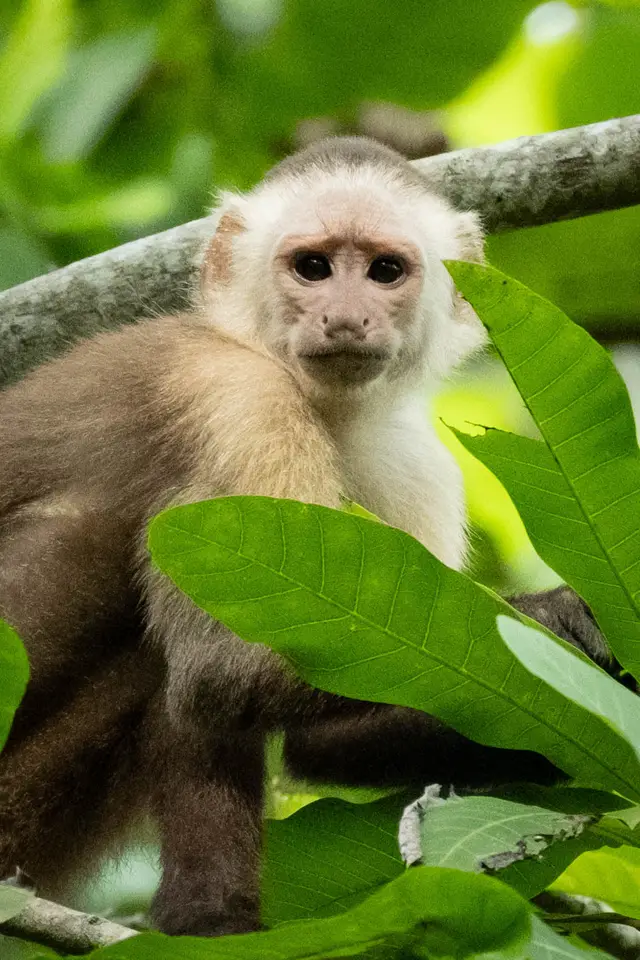
This is a medium-sized monkey with long, dense brown fur. The face and sides of the head are pale yellowish gray, with a dark wedge on the forehead, and the hands are blackish. Males and females look alike.
Adults measure roughly 42 cm from head to rump, with a tail of about 44 cm, and weigh around 3.5 kg. It's hard to separate from the white-fronted and white-faced capuchins by looks alone, which is part of why its classification has been argued over.
Where it lives
The species is known from northern Venezuela, along the Cordillera de la Costa (the coastal mountain range) and, further west, in dry semi-deciduous and gallery forest in the Llanos. The American zoologist J. A. Allen described it in 1914 from a specimen collected at Aroa, a railway station in Yaracuy state, at about 222 m.
The Red List gives its habitat as moist lowland forest, dry forest and moist montane forest, between about 100 and 1,400 m above sea level. Protected areas within its range include Henri Pittier and El Avila national parks.
Pins are Wikidata “endemic to” fields. Orange dots, when present, are GBIF occurrence tiles — survey bias included.
How it lives
Brown weeper capuchins eat fruit, flowers, young leaves, insects, larvae and snails. Tool use hasn't been described for the mainland animals themselves, but a related Trinidad form, which some authorities treat as the same species, has been seen folding leaves into drinking cups.
Groups average around 10 animals, made up of juveniles, adult females and unrelated adult males, with home ranges of roughly 84 hectares. Males leave the group they were born in when they mature. Females usually have a single infant, and the gap between births is probably 19 to 26 months, though data are limited.
Why it is in trouble
The Red List names commercial development and housing and urban growth as threats, along with deliberate capture, and lists pets as a use of the species. Conversion of forest to farmland and cattle pasture is also reported, and some farmers kill the monkeys over crop damage. Capuchins are among the primates most often traded illegally in Venezuela.
Assessors estimated an ongoing decline of about 50 percent, based on shrinking and degraded habitat and on exploitation. The generation length is put at 16 years.
A species with a tangled name
Cebus brunneus was long treated as a subspecies of the Guianan weeper capuchin, and a 2008 assessment listed it that way. A 2012 genetic study by Boubli and colleagues found enough DNA divergence to call it a separate species, and folded the Trinidad white-fronted capuchin into it. Later measurements of museum specimens found that the animals used in that study differ from the original type specimen.
Some references still list the Trinidad monkeys under other species. Which animals count as this species changes what its range looks like, and the status of the Trinidad population remains disputed.
Sources
Written for this catalog in our own words from the sources below, checked against them on 12 November 2026. Population figures are estimates and carry the year they were made. Status and assessment year: IUCN. 2026. The IUCN Red List of Threatened Species. Version 2026-1. iucnredlist.org.