Critically Endangered
Branchinecta mexicana
Branchinecta mexicana
Branchinecta mexicana is a fairy shrimp from central Mexico, described by Maeda-Martínez and colleagues in the early 1990s. The IUCN Red List has rated it Critically Endangered since 1996. Museum records place it in roadside temporary pools in the highlands of Puebla and Tlaxcala, with nothing recorded since 1996.
What it is
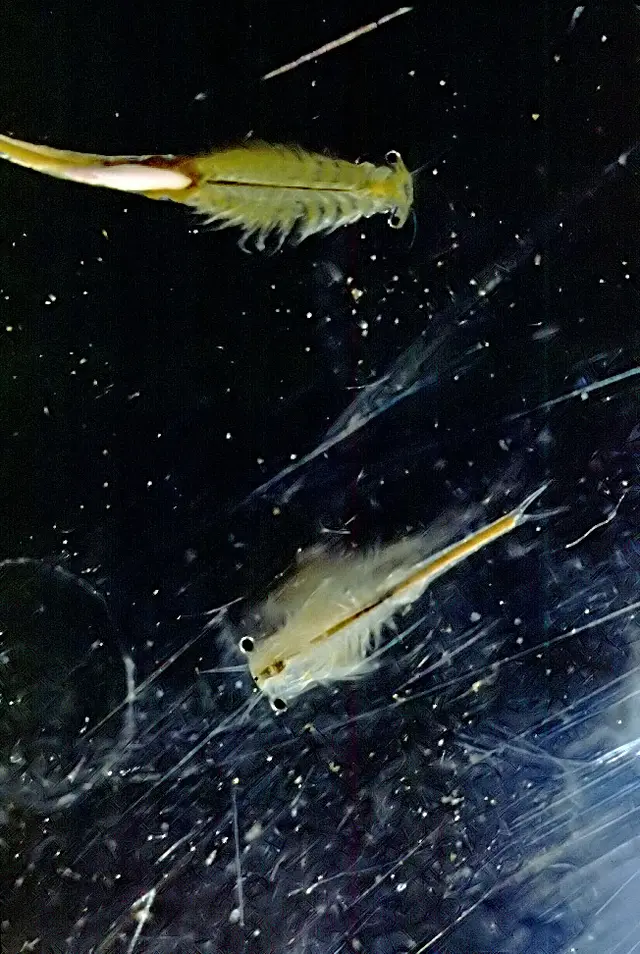
Branchinecta mexicana is a fairy shrimp in the family Branchinectidae, a group of small crustaceans that live in pools which fill with rain and later dry. It was named in the Journal of Crustacean Biology in 1993, in a paper titled as a new fairy shrimp from central Mexico. The name is credited to Maeda-Martínez, Obregón-Barboza and Dumont, 1992.
Where it has been found
The Red List lists Mexico as the only country, and records the species as endemic there. The Global Biodiversity Information Facility holds 19 preserved specimen records, dated 1965, 1985 and 1996. Thirteen are tagged to the state of Puebla and one to Tlaxcala, with the rest lacking a state.
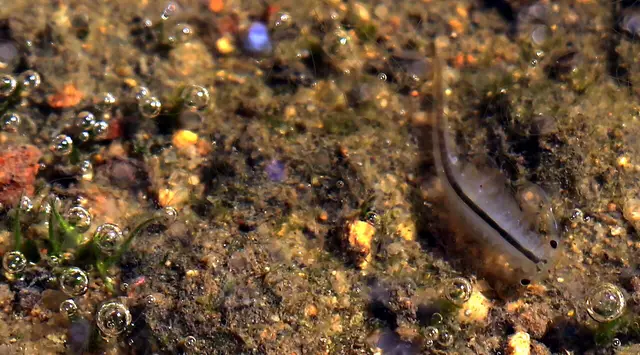
Several localities are roadside pools. One is a seasonal pond along Federal Highway 119 about 8 kilometres north of Tlaxco, at Ejido Ávila Camacho, sampled in 1965 and 1985. The 1996 collections come from along Federal Highway 140 between Zacatepec and El Seco, near the turnoff to Tlachichuca, and from a pool beside the Laguna de Totolcingo on Federal Highway 129. Recorded elevations run from about 2,100 to 2,860 metres, so these are high-altitude pools rather than lowland ones.
Pins are Wikidata “endemic to” fields. Orange dots, when present, are GBIF occurrence tiles — survey bias included.
Life in temporary pools
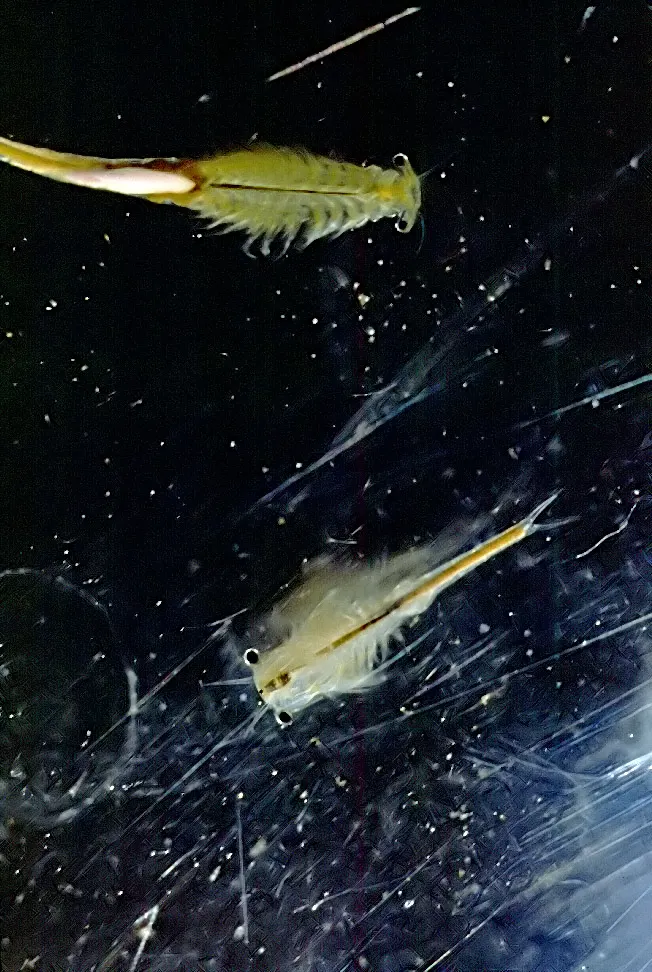
Fairy shrimp in general swim belly-up, beating eleven pairs of leaf-like legs that also work as gills. They mostly eat algae and plankton. Females typically lay 10 to 150 eggs per clutch, and the eggs settle into the mud as dormant cysts that can outlast dry spells of years, sometimes decades. In some species the cysts need near-freezing temperatures plus rain or snowmelt to hatch.
This biology has not been described in detail for B. mexicana itself, but the pattern explains why such species are vulnerable. A pool that is drained, ploughed, paved or fouled can lose a population whose eggs would otherwise wait out the dry season.
Status
The 1996 Red List assessment, under criteria B1+3d, rates the species Critically Endangered and gives no population estimate, threats list or conservation action. The most recent specimens in the public record are from 1996, so the current condition of the pools is unknown.
Sources
Written for this catalog in our own words from the sources below, checked against them on 12 November 2026. Population figures are estimates and carry the year they were made. Status and assessment year: IUCN. 2026. The IUCN Red List of Threatened Species. Version 2026-1. iucnredlist.org.