Critically Endangered
Branchinecta belki
Branchinecta belki
Branchinecta belki is a fairy shrimp, a small freshwater crustacean, described from Mexico in 1992. It is known only from a handful of collections in the state of Coahuila, and the IUCN Red List has rated it Critically Endangered since 2000. The record holds almost no detail beyond its range.
What it is
Fairy shrimp are small crustaceans that live in pools that fill and dry out. Branchinecta belki belongs to the order Anostraca and the family Branchinectidae. Maeda-Martínez, Obregón-Barboza and Dumont described it in 1992 in the journal Hydrobiologia. The paper's title points to something unusual: under laboratory conditions it hybridises with a related species, Branchinecta packardi.
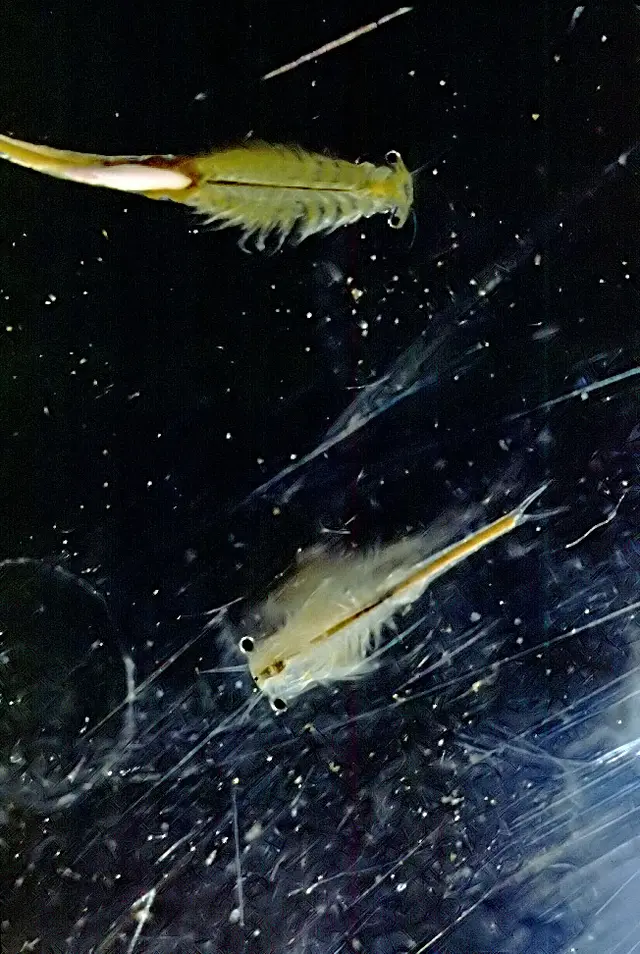
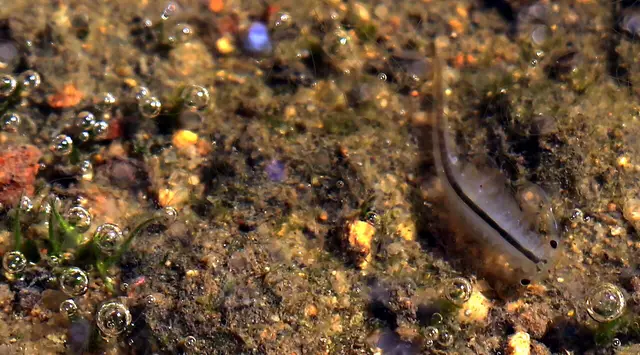
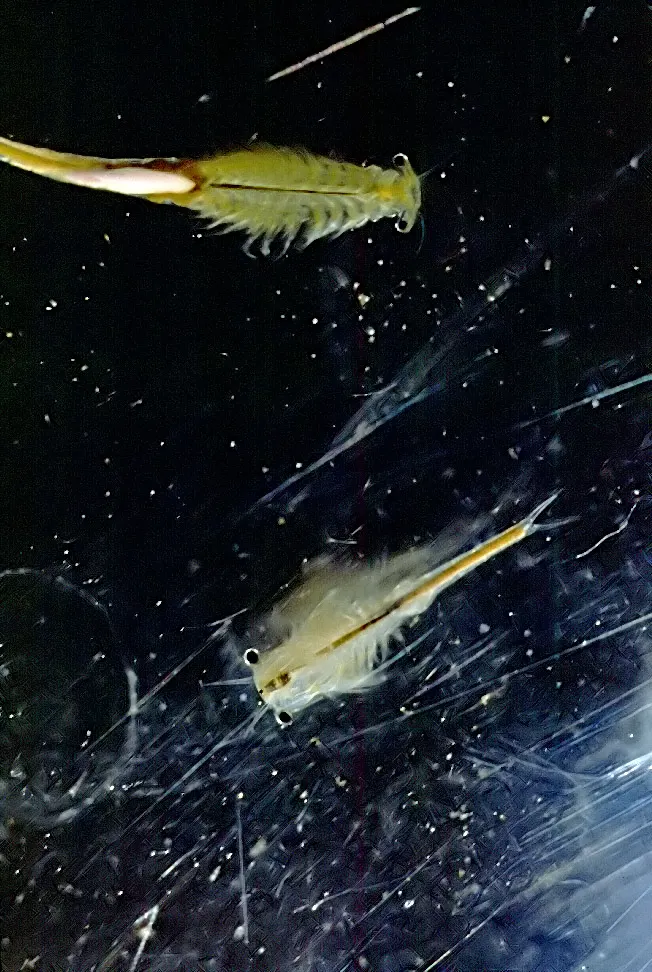
Photos and descriptions of B. belki itself are scarce. Fairy shrimp as a group are usually 10 to 44 millimetres long and swim belly-up, beating eleven pairs of leaf-like legs that also work as gills. Whether this species matches that pattern in size and colour has not been documented.
Where it has been found
The Red List gives Mexico as the only country, and lists the species as endemic there. The Global Biodiversity Information Facility holds 18 preserved specimen records, 15 of them dated between 1980 and 1985. Nearly all come from around El Dorado, about 80 kilometres west of Saltillo along Federal Highway 40 in Coahuila.
Where elevation is recorded it is about 1,100 to 1,150 metres. That is a very small footprint, and every dated record is decades old. No later survey appears in the public record, so the present state of its pools is unknown.
Pins are Wikidata “endemic to” fields. Orange dots, when present, are GBIF occurrence tiles — survey bias included.
Life in temporary pools
Details for this species are lacking, but fairy shrimp in general follow a recognisable pattern. They live in temporary pools without fish. Females typically lay 10 to 150 eggs per clutch, and the fertilised eggs settle into the mud as dormant cysts. Those cysts can survive dry spells for years, sometimes decades, and in some species need near-freezing temperatures plus rain or snowmelt before they hatch. A pool can be dry and still hold a living population.
Species like this are exposed to anything that fills in, drains or paves over a pool. The Red List record carries no listed threats, population number or conservation actions.
Status
The IUCN rated Branchinecta belki Critically Endangered in 2000, under criteria B1+2abcde. With records limited to a few localities in Coahuila, it is a species where fresh fieldwork would count for more than anything else.
Sources
Written for this catalog in our own words from the sources below, checked against them on 12 November 2026. Population figures are estimates and carry the year they were made. Status and assessment year: IUCN. 2026. The IUCN Red List of Threatened Species. Version 2026-1. iucnredlist.org.