Endangered
Bedotia madagascariensis
Bedotia madagascariensis
Bedotia madagascariensis is a small freshwater fish from the rivers and lakes of eastern Madagascar. The IUCN Red List has listed it as Endangered since its 2016 assessment. It is also an aquarium fish, long sold under another species' name, which has made it hard to tell how few remain in the wild.
How to recognise it
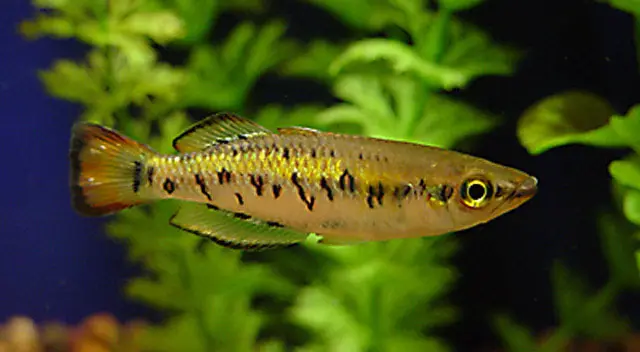
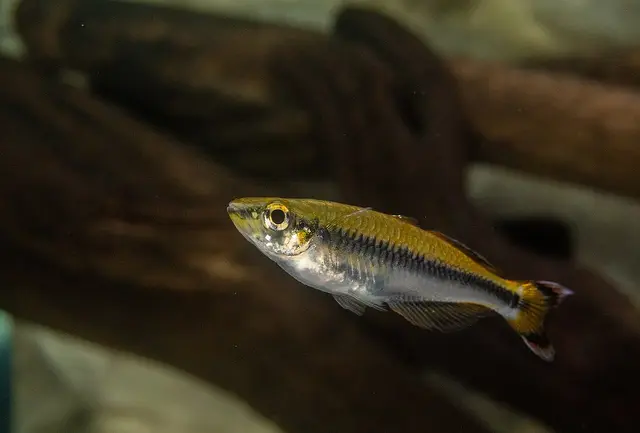
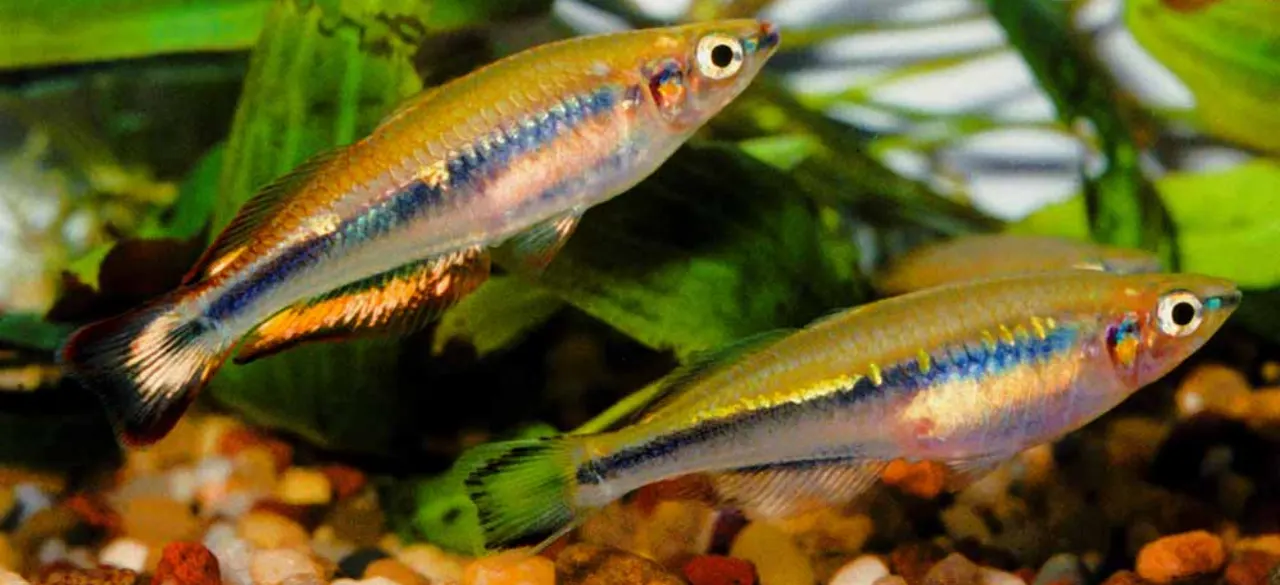
This is a small freshwater fish of the rainbowfish family Bedotiidae, reaching about 10 cm. It was described in 1903 by the British ichthyologist Charles Tate Regan, with Madagascar as its type locality. The genus name honours Maurice Bedot, then director of the natural history museum in Geneva, which holds the type specimen.
Identification is tricky even for hobbyists. A fish imported to France in 1953 as Bedotia geayi became a popular aquarium species. Genetic work by Cologne Zoo and the University of Braunschweig later showed that the aquarium stock is actually B. madagascariensis, collected near Lake Rasoabe, several hundred kilometres north of where B. geayi was found. It is reportedly called zona locally.
Where it lives
It is found only in Madagascar, on the central east coast. One account puts its range between the Ivoloina River and the Manambolo Creek, in rivers and lakes, and the Pangalanes canal region is also named. The IUCN treats the known sites as a single location, with an estimated extent of occurrence of about 1,875 square kilometres.
The fish prefers clear, well-shaded water with dense vegetation along the banks. The IUCN lists permanent rivers and streams and permanent freshwater lakes among its habitats. It occurs in at least one protected area.
Pins are Wikidata “endemic to” fields. Orange dots, when present, are GBIF occurrence tiles — survey bias included.
Why it is in trouble
The wild population is declining. Forest clearance strips away the shade over its streams, and in open sun the water can warm until it no longer suits the fish. Erosion and siltation from deforestation add to the damage.
It is also caught and eaten locally. An introduced snakehead, Channa maculata, has spread widely in Madagascar and preys on small fish. The 2016 assessment gives no wild population size.
What is being done
The best-documented effort is in captivity. The conservation network Citizen Conservation lists the species in its breeding programme, with a target of 16 breeders and 192 animals (status as of May 2026). Aquarium stocks are probably many times larger than the wild population, which offers some insurance.
The IUCN lists site and area management and control of invasive species as conservation actions needed.
Sources
Written for this catalog in our own words from the sources below, checked against them on 12 November 2026. Population figures are estimates and carry the year they were made. Status and assessment year: IUCN. 2026. The IUCN Red List of Threatened Species. Version 2026-1. iucnredlist.org.