Saudi Arabia
6 catalog pins
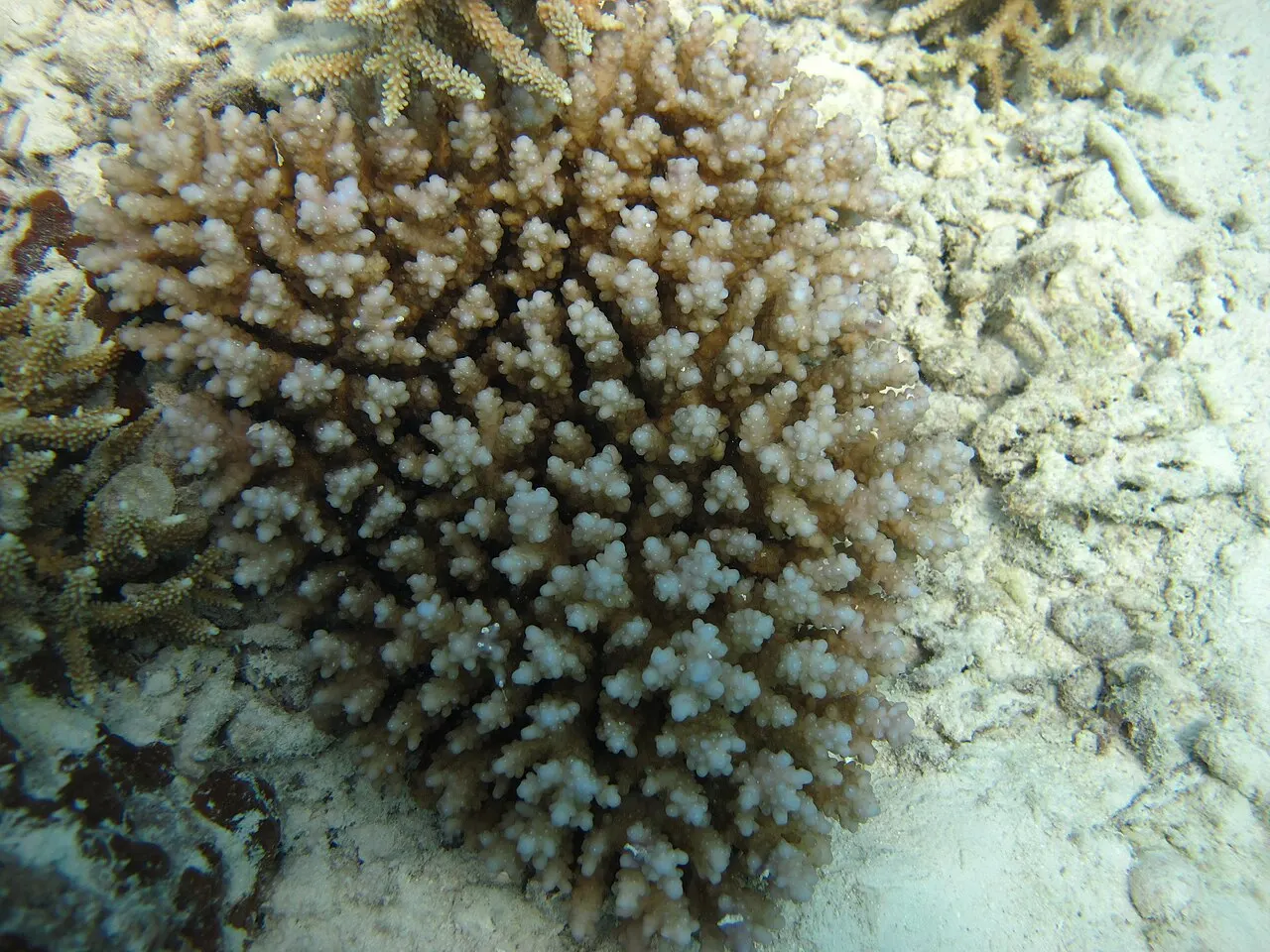
6 animals in this catalog carry a structured country pin for Saudi Arabia. That is a filing fact, not a claim that the crisis is only here.
The photograph is one of those animals: Acropora squarrosa. Open a dossier for the text, the status, and the map. Use the world map to jump to another country. Confirm official distributions on the Red List.
Saudi Arabia covers roughly 1,969,000 square kilometres (Convention on Biological Diversity profile), and most of it is desert or dry shrubland. It holds the Rub' al Khali, the largest contiguous sand desert in the world, along with the An Nafud in the north and a central plateau called the Najd.
Wildlife is richer at the edges. The Sarawat and Asir mountains run parallel to the Red Sea, with juniper and olive woodland on the higher slopes, and a coastal plain lies between the mountains and the water. The country has over 1,300 islands. The national profile lists about 2,250 flowering plants, around 246 of them regionally endemic, plus 93 mammals, 432 birds and 103 reptiles. Another section of the same profile gives different bird and mammal counts (444 and 76), so treat these as approximate.
Where the pressure comes from
The country's own biodiversity profile names habitat destruction and fragmentation, overgrazing and overhunting as main pressures, with pollution, urban expansion and invasive species added. Human activity, including off-road driving and hunting, has contributed to local extinctions such as the striped hyena. The Arabian oryx had been hunted out of the wild by 1970.
Along the Red Sea, the concern is different. The sea has about 2,000 km of coral reef, around 200 kinds of coral and more than 1,200 recorded fish, roughly a tenth of them found nowhere else. Its reefs are often described as among the healthiest in the world. The sea is also highly vulnerable to pollution, particularly oil spills.
What is being done
The same profile counts 15 protected areas covering almost 4 percent of the land, with a national plan to reach about 10 percent. Mahazat as-Sayd, a fenced reserve of more than 2,200 square kilometres, is where captive-bred oryx were reintroduced after a breeding programme began at the Phoenix Zoo in the 1960s.
At sea, the Farasan Islands cover about 1,050 square kilometres and were designated a UNESCO Biosphere Reserve in 2021. Their waters are used by dugongs, manta rays, whale sharks and green and hawksbill turtles. In the mountains, the Arabian leopard is possibly extinct in Saudi Arabia. The Sharaan Nature Reserve near Al-'Ula is meant as a sanctuary for it, and in February 2023 the Royal Commission for Al-'Ula created a $25 million conservation fund.
Reading the catalog for Saudi Arabia
The catalog's list here is short and leans toward reef-building corals. Anthozoa, the coral and anemone class, is the largest group in the catalog's list, and Acroporidae is the largest family. That fits the Red Sea setting. The list also includes one fish in the carp family, Cyprinidae.
Sources for this section
- CBD country profile, Saudi Arabia: area, species counts, plant endemism, threats, 15 protected areas near 4%, 10% target
- Wildlife of Saudi Arabia (Wikipedia): deserts, Asir mountains, over 1,300 islands, local extinctions, oryx 1970, Mahazat as-Sayd, Phoenix Zoo
- Red Sea (Wikipedia): about 2,000 km reef, 200 coral types, 1,200 fish, 10% endemic, healthiest reefs, oil spill vulnerability
- Farasan Islands (Wikipedia): 1,050 km2, Biosphere Reserve 2021, dugongs, rays, turtles
- Arabian leopard (Wikipedia): possibly extinct in Saudi Arabia, Sharaan reserve, February 2023 fund
What the catalog records for Saudi Arabia
The catalog has 6 animals with a country pin for Saudi Arabia: 6 Endangered. By GBIF class the largest groups are Anthozoa (5), unknown (1). The families with the most records are Acroporidae (4), Cyprinidae (1), Pocilloporidae (1). A pin means a structured source (Wikidata or a GBIF match) places the animal in Saudi Arabia; it does not say the animal lives only there.
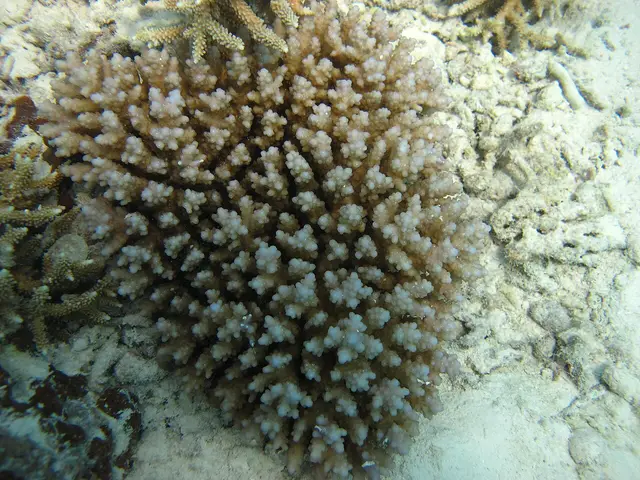 EN
Acropora squarrosa
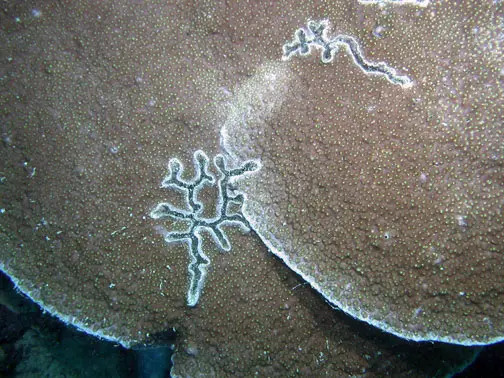 EN
Astreopora cucullata
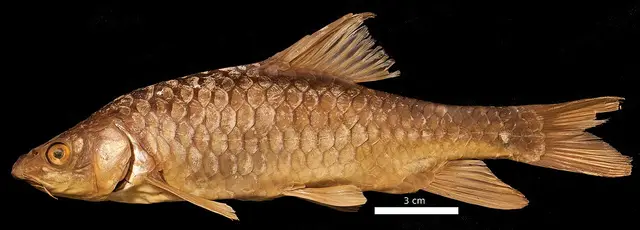 EN
Hadramaut himri
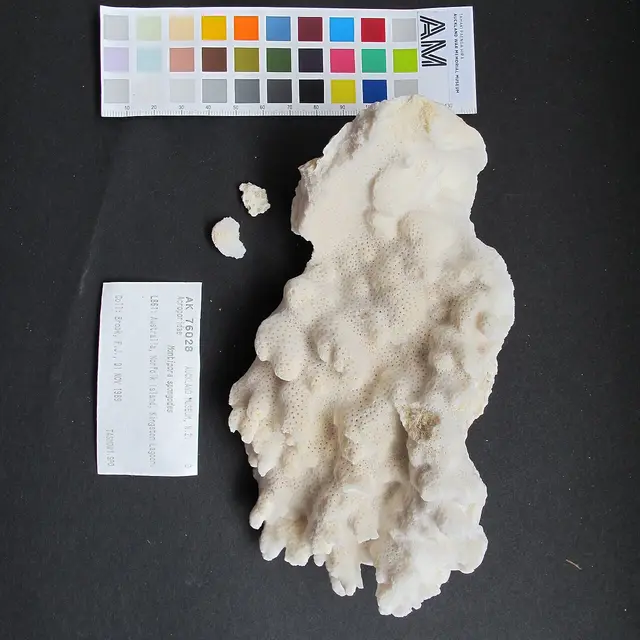 EN
Montipora spongodes
 EN
Montipora spumosa
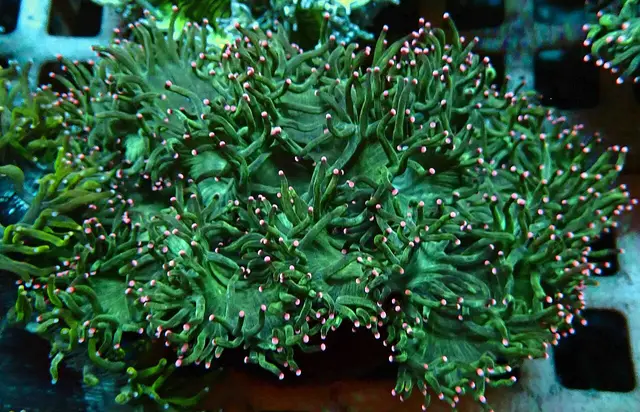 EN
Stylophora subseriata
Total pins: 6.
Quick answers
- Do all these animals live only in Saudi Arabia?
- No. A pin means a Wikidata place field resolved here. Official ranges can be wider.
- Is this a government list?
- No. It is a slice of this catalog.