Egypt
6 catalog pins
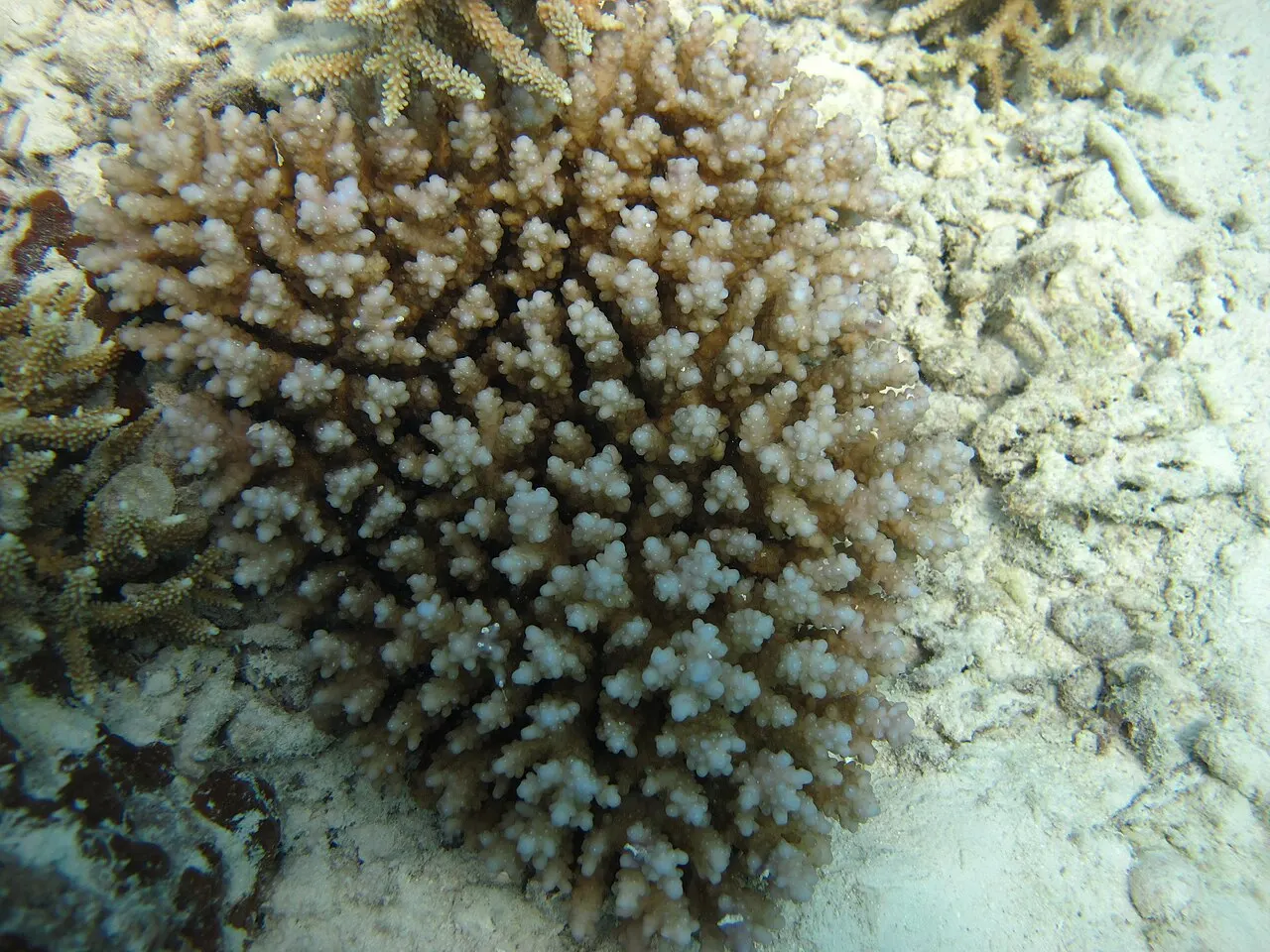
6 animals in this catalog carry a structured country pin for Egypt. That is a filing fact, not a claim that the crisis is only here.
The photograph is one of those animals: Acropora squarrosa. Open a dossier for the text, the status, and the map. Use the world map to jump to another country. Confirm official distributions on the Red List.
Egypt is mostly desert. The Convention on Biological Diversity's country profile puts deserts at about 92% of the land and farmland at about 8%, most of it squeezed into the Nile Valley and Delta. Beyond the river lie the Western Desert (about two-thirds of the territory), the Eastern Desert's mountain ridge, the Sinai Peninsula and oases such as Siwa.
The animals that make the catalog's list for Egypt are mostly not desert animals, though. They live in the sea. Egypt has a long Red Sea coast, and the Red Sea has roughly 2,000 km of fringing coral reef, built largely by Acropora and Porites corals, with more than 1,200 fish species recorded and about 10% of them endemic (figures undated).
Where the pressure comes from
The CBD profile names several pressures. Excessive hunting endangers resident and migratory birds, the water hyacinth introduced to the Nile harms life in the river, and unregulated tourism is a major threat to marine ecosystems. It also notes that about 20% of Egyptians live in coastal areas, more than 40% of industrial activity sits in the coastal zone, and about 11 million tourists visit each year. Those figures are old, from roughly the 2000s.
The Red Sea itself faces a newer risk: shipping. Maritime traffic there accounts for 12 to 15% of global trade. The MV Rubymar sank in February 2024 after an attack on the vessel, releasing fuel oil and marine diesel into the sea.
What is being done
Egypt created Ras Mohammed National Park in 1983, described as the first marine protected area in Africa and the Middle East. The CBD profile says protected areas covered up to 15% of the territory, against a goal of 20% by 2017, and that Egypt has been party to the convention since 1994. Its national biodiversity strategy dates from 1998, with a revision begun but not dated in the profile.
The northern end of the Red Sea has a hopeful side. Fine, Gildor and Genin reported in 2013 that no bleaching event had been observed in the Gulf of Aqaba, even when conditions would normally cause it, and suggested a warm-water barrier in the southern Red Sea could make the area a reef refuge. That is a hypothesis about one gulf, not a guarantee for all Egyptian reefs.
Reading the catalog for Egypt
Corals are the largest group in the catalog's list for Egypt, with a tortoise and a ray making up the rest. A short list does not mean Egypt has few threatened animals. Many threatened Egyptian mammals and birds may be assessed at other levels and so do not appear in this catalog.
Sources for this section
- CBD country profile, Egypt: deserts 92%, threats (bird hunting, water hyacinth, tourism), coastal figures, protected area 15%, strategy 1998, treaty date
- Wildlife of Egypt (Wikipedia): Western Desert about two-thirds, Nile Valley and Delta, Eastern Desert, Sinai, Siwa
- Red Sea (Wikipedia): reef length, fish diversity and endemism, shipping share, Rubymar sinking Feb 2024, Ras Mohammed 1983
- A coral reef refuge in the Red Sea (Fine, Gildor and Genin 2013), summary: no bleaching in Gulf of Aqaba, warm-water barrier hypothesis, Global Change Biology 2013
What the catalog records for Egypt
The catalog has 6 animals with a country pin for Egypt: 6 Endangered. By GBIF class the largest groups are Anthozoa (4), Testudines (1), Elasmobranchii (1). The families with the most records are Acroporidae (3), Testudinidae (1), Pocilloporidae (1). A pin means a structured source (Wikidata or a GBIF match) places the animal in Egypt; it does not say the animal lives only there.
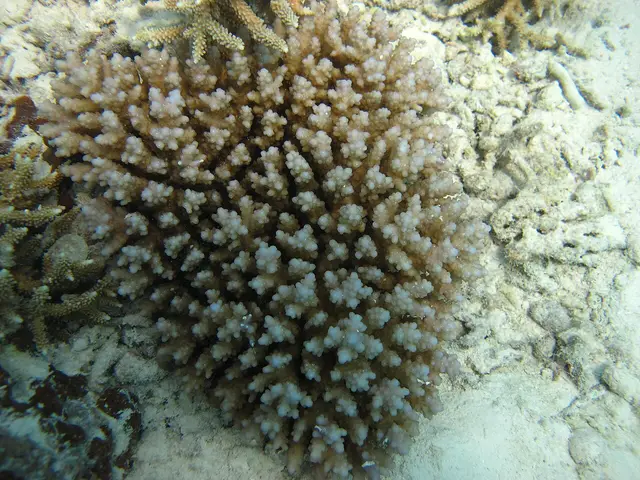 EN
Acropora squarrosa
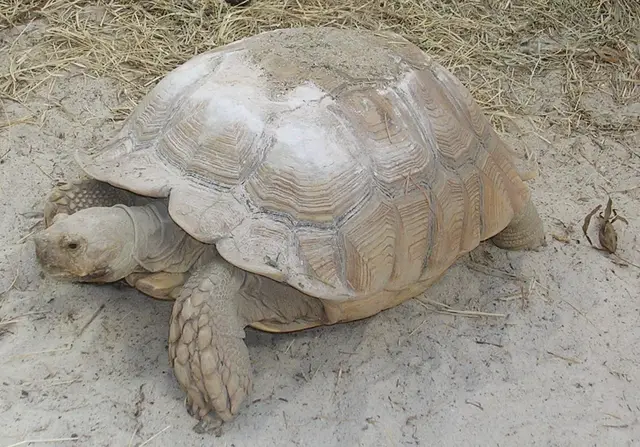 EN
African spurred tortoise
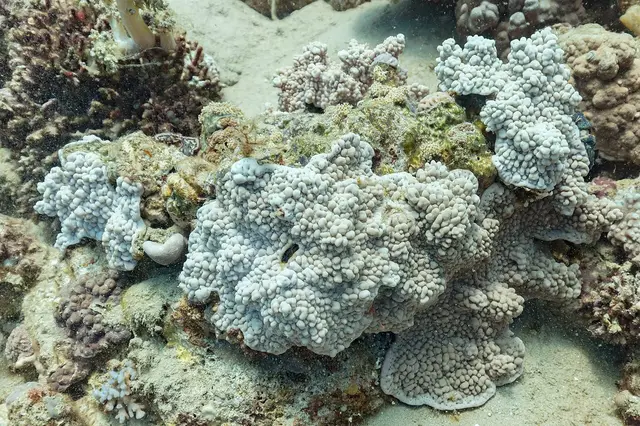 EN
Montipora cryptus
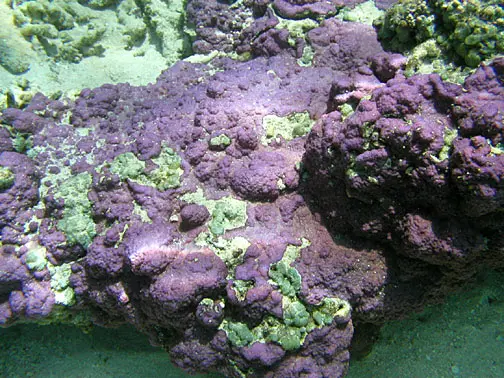 EN
Montipora efflorescens
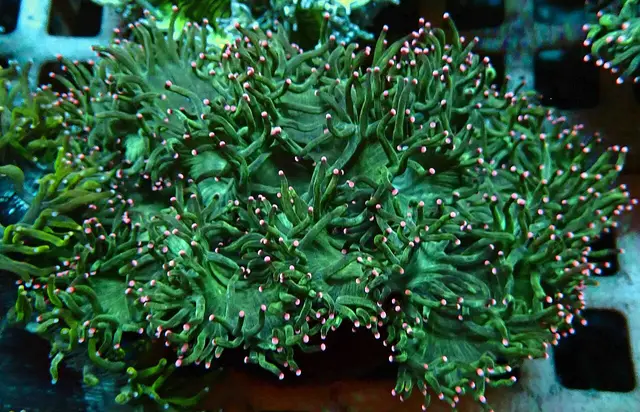 EN
Stylophora subseriata
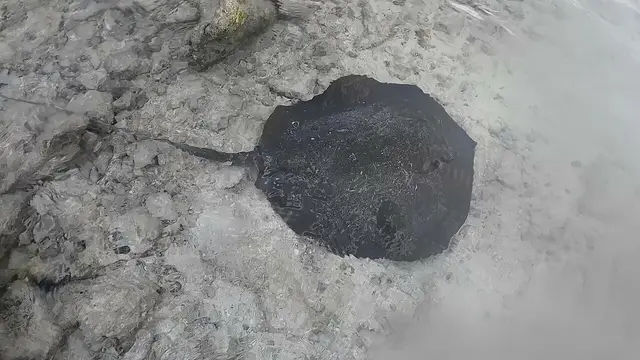 EN
Mangrove whipray
Total pins: 6.
Quick answers
- Do all these animals live only in Egypt?
- No. A pin means a Wikidata place field resolved here. Official ranges can be wider.
- Is this a government list?
- No. It is a slice of this catalog.