Federal rules
What November 2026 marine mammal salvage rules change
Updated 9 November 2026
The final rule, published by the National Marine Fisheries Service on 6 November 2026 as “Marine Mammal and Cetacean Salvage,” 91 FR 68742, replaces inconsistent procedures for handling dead or stranded marine mammals with a single system for federal agencies and authorised responders. The rule is made under the Marine Mammal Protection Act, 16 USC 1361 et seq, and its stated purpose is to reduce unnecessary delays, improve public reporting and preserve biological specimens for scientific and diagnostic use. It also sets controls for when parts or carcasses may be removed, transferred, disposed of or retained. Although the rule is new, the headline is not permission to collect wildlife casually: many actions remain restricted and some require a permit, inspection or approval from the National Marine Fisheries Service.
What does the November 2026 marine mammal salvage rule actually require?
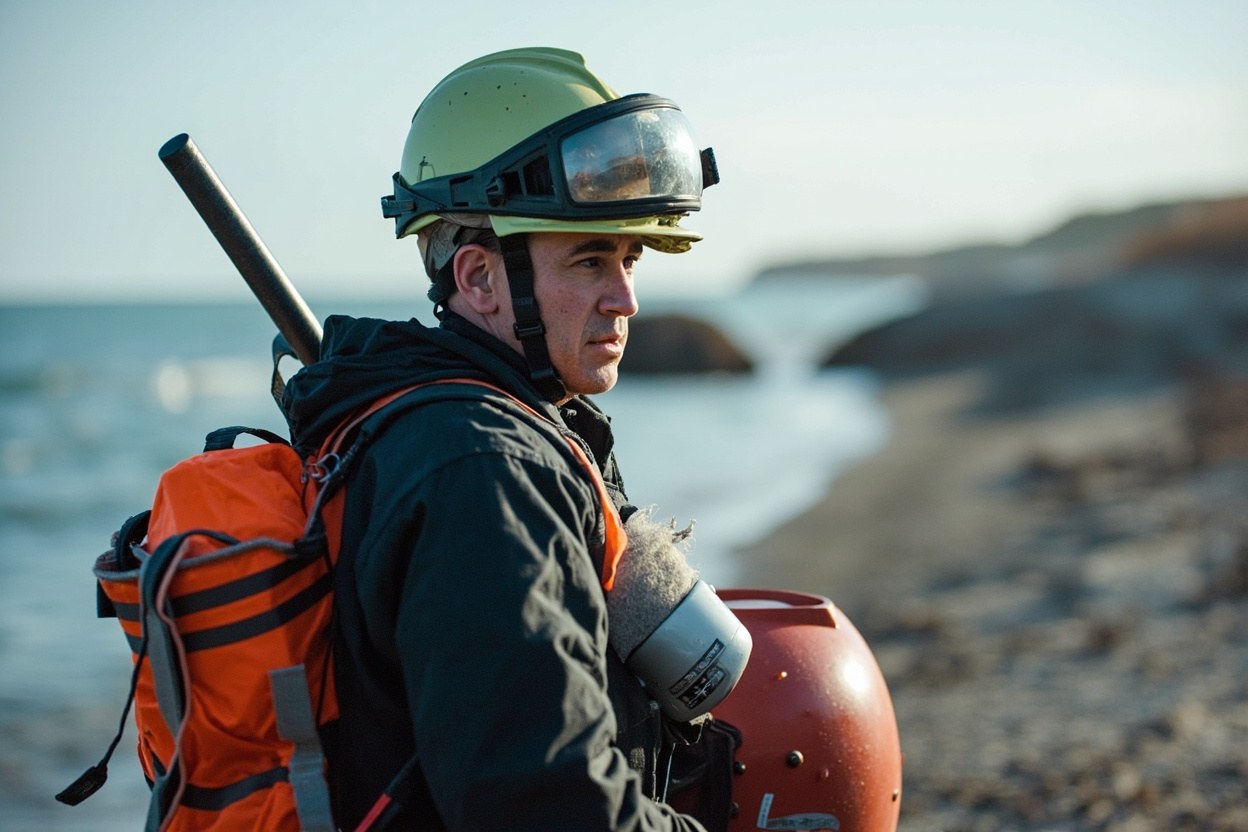
The final rule establishes a common process for federal wildlife response personnel and their authorised partners to document stranded, dead or otherwise recovered marine mammals and cetaceans. Under 91 FR 68742, an authorised responder must generally notify the National Marine Fisheries Service’s Marine Mammal Stranding Hotline and provide the animal’s location, condition and available identifying information. The notification supports deployment of response personnel and prevents duplicate attempts to handle the same animal.
Recovered animals must be documented so that cause of death or injury can be assessed where feasible. The rule distinguishes between animals found in condition requiring an immediate response and those for which a full necropsy, sample collection or specialised transport is unnecessary. It also provides for tagging and marking recovered carcasses where this is useful for subsequent investigation or monitoring.
Salvage is not simply the removal of a dead animal. It is the collection, retention or authorised disposal of a carcass or part of a carcass. The final rule identifies circumstances in which salvage may be necessary for public health, public safety, scientific research, disease diagnosis, law enforcement or preventing repeat attendance at a stranding. It directs agencies to use the least destructive option that still achieves the lawful purpose.
Where an animal or its parts are needed for research, the rule provides a framework for transfer or retention. Where there is no scientific, health or safety need, disposal must follow the required procedures rather than an informal practice such as burial, burning or dumping. Commercial uses of marine mammal products remain subject to separate statutory prohibitions and permits.
The instrument is a final rule issued under the Marine Mammal Protection Act. The lead document to name in any discussion is the National Marine Fisheries Service, Office of Protected Resources, with the Department of Commerce and NOAA as the issuing department. The responsible signatory is the agency’s authorised official under the rule’s delegation framework, rather than an elected officeholder.
Who can remove a stranded marine mammal under the new rule?
The rule does not turn every member of the public into a salvage contractor. Personnel acting for the National Marine Fisheries Service, the United States Fish and Wildlife Service, a state wildlife agency, a tribal wildlife agency, a local government or another authorised response organisation may handle marine mammals within their assigned responsibilities. The operator of a vessel or other facility must follow instructions from the authorised response lead where there is an active stranding response.
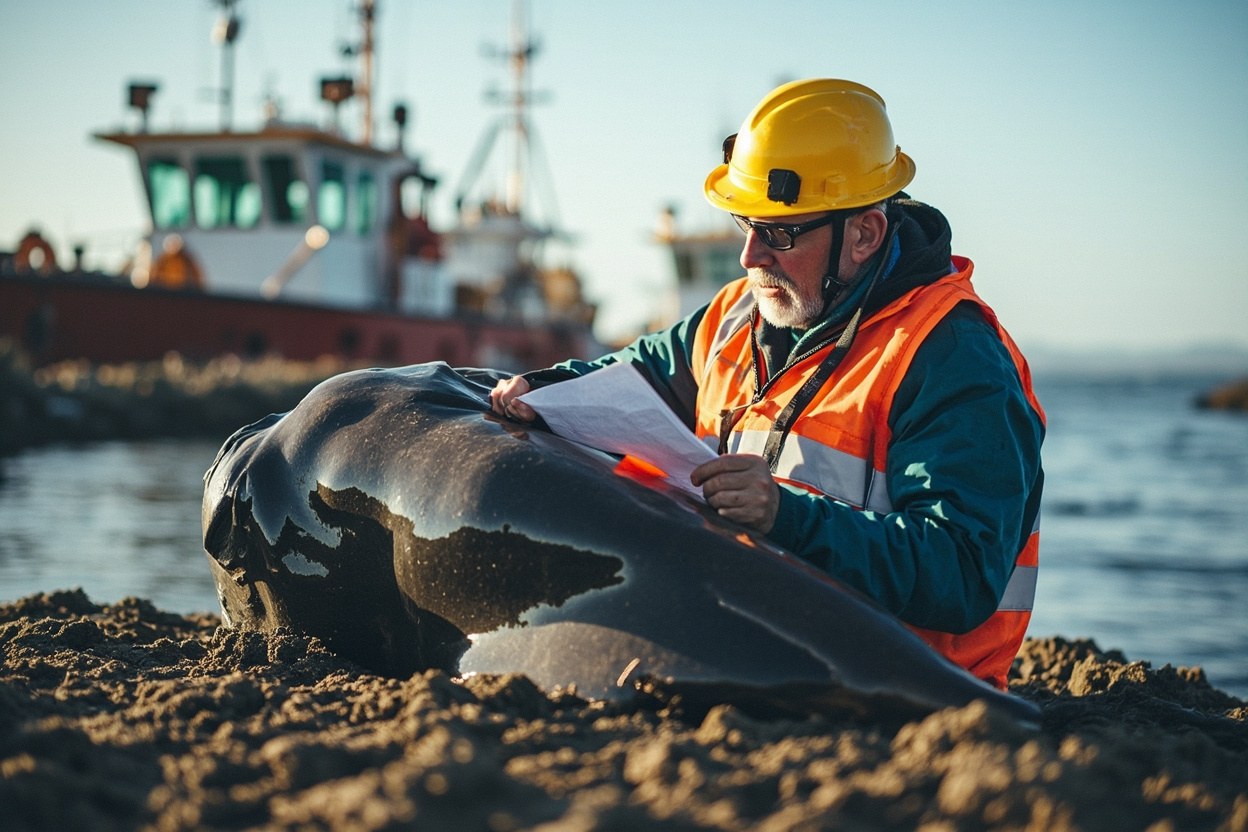
A person may photograph a stranded or dead marine mammal and report it, but the new rule does not create a general entitlement to touch, move, tag, sample or remove it. That matters because marine mammals are protected animals, and interference with a live stranded animal can worsen its condition or destroy evidence of what happened.
Private salvage contractors, veterinarians, universities and museums may participate where they hold the relevant approval, agreement or permit. The rule sets expectations for chain of custody, documentation and the transfer of specimens. It also provides a clearer route for returning a recovered animal to the water where it is alive, assessment shows that intervention is appropriate, and the response lead decides that release is safe.
Some species have additional statutory protection or special handling requirements. The Marine Mammal Protection Act generally applies to cetaceans, pinnipeds and the manatee, but agencies must also observe the Endangered Species Act and other applicable law where a species is listed. For example, a particular population of a listed species may be subject to additional restrictions on collection and handling.
The practical change is procedural clarity, not blanket permission. An authorised worker should be able to point to a national framework when deciding what to document, where to send samples and when removal is permitted. A member of the public who finds a dead dolphin, whale or seal should still report it and wait for instructions.
How does the rule change the treatment of dead whales and dolphins?
For large whales, the rule gives response leads a more consistent process for deciding whether a full necropsy is warranted, whether tissue samples should be taken and whether the carcass must be moved. A necropsy can reveal causes such as vessel strikes, entanglement, fishing gear trauma, disease, starvation or blunt force injury. Standardised recording and sampling can make those findings more useful when agencies compare incidents across a coastline.
It also recognises that complete removal of a very large whale may be impractical and may not be necessary. Partial processing or a controlled tow may be appropriate after the response lead has documented the location and assessed the need for samples and public safety. The rule’s key safeguards are that salvage must have an authorised purpose and that the decision to leave or remove material must be recorded rather than made informally at the shoreline.
For dolphins and other smaller cetaceans, the new procedures make it easier for authorised personnel to preserve a carcass for examination. That can matter when an animal dies close to a shipping lane, a fishery or a power plant, because rapid sampling may help identify a cause and guide prevention measures. The same framework addresses strandings involving pinnipeds and other protected marine mammals.
The rule does not itself determine whether a shipping company must change its practices, whether a fishery should be closed or whether a particular harbour needs a speed restriction. It creates the evidence and response layer used by the agencies that make those decisions. An investigation into a recurring pattern of strandings can use the documented cause of death, location and associated observations to support later risk management.
What are the reporting and public safety implications?
Reporting remains central. The public is expected to contact the National Marine Fisheries Service’s stranding hotline or an authorised local response agency when it sees a stranded, entangled, injured or dead marine mammal. Useful details include the species if known, the number of animals, the condition of the animal, the exact location and any signs of entanglement, injury or human activity. Reports should not involve approaching a live animal unless instructed.
Public safety is part of the reason the rule imposes order on salvage. Carcasses can present hazards from sharp tissue, unstable weights, contaminated water, disease or the presence of scavengers. An agency may need to close an area temporarily, request that people keep away or arrange a controlled removal. Those measures are not a ban on observing the animal, but they do justify clear instructions from the response lead.
The framework also supports better communication. When an animal is tagged, sampled or removed, the responsible organisation can record what happened and share information with the public where appropriate. That reduces the risk of conflicting accounts, helps establish a chain of custody and makes it possible to explain why a carcass was left in place, moved or processed.
Reporting a marine mammal does not automatically make the reporter its owner. The new rule works within the Marine Mammal Protection Act’s ownership and stewardship provisions and does not create a private property right in a stranded animal or its parts.
What still requires separate permits or approvals?
Several activities remain outside ordinary response work. A person who wants marine mammal parts for teaching, jewellery, food, bait, art or another commercial purpose cannot rely on the salvage rule as a general permission. Those activities may require a specific permit, and some uses are prohibited outright. The rule’s salvage provisions do not displace permit conditions established under the Marine Mammal Protection Act or the Endangered Species Act.
Research collection has its own requirements. Even where an organisation is helping with a response, collecting tissue for a study may require approval through a research permit or a written agreement. An emergency response can justify immediate action to protect an animal or investigate a serious incident, but routine sampling for a future project is a different matter.
Transport also needs authority. A vehicle carrying a carcass or specimen across a state line or onto a federal facility may need inspection, documentation or an approved destination. The purpose of the transfer must be clear, and the receiving agency or institution must be prepared to account for the material.
These limits are significant. They prevent a salvage decision during an emergency from becoming an indefinite supply of protected wildlife parts. They also preserve the distinction between collecting an animal for science and collecting it for private gain.
What should the public do if it finds a whale, dolphin, seal or manatee?
The safest course is to report the animal and do not touch or move it unless instructed. Keep people, pets and vessels away from a live animal, photograph the scene from a safe distance and note the location, number of animals and signs of injury. If the animal is entangled or in danger, provide that information when reporting it.
Do not use ropes, knives or improvised equipment to free an animal without direction. Poorly designed rescue attempts can cause further injury and may conflict with the management of a scientific necropsy or forensic investigation. If an animal is dead, leave the carcass in place where authorities can inspect it unless a responder tells you otherwise.
For a stranded marine mammal, the relevant contact is the National Marine Fisheries Service’s Marine Mammal Stranding Hotline for the area where the animal was found. NOAA also maintains regional stranding information and guidance. State wildlife agencies, coastal police, harbour authorities and designated response organisations may handle local reports, but the public should follow the instructions of the agency that assumes response leadership.
The November 2026 rule is best understood as a procedural standard for the people entrusted to manage these events. It aims to make responses faster, safer and more consistent while protecting animals, evidence and the public. It does not make marine mammal salvage a casual activity, and it does not remove the need to report strandings promptly.
Quick answers
- Can I collect a dead whale or dolphin I find on the beach?
- No. The November 2026 rule does not grant the public a general right to collect a marine mammal or its parts. Report it to the National Marine Fisheries Service or the local response agency and follow instructions from the authorised response lead.
- Does the rule allow stranded marine mammals to be released back into the sea?
- Yes, where an authorised response lead determines that release is appropriate and safe. The response must be managed under the Marine Mammal Protection Act and any additional requirements for the species or population.
- Can a marine mammal carcass be used for scientific research?
- It can be retained or transferred for research when the response framework permits it and the organisation has the necessary approval or permit. Scientific use remains subject to separate requirements and documentation.