Endangered
Trichodactylus crassus
Trichodactylus crassus
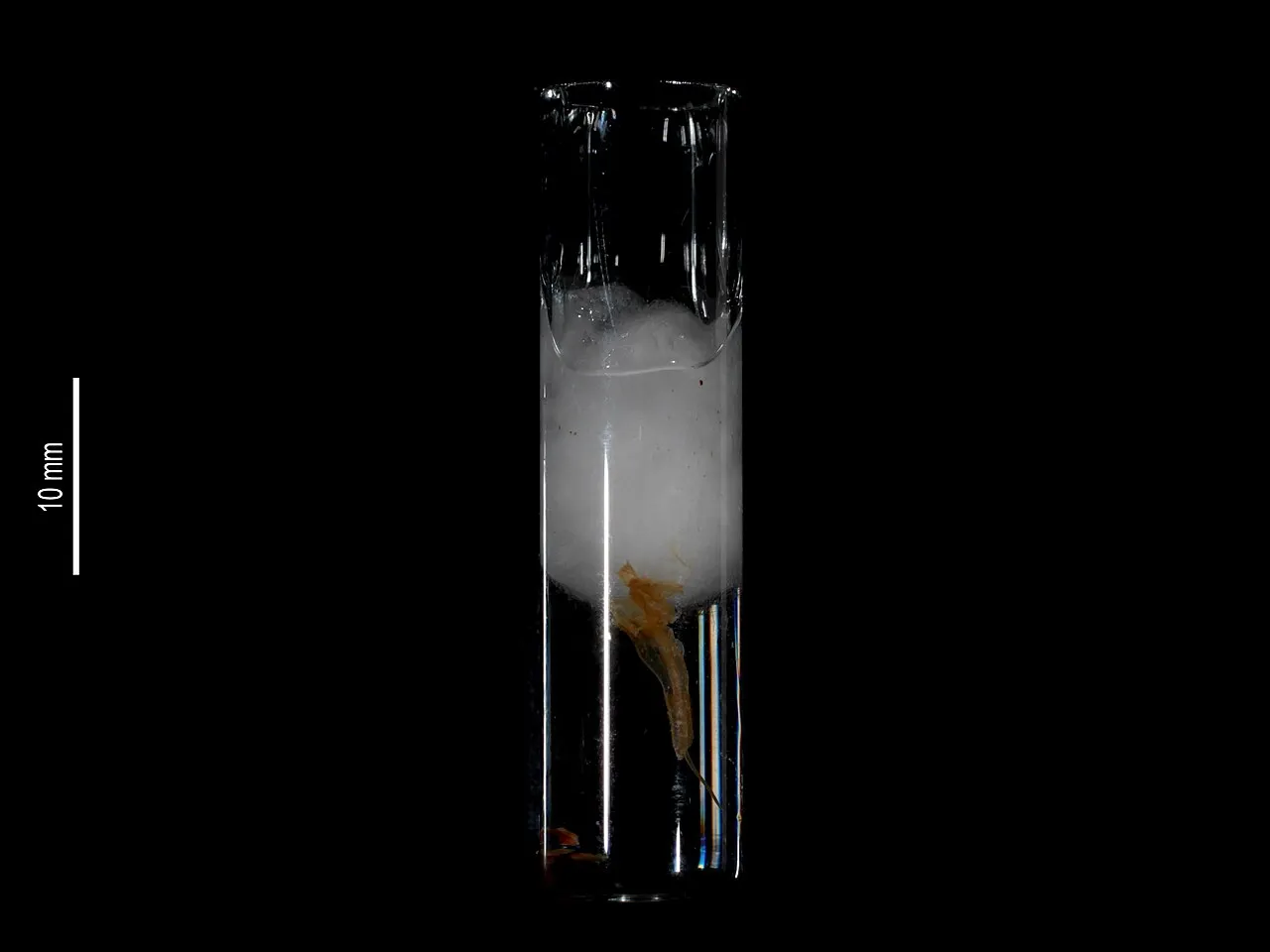
Trichodactylus crassus is a Brazilian freshwater crab of the family Trichodactylidae. The IUCN Red List assessed it as Endangered in 2008, citing a restricted range in streams of the Atlantic coastal states where urban and industrial development degrades its habitat. Little else is known about it.
What it is
It's a true freshwater crab, one of about 50 species in 15 genera that make up the family Trichodactylidae, a group found in Central and South America. A. Milne-Edwards described it in 1869, and it is still the accepted name.
A 2025 revision of the subfamily Trichodactylinae, by Souza-Carvalho and colleagues in Arthropod Systematics and Phylogeny, places it in Trichodactylus in the strict sense, alongside T. fluviatilis, T. dentatus and T. petropolitanus. That makes four species in the genus. The paper assigns large-sized species, up to about 50 mm carapace width, to the tribe that holds this genus, so the figure describes the group and not a measurement of T. crassus itself.
Where it lives
The Red List gives São Paulo, Bahia and Espírito Santo as its states, all in the Atlantic coastal belt of Brazil, and lists permanent and seasonal rivers and streams as its habitat.
The genus as a whole occurs in Atlantic coast river basins from Sergipe in the north-east to north-eastern Rio Grande do Sul in the south, plus the upper Paraná basin in São Paulo and Paraná. The Red List does not record the number of locations or the size of the range for this species.
Pins are Wikidata “endemic to” fields. Orange dots, when present, are GBIF occurrence tiles — survey bias included.
Why it is in trouble
The Red List ties its decline to housing and urban development and to commercial and industrial areas, which degrade the streams it depends on. The assessment lists the population trend as unknown, and no population size or number of locations is recorded.
That uncertainty is the main story with this crab. Its diet, breeding and behaviour are poorly documented, and its 2008 assessment is the only one on record.
What is being done
No conservation actions are recorded for the species in its Red List assessment. Recent taxonomic work on the group, including the 2025 revision, has settled which species belong in the genus, but no survey aimed at this species is recorded.
Sources
Written for this catalog in our own words from the sources below, checked against them on 12 November 2026. Population figures are estimates and carry the year they were made. Status and assessment year: IUCN. 2026. The IUCN Red List of Threatened Species. Version 2026-1. iucnredlist.org.




