Critically Endangered
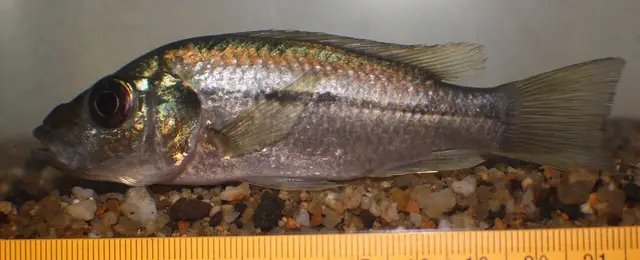
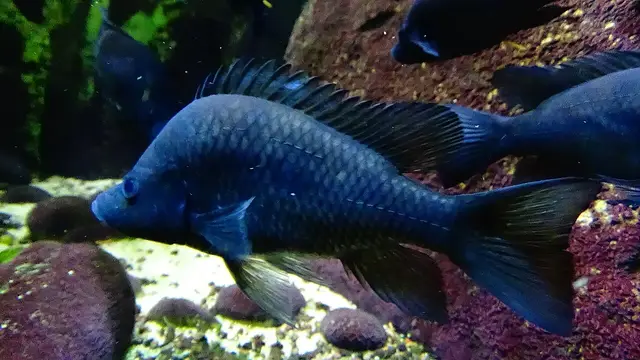
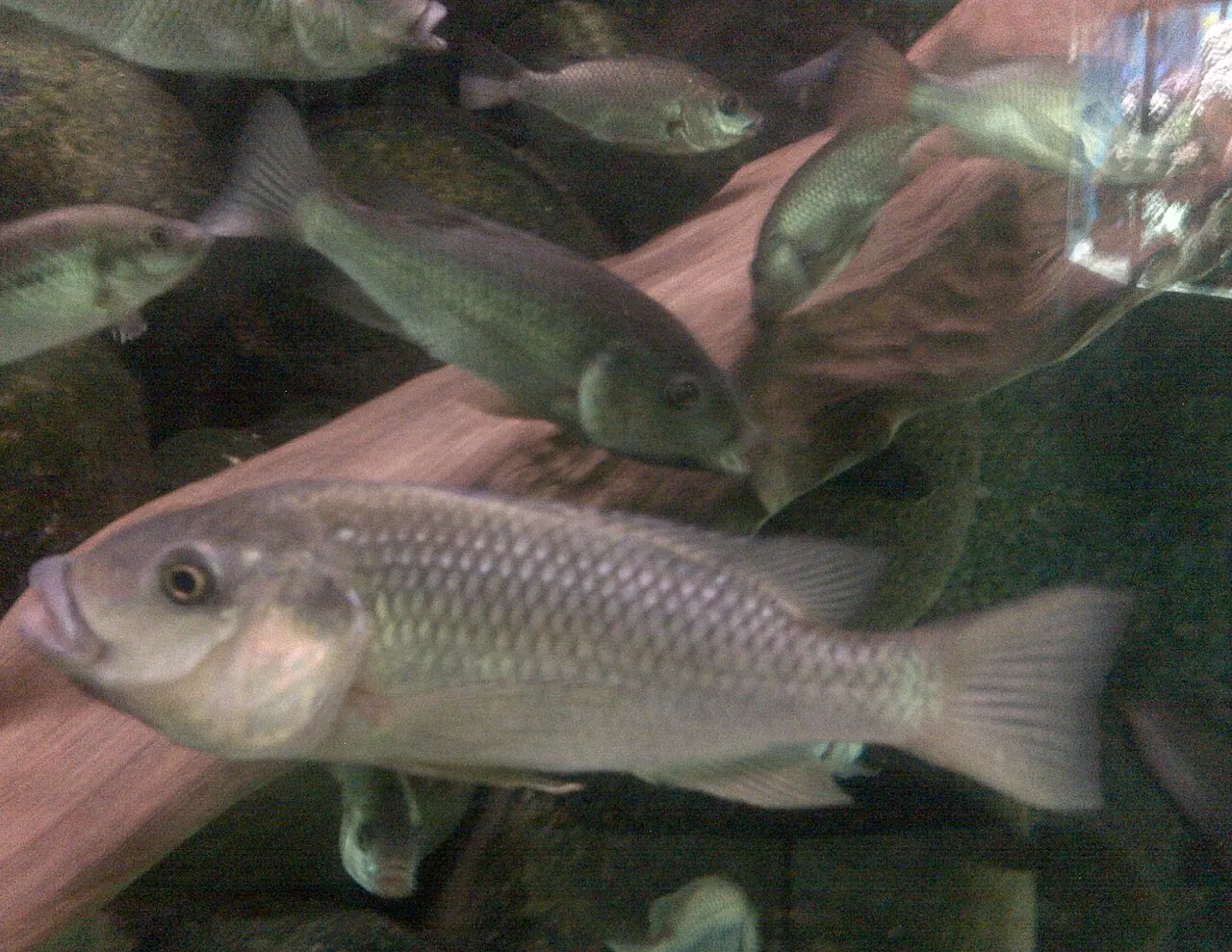
Stomatepia mongo
Stomatepia mongo
The mongo (Stomatepia mongo) is a cichlid fish found nowhere except Lake Barombi Mbo, a small volcanic crater lake in western Cameroon. The IUCN Red List rated it Critically Endangered in 2010. Even among the lake's rare endemic cichlids it is considered especially scarce and poorly known.
How to recognise it
It is a medium-sized cichlid that reportedly reaches about 17 cm standard length. Ethelwynn Trewavas described it in 1972.
It belongs to Stomatepia, a genus of three species, all restricted to this one lake and all rated Critically Endangered. The genus is generally treated as distinct but is very close to Sarotherodon, the group that includes many tilapias.
Where it lives
Lake Barombi Mbo lies near Kumba in Cameroon's Southwest Region. It is a crater lake about 2 km across and up to roughly 111 m deep, with a surface area given as 5 or 7 square kilometres depending on the source. It is one of the oldest radiocarbon-dated lakes in Africa.
The lake is strongly layered, with essentially no oxygen deeper than about 40 m, so fish stay in the upper water. Eleven cichlids are endemic to the lake, along with a catfish and a shrimp.
Pins are Wikidata “endemic to” fields. Orange dots, when present, are GBIF occurrence tiles — survey bias included.
How it lives
Little is known. Fish have been seen swimming near the bottom, apparently searching detritus or sand for small prey, and sometimes in small groups. The mongo is very rare even compared with the other cichlids that live only in this lake.
Why it is in trouble
Pollution and sediment washing in from human activity around the lake are the main threats named for the species. The whole population lives in one small lake, so any lasting damage to its water affects all of it.
Gas is a further concern. Crater lakes in Cameroon can release carbon dioxide from the bottom, as happened at Lake Nyos, but studies indicate Barombi Mbo does not hold excess amounts. Subsistence fishing has also cut cichlid numbers in the lake.
What is being done
The lake was designated a Ramsar wetland in October 2006, and commercial fishing there is forbidden. No programme aimed specifically at the mongo has been found.
Sources
Written for this catalog in our own words from the sources below, checked against them on 12 November 2026. Population figures are estimates and carry the year they were made. Status and assessment year: IUCN. 2026. The IUCN Red List of Threatened Species. Version 2026-1. iucnredlist.org.