Endangered
Renea gormonti
Renea gormonti
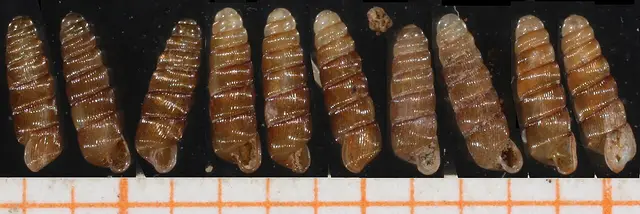
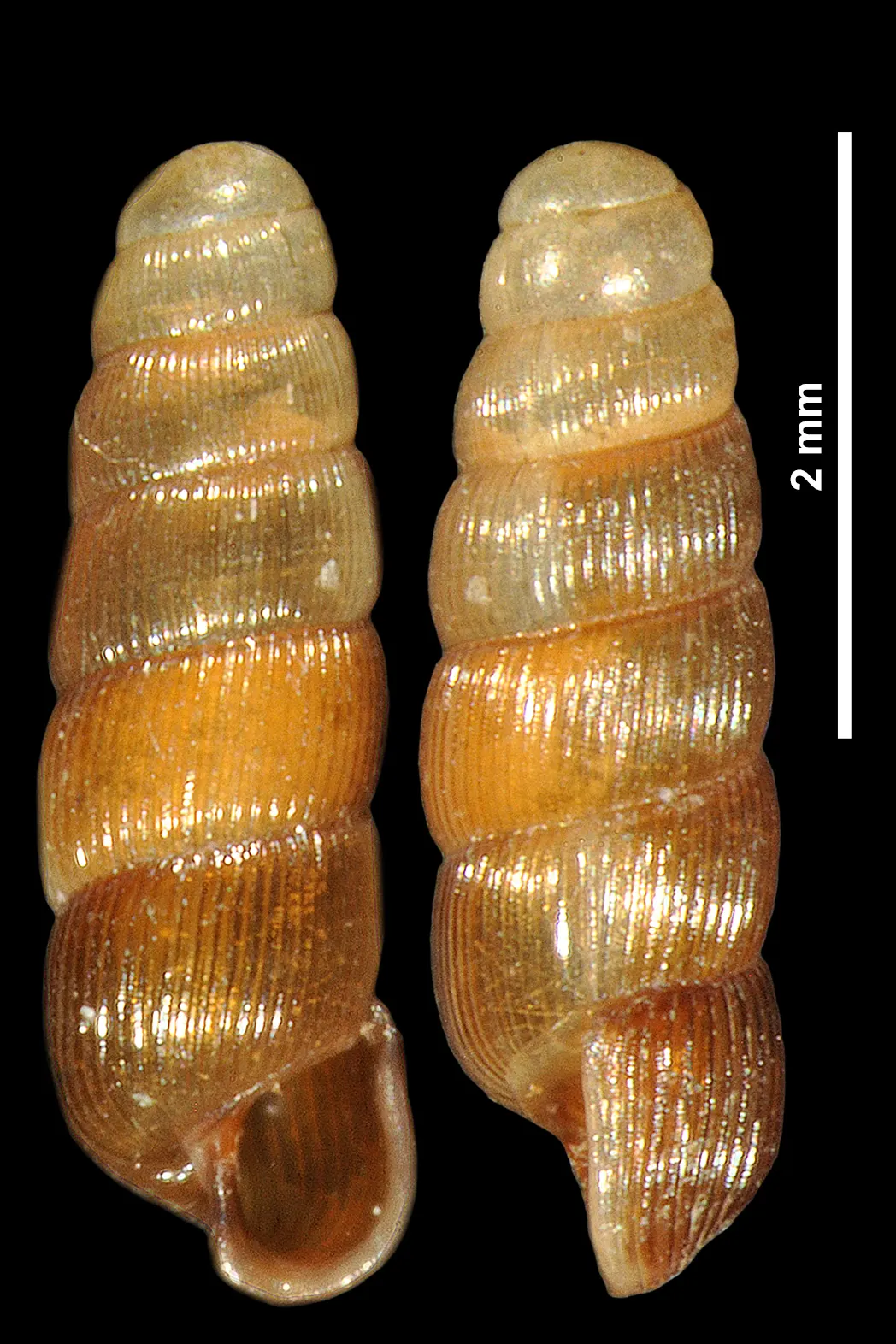
Renea gormonti is a tiny land snail with a hard operculum to close its shell, found only in France. Records come from forested hills behind Menton in the Alpes-Maritimes. The IUCN Red List classed it as Endangered in 2025, noting a small range, three known locations and ongoing pressure from building.
What it is
Renea gormonti belongs to the Aciculidae, a family of small terrestrial snails that carry an operculum, a hard plate that seals the shell opening. The species was described in 1989 by Boeters, Gittenberger and Subai.
The Red List assessment gives no size or life history data, and little else about its appearance or habits turned up in the sources used.
Where it lives
It is endemic to mainland France. Occurrence records held in GBIF, 26 in all and dated between 1999 and 2025, cluster in the Alpes-Maritimes close to the Italian border. Named places include the village of Gorbio and the Vallon de l'Ormea, with other records near Monti, north of Menton. Some museum specimens come from slopes with deciduous forest on limestone soil beside a brook.
The Red List counts three locations, calls the range restricted and lists temperate forest as its habitat.
Pins are Wikidata “endemic to” fields. Orange dots, when present, are GBIF occurrence tiles — survey bias included.
Why it is in trouble
The assessment, completed in January 2024 and published in 2025, lists housing and urban areas as an ongoing threat to the whole population. Roads and railways, commercial and industrial areas, recreational activities and other work activities are also named, though their scale is unknown.
It records continuing decline in the area the snail occupies. Whether the number of snails is falling is unknown, and the trend is listed as unknown.
What is being done
The assessment lists site protection and site management as conservation actions. It records the species as unknown for occurrence in a protected area and as not covered by international legislation or trade controls. Population size, distribution and trend research are among the listed priorities.
Research-grade observations posted to iNaturalist in 2010, 2020 and 2025 show the snail has been found in recent years.
Sources
Written for this catalog in our own words from the sources below, checked against them on 12 November 2026. Population figures are estimates and carry the year they were made. Status and assessment year: IUCN. 2026. The IUCN Red List of Threatened Species. Version 2026-1. iucnredlist.org.