Critically Endangered
Rancho Grande Harlequin Frog
Atelopus cruciger
The Rancho Grande harlequin frog (Atelopus cruciger) is a small, slender toad of Venezuela's coastal mountains. Once abundant, it vanished from most of its range in the late 1980s and was rediscovered in the early 2000s. The IUCN Red List rated it Critically Endangered in 2022.
How to recognise it
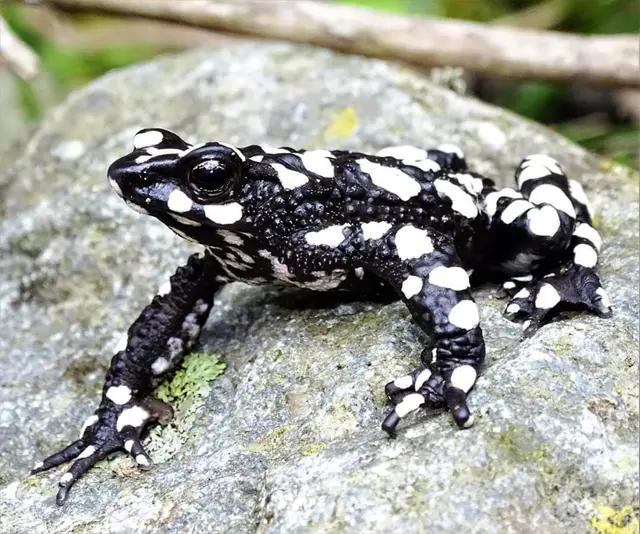
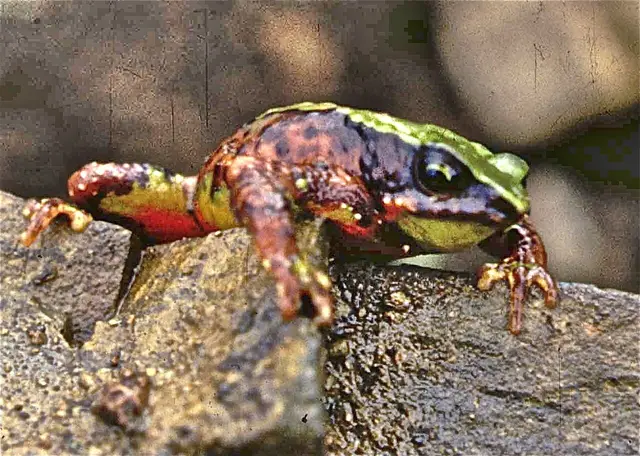
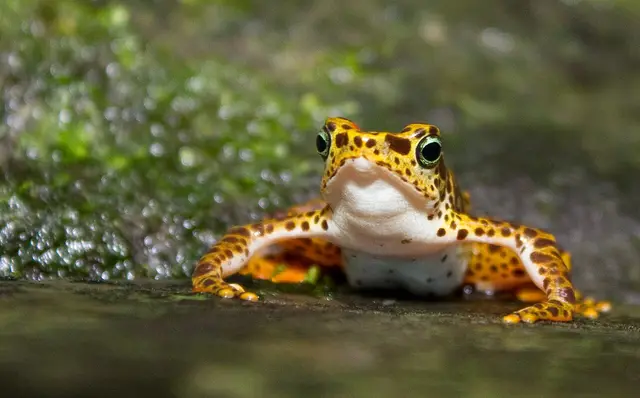
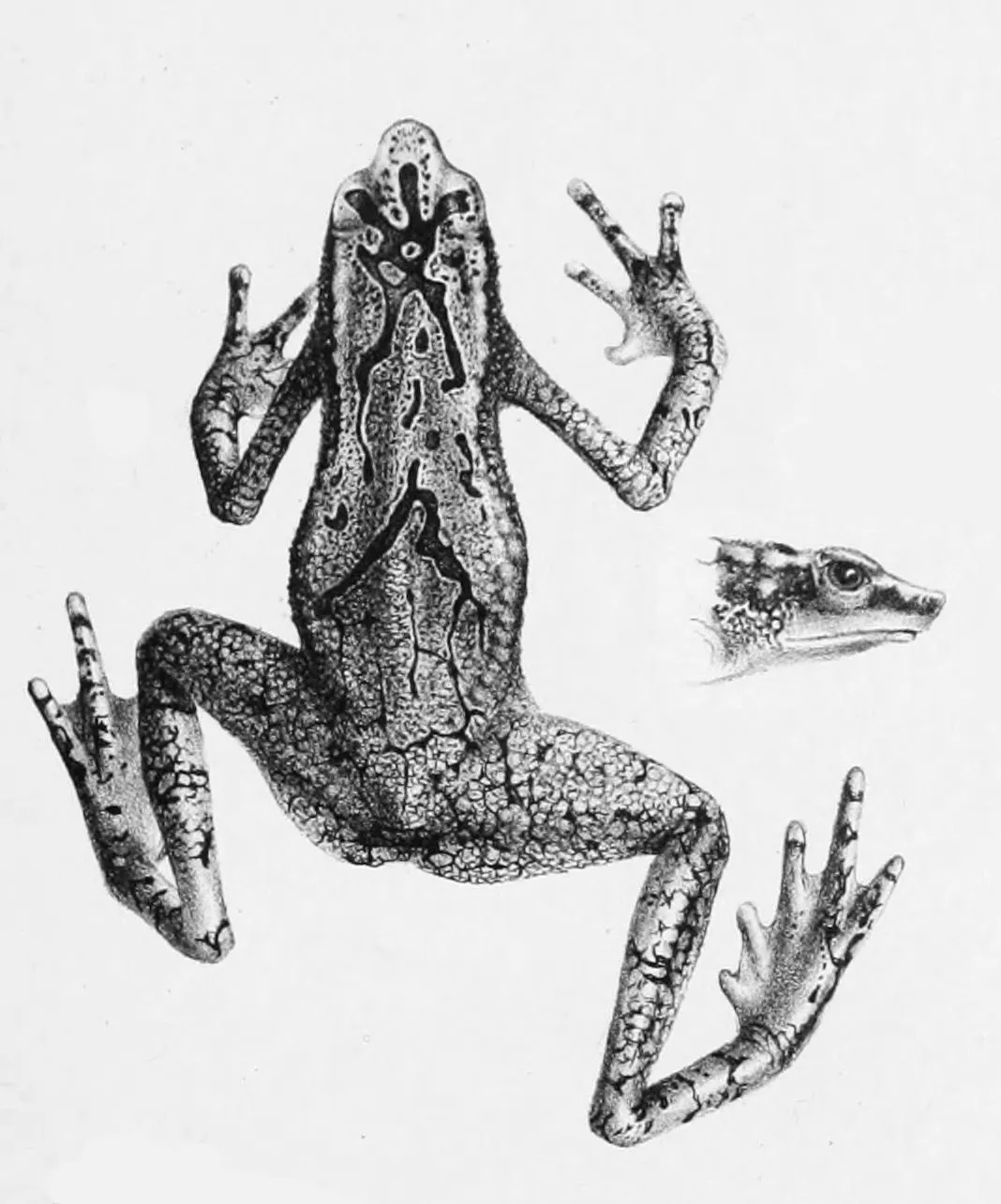
This is a slim toad with a pointed snout and no visible eardrum. Males measure about 28 to 35 millimeters, while females are larger at roughly 40 to 50 millimeters. Its color is greenish tan with brown markings and an X-shaped pattern behind the head.
It is active by day and lives mostly on the ground beside streams. Adults eat mainly ants and beetles, along with other small insects.
Where it lives
The species is endemic to Venezuela and belongs to the central Cordillera de La Costa. Museum collections hold 627 records from 33 localities, and a later tally counts 77 localities across the range. Records run from sea level to 2,400 meters, though most come from between 500 and 2,000 meters.
The survivors live in a very different setting. A survey in 2004 and 2005, published in the journal Oryx in 2008, searched 15 former sites for 246 person-hours and found two populations at 220 and 322 meters on the northern slope of Henri Pittier National Park, on the Cata and Cuyagua rivers. A third was reported in 2006 at Rio El Duro. A 2022 action plan puts the occupied area at about 8 square kilometers, on the lower river sections between roughly 100 and 320 meters.
Adults gather on sand and gravel beaches and rocks along clear forest streams, and breed in the dry season. Tadpoles live in flowing water.
Pins are Wikidata “endemic to” fields. Orange dots, when present, are GBIF occurrence tiles — survey bias included.
Why it is in trouble
Chytridiomycosis, a skin disease caused by the fungus Batrachochytrium dendrobatidis, is considered the major threat and is blamed for the late-1980s collapse. The species reportedly went unrecorded for 17 years after 1986.
The survivors seem to be coping with the fungus for now. In the Oryx survey, only 3 of 23 apparently healthy adults carried it, and at low levels, but one dying male at Rio Cata had a very heavy infection. The study warned that new outbreaks remain possible. Droughts could raise that risk, and growing recreational use of the park adds pressure.
The 2022 action plan by Lampo and Senaris estimates about 433 reproductive individuals, based on counts through 2014: roughly 77 at Cata and an average of 356 at Cuyagua. Numbers swung tenfold between 2010 and 2013, from 35 to 350 at one site. Monitoring stopped in 2015, though adults were seen again in 2016 to 2022, and the plan reports no evidence of drastic change.
What is being done
A Venezuelan rescue program started a captive facility called CRIA in October 2022, with a start-up grant from Amphibian Ark. It has two units, at the Leslie Pantin Zoo in Turmero and at FUDECI in Caracas. It began with 22 founder frogs from the Cuyagua subpopulation and was planned to produce up to 150 juveniles a year.
On 1 February 2023 staff found a string of fertilized eggs in a breeding tank, reported as the first successful captive breeding of the species. Early results were mixed, with low tadpole survival and spindly leg syndrome linked to calcium deficiency in a pilot study. The aim is a genetically varied backup colony and eventual release of juveniles into former low-elevation habitat that can serve as a warmer refuge. The first releases were planned for 2025.
Sources
Written for this catalog in our own words from the sources below, checked against them on 12 November 2026. Population figures are estimates and carry the year they were made. Status and assessment year: IUCN. 2026. The IUCN Red List of Threatened Species. Version 2026-1. iucnredlist.org.