Endangered
Aceh bulbul
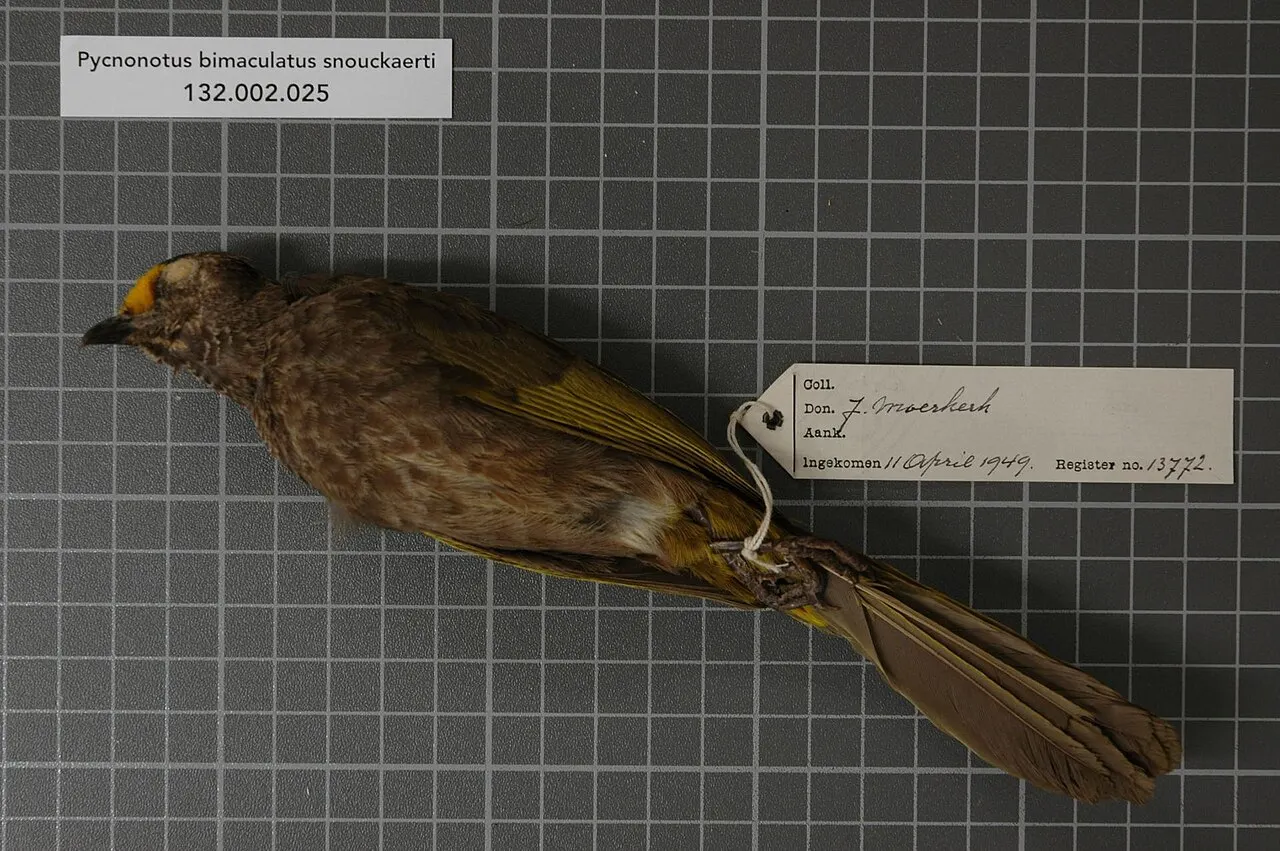
Pycnonotus snouckaerti
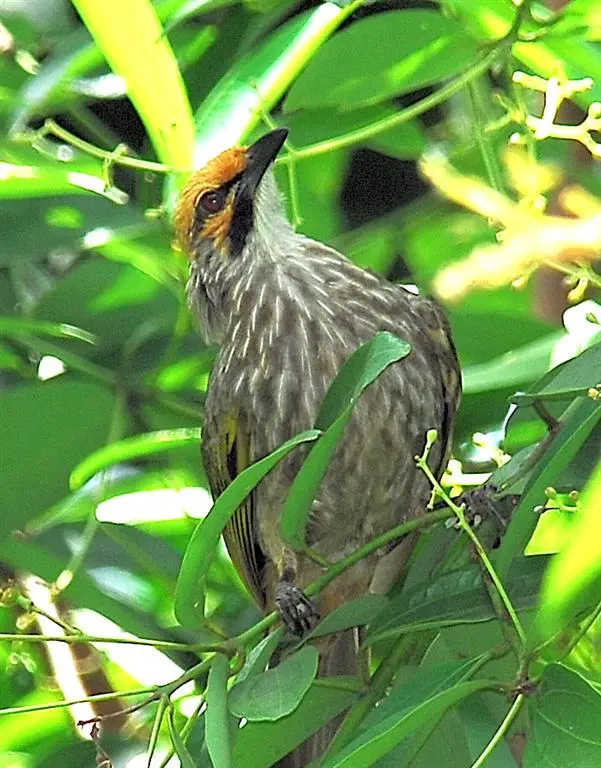
The Aceh bulbul (Pycnonotus snouckaerti) is a songbird found only in northern Sumatra, Indonesia. The IUCN Red List rated it Endangered in 2020, with a single small population of 250 to 999 mature birds that is still declining. Deliberate trapping is the listed threat.
A species or a subspecies?
It was long treated as a subspecies of the orange-spotted bulbul (Pycnonotus bimaculatus). Siebers described the Aceh form in 1928. The International Ornithological Committee split it off as a separate species in 2016, though most other authorities have not followed the split.
Where it lives
It is endemic to the northwest of Sumatra, in Aceh province. The IUCN estimates its range at about 16,300 sq km, spread over two to five locations, and treats all the birds as one subpopulation. It has been recorded in montane moist forest, lowland moist forest, shrubland and heavily degraded former forest, and also on arable land, so it is not restricted to untouched woods.
The IUCN gives a generation length of 3.5 years and says the bird does not migrate.
Pins are Wikidata “endemic to” fields. Orange dots, when present, are GBIF occurrence tiles — survey bias included.
Why it is in trouble
The IUCN names trapping as the threat, with the species itself the target, and estimates a population reduction of 11 to 20 percent from exploitation. Nobody has measured the size of the harvest.
A 2018 to 2019 survey of Indonesian bird markets, published by Leupen and Gomez in BirdingASIA in 2019, counted 1,751 orange-spotted bulbuls in 18 of 19 markets across 11 locations. It found only four Aceh bulbuls, in the town of Takengon in Aceh, the only confirmed trade record for the species. Leupen and Gomez suggest few turned up because the bird is genuinely scarce, but that it is probably very vulnerable to exploitation. Neither species is protected under Indonesia's main wildlife laws.
What is being done
The IUCN records that the species occurs in at least one protected area, and that conservation sites have been identified across its whole range. At the time of the assessment there was no recovery plan, no systematic monitoring scheme, no captive population, no recent education programme and no international trade control.
Sources
Written for this catalog in our own words from the sources below, checked against them on 12 November 2026. Population figures are estimates and carry the year they were made. Status and assessment year: IUCN. 2026. The IUCN Red List of Threatened Species. Version 2026-1. iucnredlist.org.