Endangered
Probarbus labeamajor
Probarbus labeamajor
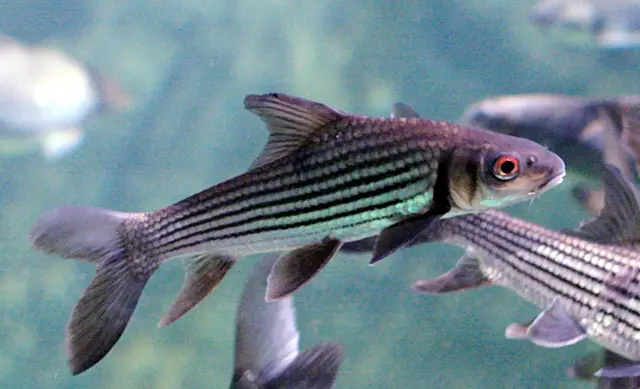
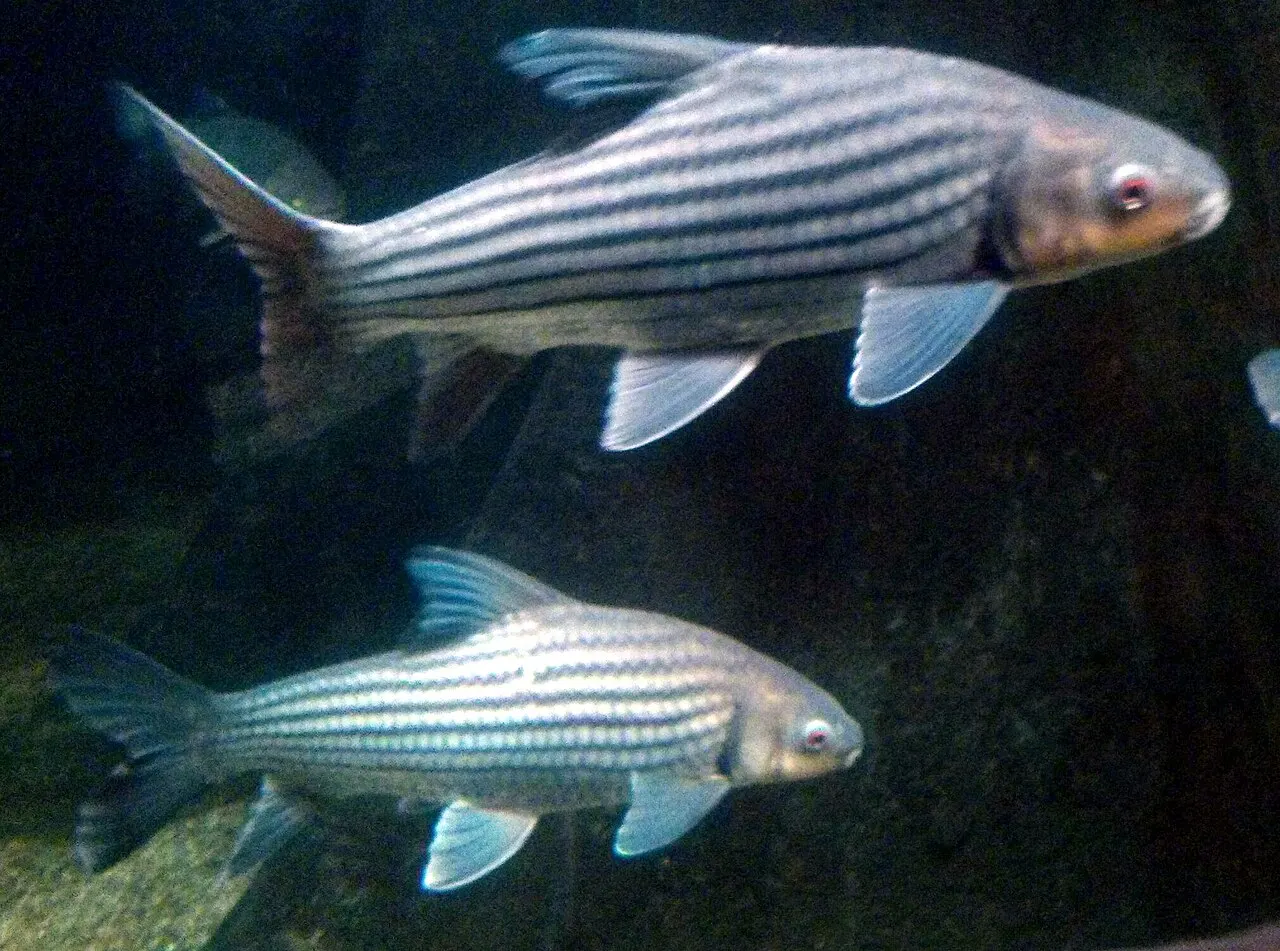
The thicklip barb (Probarbus labeamajor) is a very large carp relative that lives in the Mekong River and its big tributaries in Laos, Cambodia and Thailand. The IUCN Red List classes it as Endangered (assessed 2011), after fishing and dams cut its numbers.
How to recognise it
It is one of the giants of the Mekong. FishBase gives a maximum length of about 150 cm and a maximum published weight of 70 kg (the species was long confused with a relative, so these maxima may be uncertain). It belongs to the carp family and shares its genus with two close relatives, Probarbus jullieni and Probarbus labeaminor.
Distinguishing features include six stripes above the lateral line (the other two Probarbus species have five), greatly enlarged lips and reduced or sometimes missing barbels.
The species was formally described in 1992, and for a long time it was confused with P. jullieni, so little is known about it compared with many other big Mekong fish. Fishers at many sites tell the two apart by different local names.
Where it lives
It is found only in the Mekong. The Red List records it as native to Laos, Cambodia and Thailand, living in the main river and large tributaries, in permanent rivers and large freshwater lakes.
Pins are Wikidata “endemic to” fields. Orange dots, when present, are GBIF occurrence tiles — survey bias included.
How it lives
The thicklip barb is a long distance migrant. It swims upstream to spawn and is reported to travel with P. jullieni. A Mekong River Commission survey recorded upstream spawning runs from October to February, between Kompong Cham in Cambodia and Chiang Khong in Thailand. Above the Khone Falls the main spawning period is January to February, sometimes running into March and April.
It feeds on animals living on the river bed and on insect larvae. Whether it shares spawning grounds and timing with P. jullieni is still unknown. FishBase also rates its resilience as very low, with a population doubling time of more than 14 years.
Why it is in trouble
The 2011 assessment, under criterion A2abcd, records a past population decline of about 50 percent, with a generation length of about 10 years. The population trend is listed as decreasing. Fishing is the main cause: large scale and small scale harvest, both targeted and accidental, is named. Dams are listed too, with large dams recorded as a future threat.
One heavily fished spot in southern Laos, above the Lee Pee waterfalls, is reported to have lost much of its population to an intensive gillnet fishery aimed at the related P. jullieni.
What is being done
The assessment lists research on population trends, harvest levels, habitat and threats as priorities, but records no conservation actions as in place. P. jullieni is in CITES Appendix I, whereas the thicklip barb has not been evaluated for CITES.
Sources
Written for this catalog in our own words from the sources below, checked against them on 12 November 2026. Population figures are estimates and carry the year they were made. Status and assessment year: IUCN. 2026. The IUCN Red List of Threatened Species. Version 2026-1. iucnredlist.org.