Critically Endangered
Potamopyrgus acus
Potamopyrgus acus
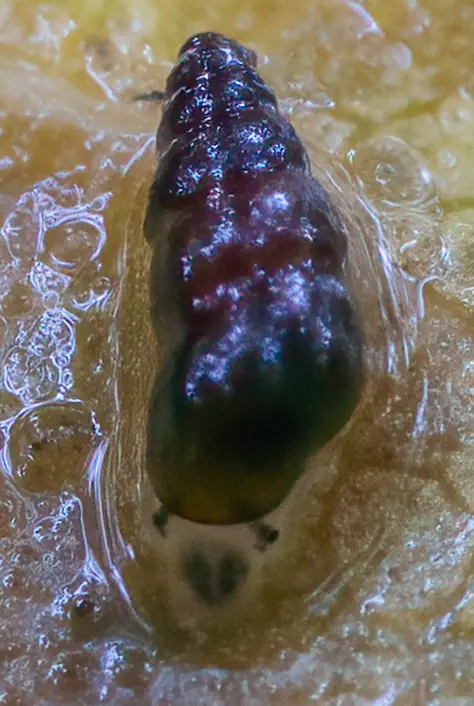
Potamopyrgus acus is a tiny freshwater snail known from a single wet gully in the Waikato region of New Zealand's North Island. The IUCN Red List rated it Critically Endangered in 2013 and flags it as possibly extinct. Nobody has recorded a live one since 1981.
How to recognise it
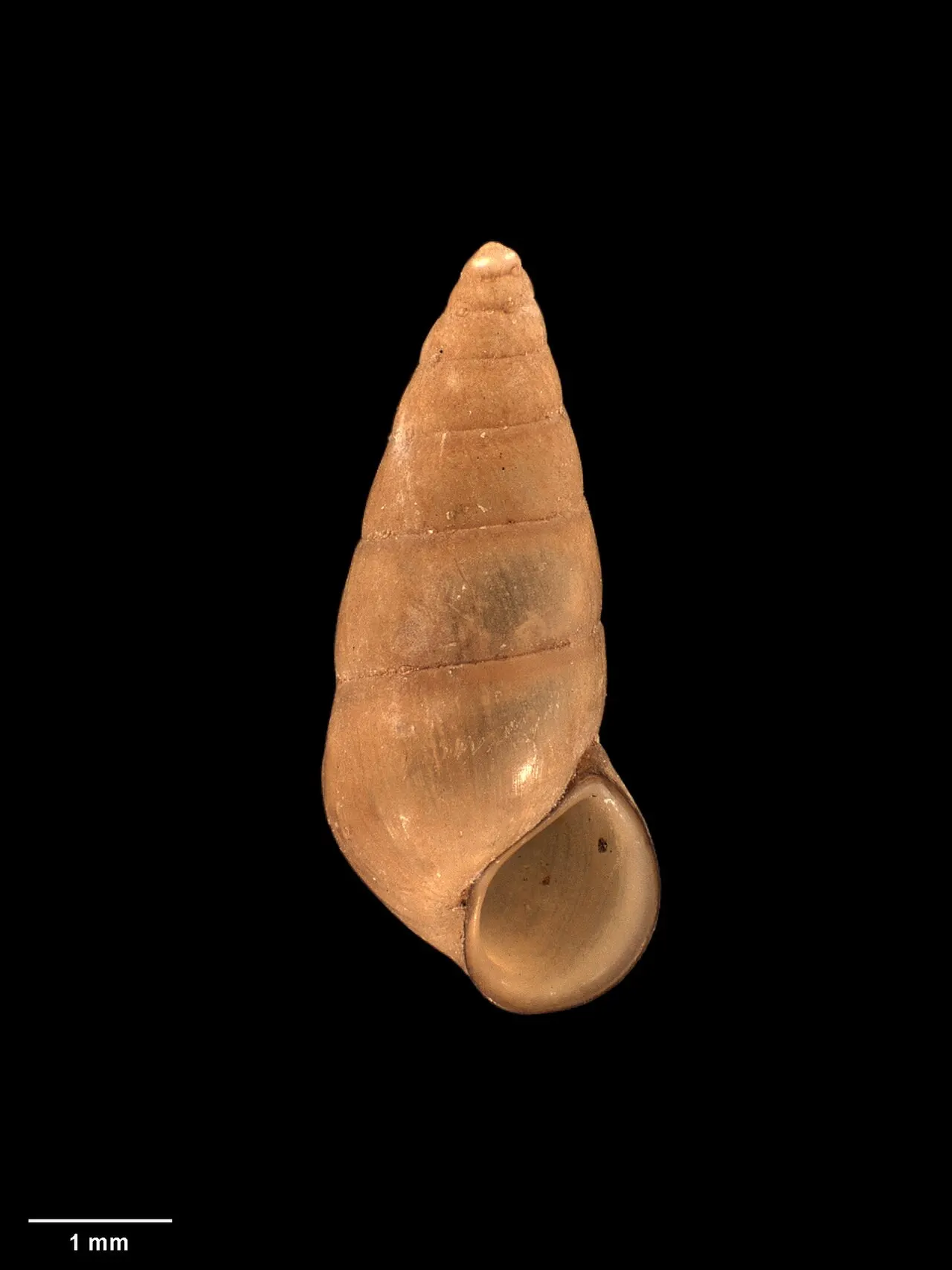
This is a small spiral-shelled freshwater snail in the family Tateidae. The type specimen stands about 8.6 mm high. Martin Haase described it as a new species in 2008, in a revision of New Zealand's hydrobiid snails that used shell shape and mitochondrial DNA.
Where it lives
Every known record comes from one place: a gully at Limestone Downs Station, south of Port Waikato. The snail was found in litter on rocks in a wet gully, on a very small, steep limestone bank. The type specimens were collected there, and the holotype, gathered on 13 February 1981, is held at Te Papa in Wellington.
The IUCN assessment counts one location and gives an area of occupancy of 4, the Red List's standard minimum grid cell (in square kilometres). New Zealand's Department of Conservation classed the snail as Nationally Critical in 2018, and the occupied area is reportedly under one hectare.
Pins are Wikidata “endemic to” fields. Orange dots, when present, are GBIF occurrence tiles — survey bias included.
Why it is in trouble
With a single known site, one bad event could end the species. The Red List lists the population as decreasing and records an ongoing livestock-farming threat across the whole range, with its scale unrecorded. The area has been cleared for agriculture, and the limestone bank is reportedly at risk from cattle.
Several surveys in 2002 and 2003 turned up no further snails. The Red List assessment therefore carries a possibly extinct flag, and one extinction database lists the snail as missing, with 1981 as the last record.
What is being done
The Red List assessment records site and area protection as a conservation action and calls for research on population size, distribution and trends. No breeding programme or other recovery work is recorded. Whether any snails survive is still an open question, and the research the IUCN asks for would start with fresh searches of the gully.
Sources
Written for this catalog in our own words from the sources below, checked against them on 12 November 2026. Population figures are estimates and carry the year they were made. Status and assessment year: IUCN. 2026. The IUCN Red List of Threatened Species. Version 2026-1. iucnredlist.org.