Critically Endangered
Emilia Mountain Grasshopper
Podisma emiliae
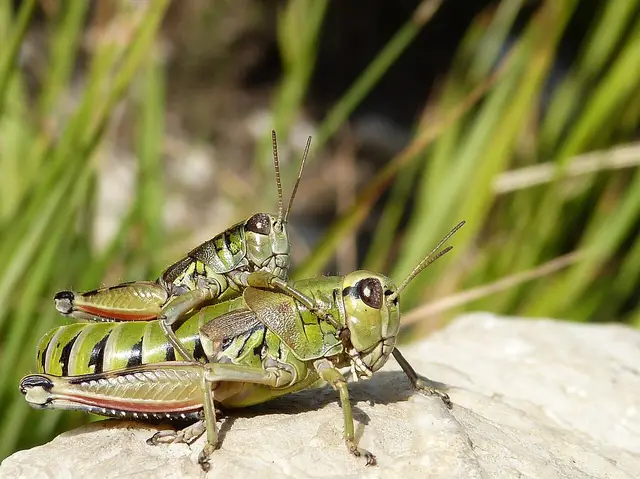
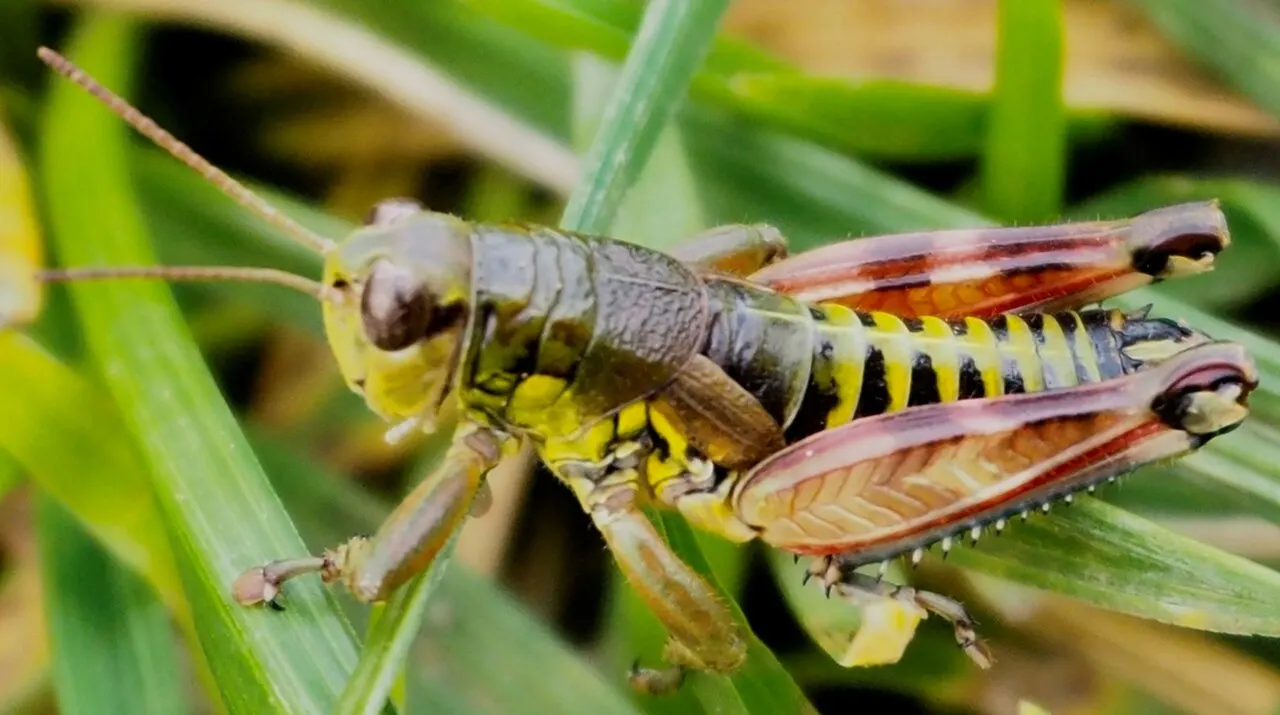
The Emilia mountain grasshopper (Podisma emiliae) is a flightless grasshopper found only on high meadows in the northern Apennines of Italy. The IUCN Red List rated it Critically Endangered in 2016. Known from four locations, it is threatened by tourism, grazing and a changing climate.
Where it fits
It belongs to the family Acrididae, the short-horned grasshoppers, and to Podisma, a genus of mountain grasshoppers. Wilhelm Ramme described it in 1926. The original female specimen, the holotype, came from the Val di Gorgo in the Modena Apennines, in Italy's Emilia region, and is kept at the Museum für Naturkunde in Berlin.
The IUCN notes that it is flightless. Published accounts say little else about its size or colour, so none is given here.
Pins are Wikidata “endemic to” fields. Orange dots, when present, are GBIF occurrence tiles — survey bias included.
Where it lives
This is an endemic of the northern Apennines, in the Tuscan-Emilian range, and is found nowhere else. The IUCN assessment counts four locations, an extent of occurrence of about 50 square kilometres and an altitude range of 1,300 to 1,700 m. It lists temperate grassland as the habitat, and says adults are found from summer to autumn.
A 2013 survey of the Corno alle Scale regional park describes it as a species of summit grasslands and stony ground with sparse vegetation, up to about 1,800 m. Surveyors found a few insects at Rifugio Cavone (1,400 m) in August 2006 and July 2010, and at Baita del Sole (1,500 m) in July 2010, two to five at a time. Older records come from the Corno alle Scale ridge, the Croce Arcana pass and the Lago Scaffaiolo area.
A product of the ice ages
Italian entomologists class it as a neoendemic, a species that evolved in the Apennines from ancestors that arrived during the Pleistocene glaciations. The park survey names it as one of four Apennine endemics among the 30 species of grasshoppers, crickets and mantises known there, alongside Pholidoptera aptera goidanichi, Stenobothrus apenninus and Metrioptera caprai galvagnii.
Its whole range is a few mountain tops. The IUCN describes the groups as very low in density, small and isolated, which counts as severely fragmented.
Why it is in trouble
The IUCN classes it Critically Endangered under criterion B1ab(iii,v), meaning a very small range, few locations and a continuing decline in habitat quality and in numbers. The population trend is decreasing.
The assessment names skiing and trekking, intensified cattle grazing, and temperature extremes with habitat shifts as the threats. Each acts on a small area of mountain meadow that the species cannot easily leave, because it cannot fly.
What is being done
The assessment lists habitat restoration and site management as the relevant conservation actions, and calls for research into the population trend, ecology and threats. Part of its range lies within Corno alle Scale Regional Park, where the recent records were made. The assessment records no recovery plan and no systematic monitoring scheme for the species.
Sources
Written for this catalog in our own words from the sources below, checked against them on 12 November 2026. Population figures are estimates and carry the year they were made. Status and assessment year: IUCN. 2026. The IUCN Red List of Threatened Species. Version 2026-1. iucnredlist.org.