Endangered
Masobe gecko
Masobe gecko
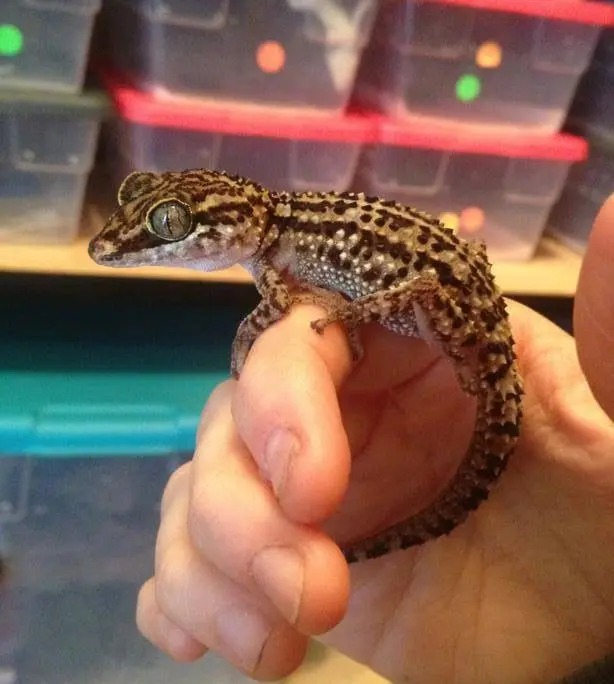
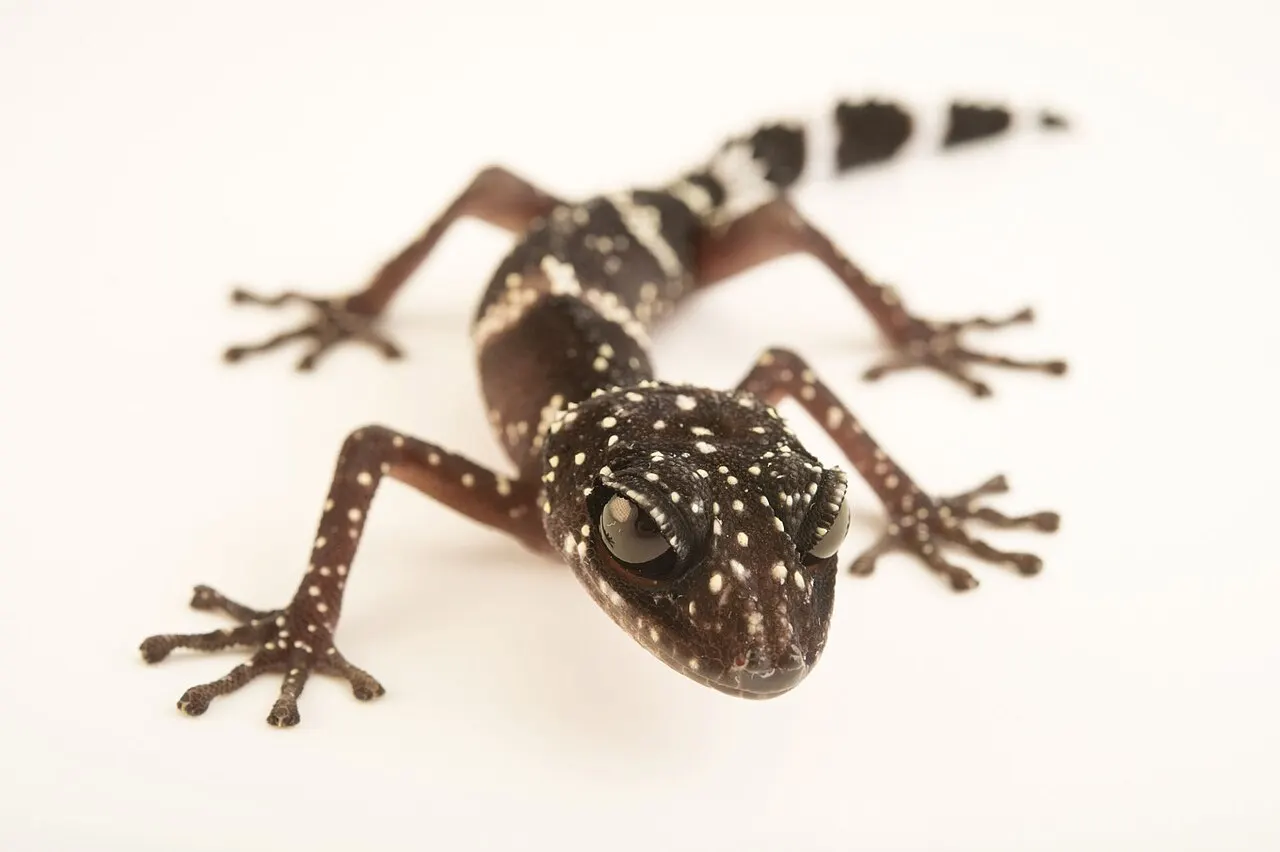
The masobe gecko is a dark, white-speckled, big-eyed gecko from the lowland rainforests of eastern Madagascar. It reaches about 17 cm and was assessed as Endangered by the IUCN in 2020 because its forest home is fragmented and shrinking, and it has also been targeted by the pet trade.
How to recognise it
Masobe gecko is reportedly a dark gecko dotted with white speckles, with large eyes. Adults grow to about 17 cm in total length.
The scientific name comes from Malagasy words for eye (maso) and big (be), which suits it. Nussbaum and Raxworthy described the species in 1994 as a new rainforest gecko. German and English names for it refer to its large head or eyes.
Where it lives
It is found only in Madagascar, in humid lowland forest at about 300 to 600 m. Known sites are in the north of the Zahamena-Ankeniheny Corridor, in Zahamena, in Betampona Strict Nature Reserve, and in disturbed forest at Betaikankana, a more recent record.
The IUCN puts its extent of occurrence at 410 square kilometres, but because suitable habitat between the known sites is scarce, the true area is probably below 100. It counts two locations and describes the population as severely fragmented. The species is rarely encountered and difficult to find.
Pins are Wikidata “endemic to” fields. Orange dots, when present, are GBIF occurrence tiles — survey bias included.
How it lives
It lives in primary forest, where it is active on vegetation and leaves one to four metres above the ground. It cannot survive on agricultural land and may disappear from even lightly degraded forest.
What it eats in the wild has not been studied. In captivity it is reportedly fed crickets, cockroaches, land snails and woodlice. Females lay pairs of hard-shelled, nearly round eggs about 18 mm across, which reportedly take around six months to hatch.
Why it is in trouble
The IUCN names conversion of lowland forest into farmland, including shifting agriculture, and timber extraction, including rosewood, as the main threats. Gathering honey and other forest resources may also degrade the forest beyond what the gecko can tolerate.
The pet trade adds to the pressure. The IUCN reports active exploitation, including legal exports under a small quota and illegal collection inside Betampona and Zahamena. Exports from Madagascar between 2010 and 2015 are reported at 2 to 505 animals a year.
The 2020 assessment records a decreasing population and a continuing decline in habitat area and quality. It qualifies as Endangered under B1ab(iii), which covers a small range, few locations and declining habitat quality.
What is being done
The species was reportedly listed on CITES Appendix II, following a proposal made in 2016, to control international trade. The known sites lie inside protected areas, the new Zahamena-Ankeniheny protected area and Betampona, though the IUCN says little is known about the gecko's distribution within them.
The Red List records no systematic monitoring scheme and no recovery plan. It calls for monitoring of trade, strict protection of habitat and more research on population trends. If its true range proves to be below 100 square kilometres, it would qualify as Critically Endangered.
Sources
Written for this catalog in our own words from the sources below, checked against them on 12 November 2026. Population figures are estimates and carry the year they were made. Status and assessment year: IUCN. 2026. The IUCN Red List of Threatened Species. Version 2026-1. iucnredlist.org.