Critically Endangered
Parathelphusa reticulata
Parathelphusa reticulata
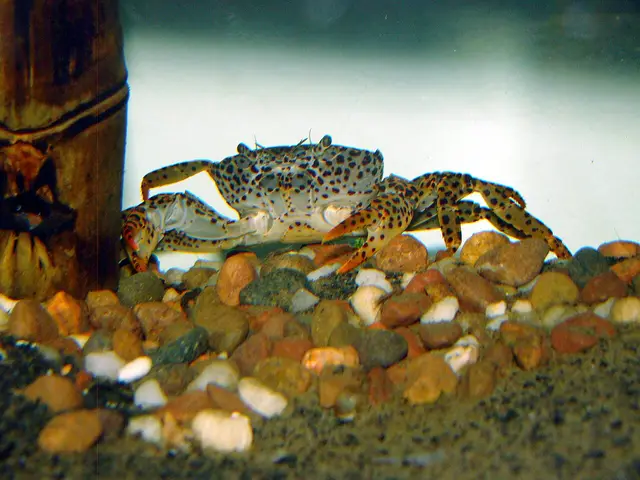
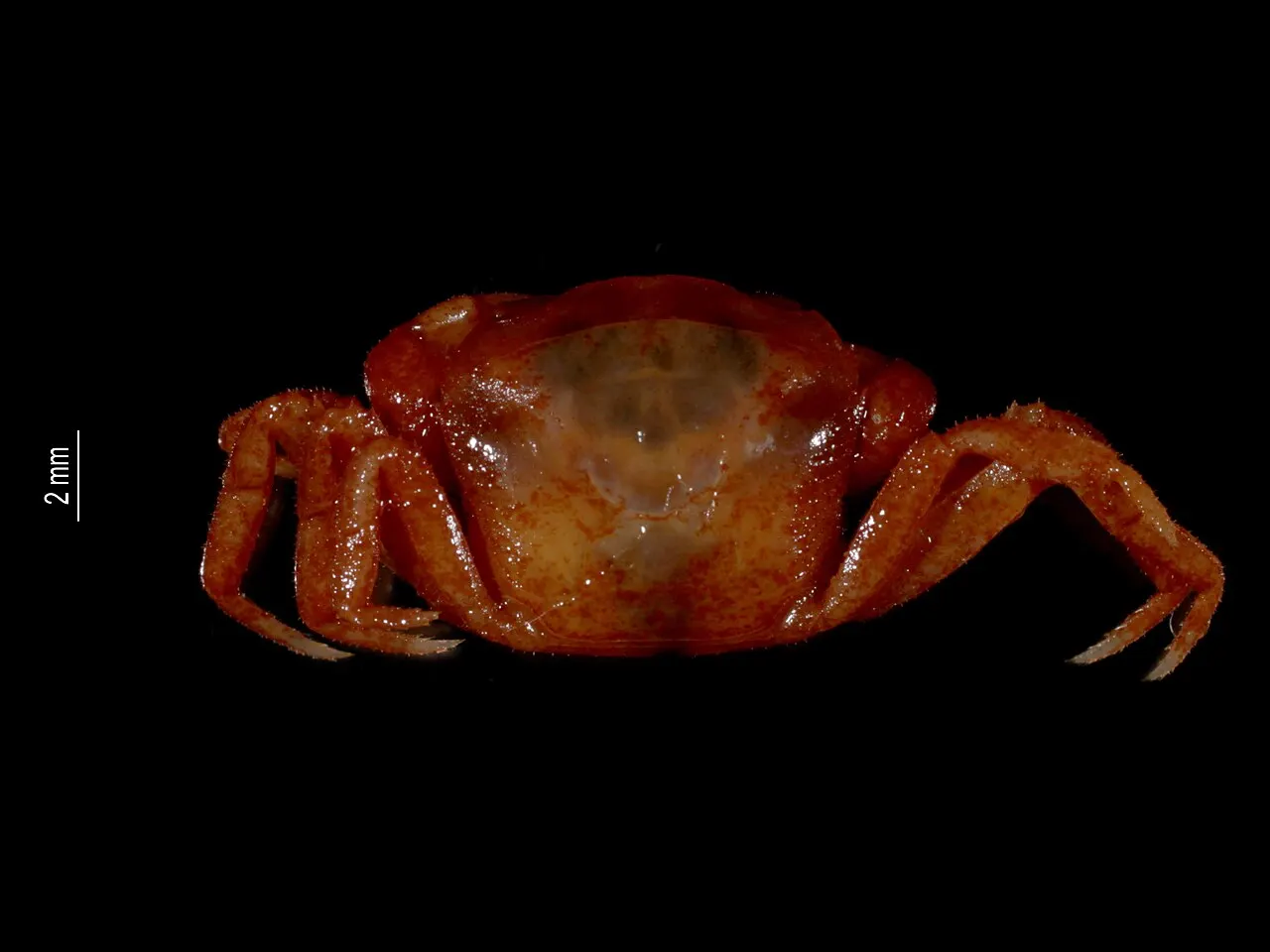
The swamp forest crab (Parathelphusa reticulata) is a small freshwater crab, reportedly up to about 4 cm long, found nowhere in the world except part of Singapore's Nee Soon Swamp Forest. The IUCN Red List rated it Critically Endangered in 2008. Singapore's NParks is now breeding it in captivity.
How to recognise it
It's a modest-sized freshwater crab, reportedly growing to about 40 mm. It belongs to the family Gecarcinucidae and was described to science in 1990, so it is a recent addition to the island's recorded fauna. Little else has been published about its appearance.
Where it lives
The crab has been recorded only from Nee Soon Swamp Forest, inside Singapore's Central Catchment Nature Reserve. NParks calls Nee Soon the last substantial patch of primary freshwater swamp forest left in the country. Since 1990 the crab has been found in an area of about 20 hectares, with small numbers in nearby streams, though it may persist in a few isolated swampy patches beyond that.
The water there is shaded, tea-colored and acidic, with a pH of roughly 5.0 to 5.5. The IUCN assessment lists swamp forest, marshes and permanent streams as its habitat, and records a single location.
Pins are Wikidata “endemic to” fields. Orange dots, when present, are GBIF occurrence tiles — survey bias included.
How it lives
It digs burrows in muddy banks and is active only at night. Its secretive habits probably explain why no specimens were known until the late 1980s. It eats mostly plant material and scavenges animal matter when it gets the chance. NParks says it breaks down fallen leaves, returning their nutrients to the stream and forest.
The crab tolerates neutral water better than expected, according to NParks. That hints its potential habitat could reach beyond acidic swamp forest.
Why it is in trouble
With only one small site, any damage to the forest or water could be disastrous. NParks lists habitat deterioration as the threat and says continued protection of the swamp forest and its buffer areas is essential. The IUCN assessment lists housing and urban development among the threats, alongside an unspecified one, both rated low impact, and marks the population trend as unknown.
Counting is difficult. NParks has described the wild population as stable, with an estimated few hundred mature individuals (2023), but says an accurate number is hard to get.
What is being done
The Nee Soon forest sits inside a protected reserve, and the IUCN notes the crab occurs in at least one protected area. NParks also started a recovery programme in December 2018, collecting 12 adults from the swamp. In July and August 2019 they produced about 300 offspring, the first time anywhere that the species was bred in captivity. Most of those were released into Nee Soon.
A second generation of about 180 crablets followed in early 2022. On 20 June 2023, 20 of them went into a stream at an undisclosed nature park where the crab was not known to live, to test whether a second wild population can take hold.
Sources
Written for this catalog in our own words from the sources below, checked against them on 12 November 2026. Population figures are estimates and carry the year they were made. Status and assessment year: IUCN. 2026. The IUCN Red List of Threatened Species. Version 2026-1. iucnredlist.org.
- IUCN Red List assessment, Parathelphusa reticulata
- NParks Flora and Fauna Web, Swamp Forest Crab
- Mothership, 2023, NParks release of captive-bred crabs
- Mothership, 2024, NParks breeds rare crabs
- NParks Annual Report 2023-2024, Community in Conservation
- NParks Biodiversity Singapore, Freshwater swamps
- Parathelphusa reticulata, Wikipedia