Critically Endangered
Pagai Island macaque
Macaca pagensis
The Pagai Island macaque (Macaca pagensis), also called the Pagai macaque or bokkoi, is a stocky monkey found only on three of the Mentawai Islands off western Sumatra, Indonesia. The IUCN Red List rated it Critically Endangered in 2020, with perhaps 2,100 to 3,700 animals left.
How to recognise it
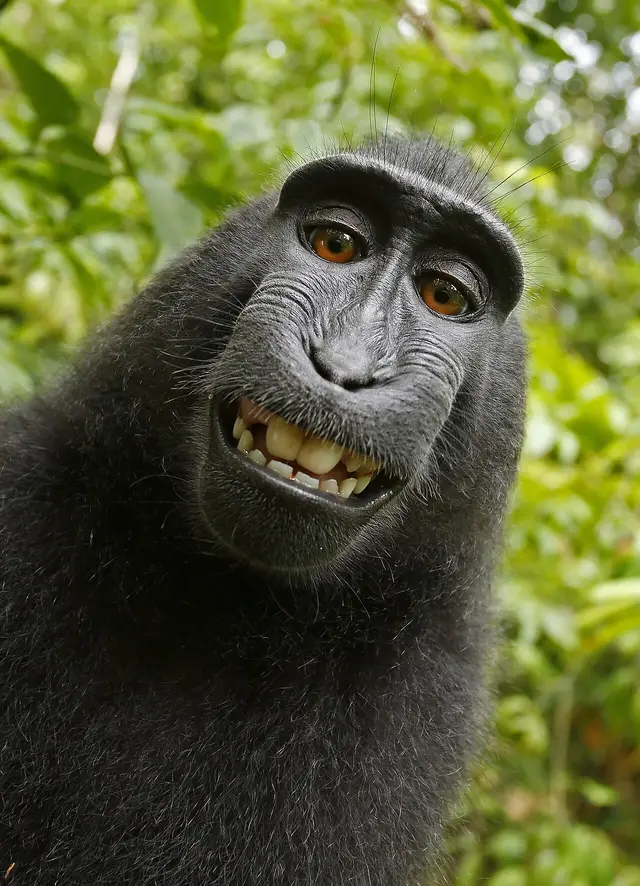
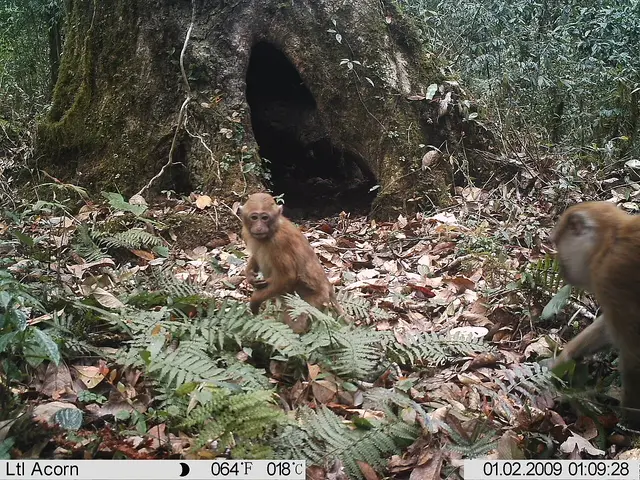
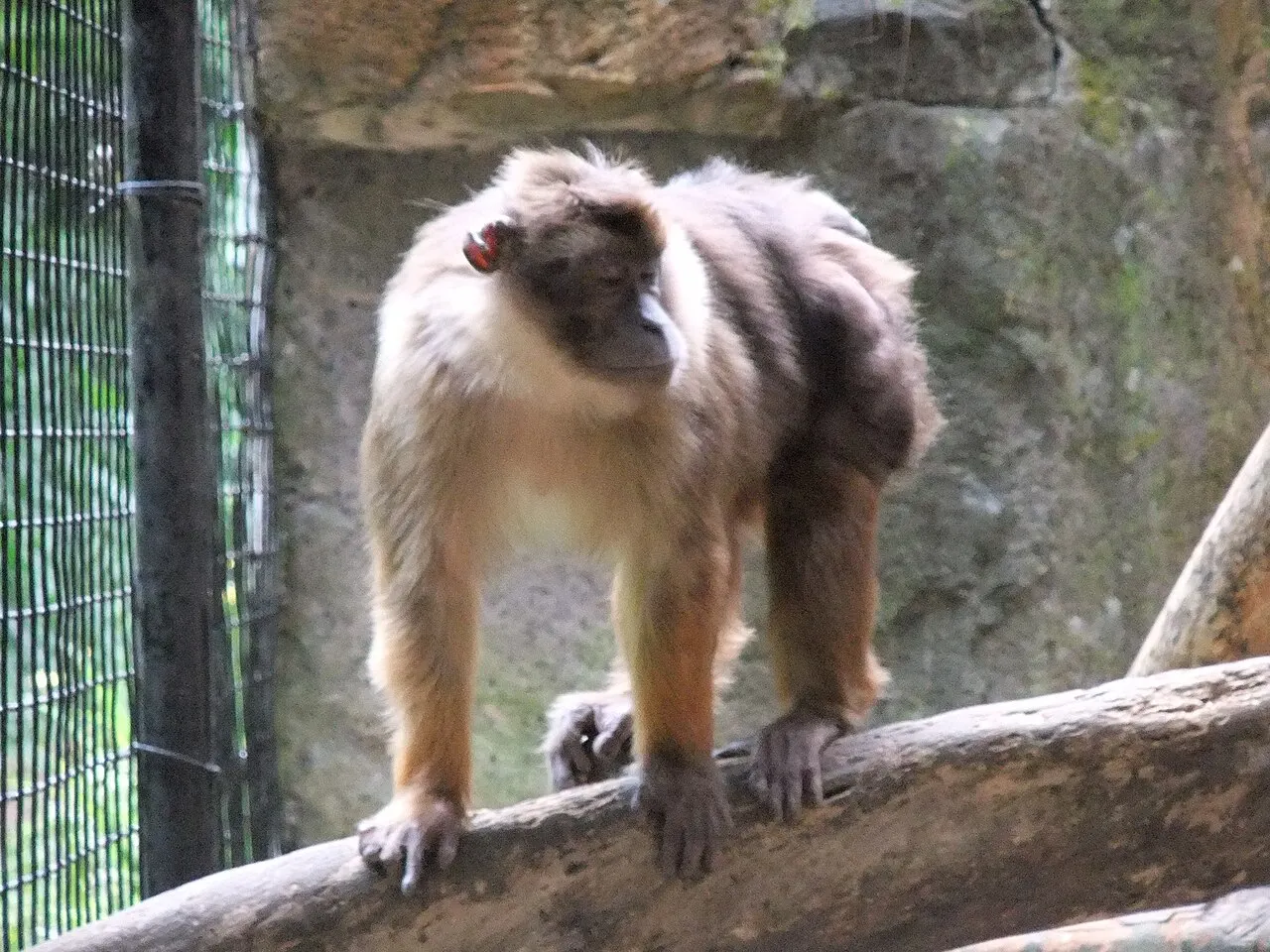
It's a medium-sized, short-tailed monkey with a bare black face and brown eyes. The back is dark brown, while the neck sides, front of the shoulders and underparts are chestnut to pale ochre. The legs are brown and the arms reddish brown.
Males are bigger, at about 45 to 55 cm in body length and 6 to 9 kg. Females measure 40 to 45 cm and weigh 4.5 to 6 kg. Cheek pouches let them carry food while they forage. It was once treated as a subspecies of the southern pig-tailed macaque, together with the Siberut macaque, which was also lumped in with it. They are now separate species.
Where it lives
The species is endemic to the southern Mentawai Islands, about 150 km off the Sumatran coast. It occurs on Sipora, North Pagai and South Pagai, and the IUCN lists Indonesia as the only country. It has been recorded up to about 200 m elevation.
The IUCN lists lowland moist forest, swamp forest and mangrove above the high tide line as its habitat. It is found in both primary and disturbed forest and favours riverine coastal swamp forest. Only 10 to 15 percent of Sipora's original forest cover remains.
Pins are Wikidata “endemic to” fields. Orange dots, when present, are GBIF occurrence tiles — survey bias included.
How it lives
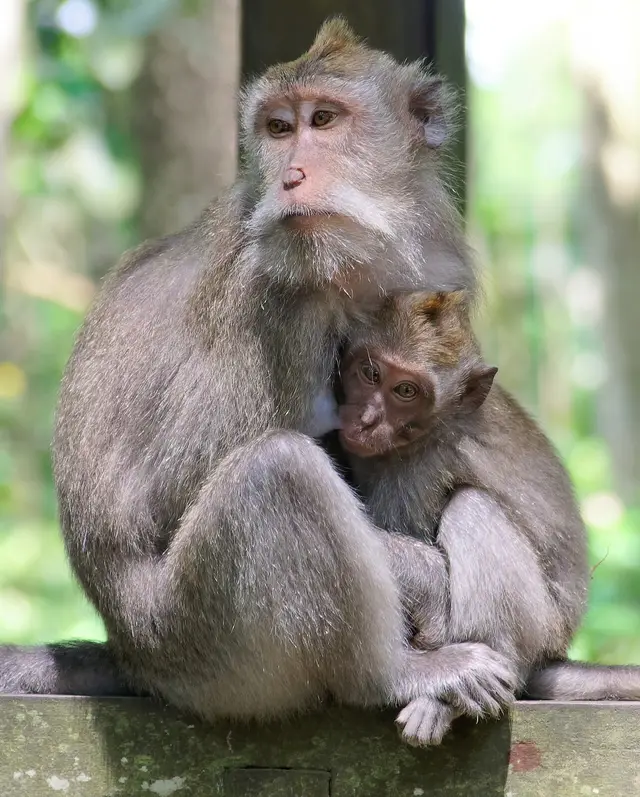
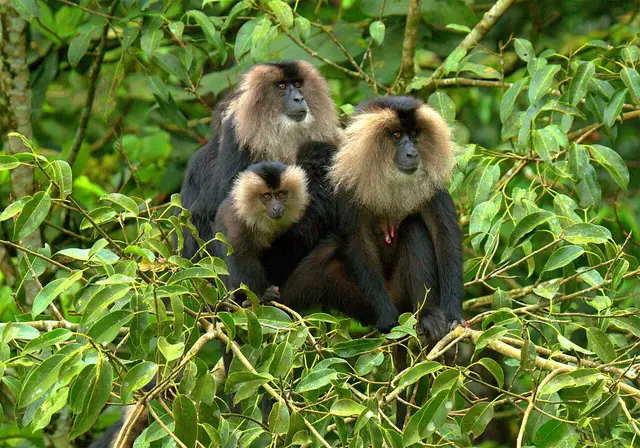
Pagai macaques spend most of their time in the canopy, foraging some 24 to 36 m up, and may sleep as high as 45 m. Figs are the main food. Groups usually number about 5 to 25, typically one male with adult females and their young. A mother and her offspring stay closely bonded.
Gestation lasts 5 to 6 months and females bear a single young. Reticulated pythons and crested serpent eagles prey on them. They often feed alongside Mentawai langurs.
On the Pagai Islands, densities are higher in logged forest than in unlogged forest, peaking in forest logged about 20 years earlier, and lower near human settlements.
Why it is in trouble
The population is estimated to have fallen from roughly 15,000 in 1980 to about 2,100 to 3,700 (based on densities of 7 to 12 animals per square km in suitable Pagai habitat). The IUCN recorded a past and ongoing decline of 75 to 86 percent and a population still shrinking.
The IUCN lists hunting, persecution, plantations and small-holder farming among the pressures, and it records use for food and as pets. The species is also hunted and poisoned as a crop pest. Hunting has risen as logging roads open up forest and as hunters have switched from bows and arrows to air rifles. Local taboos that once limited hunting have faded. Cash crops and oil palm plantations drive much of the forest loss.
What is being done
The monkey is a protected animal under Indonesian regulation and listed on CITES Appendix II, which controls international trade. The 2020 IUCN assessment records that it occurs in at least one protected area, while it lists no recovery plan or monitoring scheme in place. A 2006 study by Whittaker described the species as urgently in need of protection. Actions the IUCN recommends include site and trade management, harvest management, education and awareness.
The 2006 study recommended working with a logging company that has practised selective logging on the Pagai Islands since 1971, teaching communities about hunting, and creating other ways for local people to earn a living.
Sources
Written for this catalog in our own words from the sources below, checked against them on 12 November 2026. Population figures are estimates and carry the year they were made. Status and assessment year: IUCN. 2026. The IUCN Red List of Threatened Species. Version 2026-1. iucnredlist.org.