Endangered
Leptaxis caldeirarum
Leptaxis caldeirarum
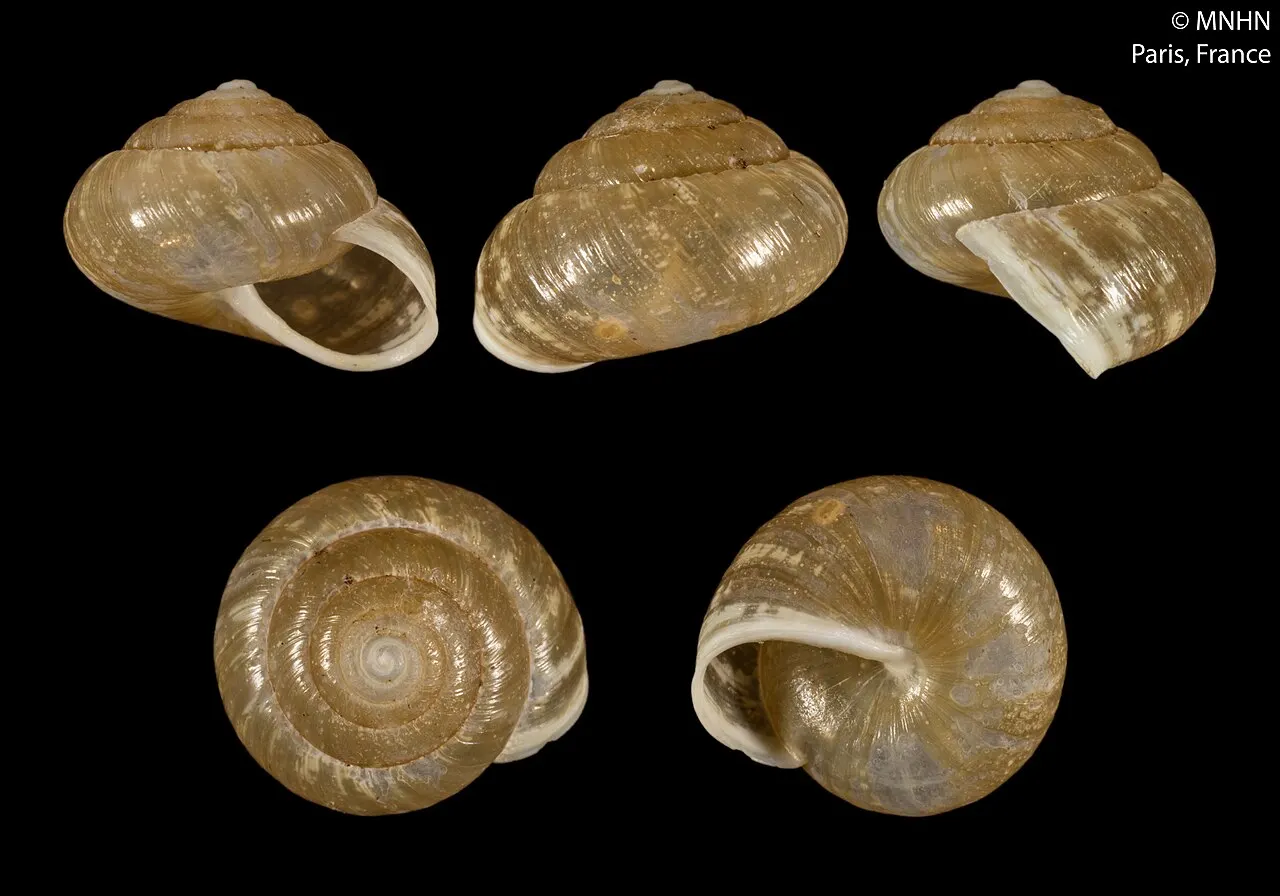
Leptaxis caldeirarum is a small land snail found only around the Sete Cidades volcanic complex on São Miguel, in the Azores. The IUCN Red List rated it Endangered in 2025. It lives in a small area of forest, is described as extremely rare around the crater, and faces continuing habitat decline.
How to recognise it
It's a small, air-breathing snail, first described by Morelet and Drouet in 1857. The shell reaches about 10.4 mm in length. Little else about its appearance appears in the accessible literature.
References disagree on its family. The IUCN and the 2005 reproduction study place it in the Hygromiidae, while one reference lists Helicidae.
Where it lives
The snail is restricted to the Sete Cidades volcanic complex at the western end of São Miguel. A 2005 study gave its geographic range as 31 square kilometres, of which about 14 were occupied. The IUCN's 2025 assessment gives a larger area of 40 to 56 square kilometres, and counts 3 to 10 locations (best estimate 5) between about 200 and 500 metres above sea level.
The IUCN records temperate forest and introduced vegetation as its habitat. It estimates that 11 to 20 percent of the population lies inside protected areas, and the snail occurs in at least one.
Pins are Wikidata “endemic to” fields. Orange dots, when present, are GBIF occurrence tiles — survey bias included.
How it lives
Each snail is a hermaphrodite. A 2005 study by Rodrigues and Medeiros in Invertebrate Reproduction and Development described its reproductive cycle. Gonads mature from late winter into early summer, gamete production is most intense from January to May, and the snails appear able to mate from late spring onward.
The researchers also tested whether body weight and shell diameter could serve as simple indicators of reproductive state, which would let a fragile population be studied without dissecting animals.
Why it is in trouble
The 2025 assessment records a continuing decline in habitat area, though the overall population trend is marked unknown and the population is not considered severely fragmented. An ongoing threat of unknown scale is listed across most of the range, and habitat shifts and droughts are listed as future threats across the whole range.
The stresses recorded are conversion and degradation of its forest habitat, direct mortality and disturbance. The IUCN rates the severity of each threat as unknown.
What is being done
Conservation sites have been identified over part of the range. The IUCN lists site protection and habitat protection as actions, and records that no recovery plan or systematic monitoring scheme is in place. Research priorities are population size, distribution and trends, habitat trends and threats.
Sources
Written for this catalog in our own words from the sources below, checked against them on 12 November 2026. Population figures are estimates and carry the year they were made. Status and assessment year: IUCN. 2026. The IUCN Red List of Threatened Species. Version 2026-1. iucnredlist.org.