Endangered
Leopard torpedo
Torpedo panthera
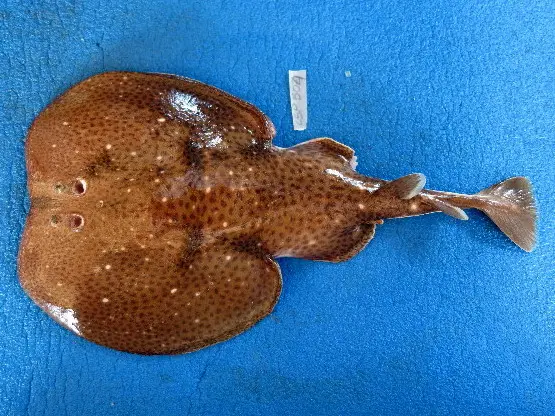
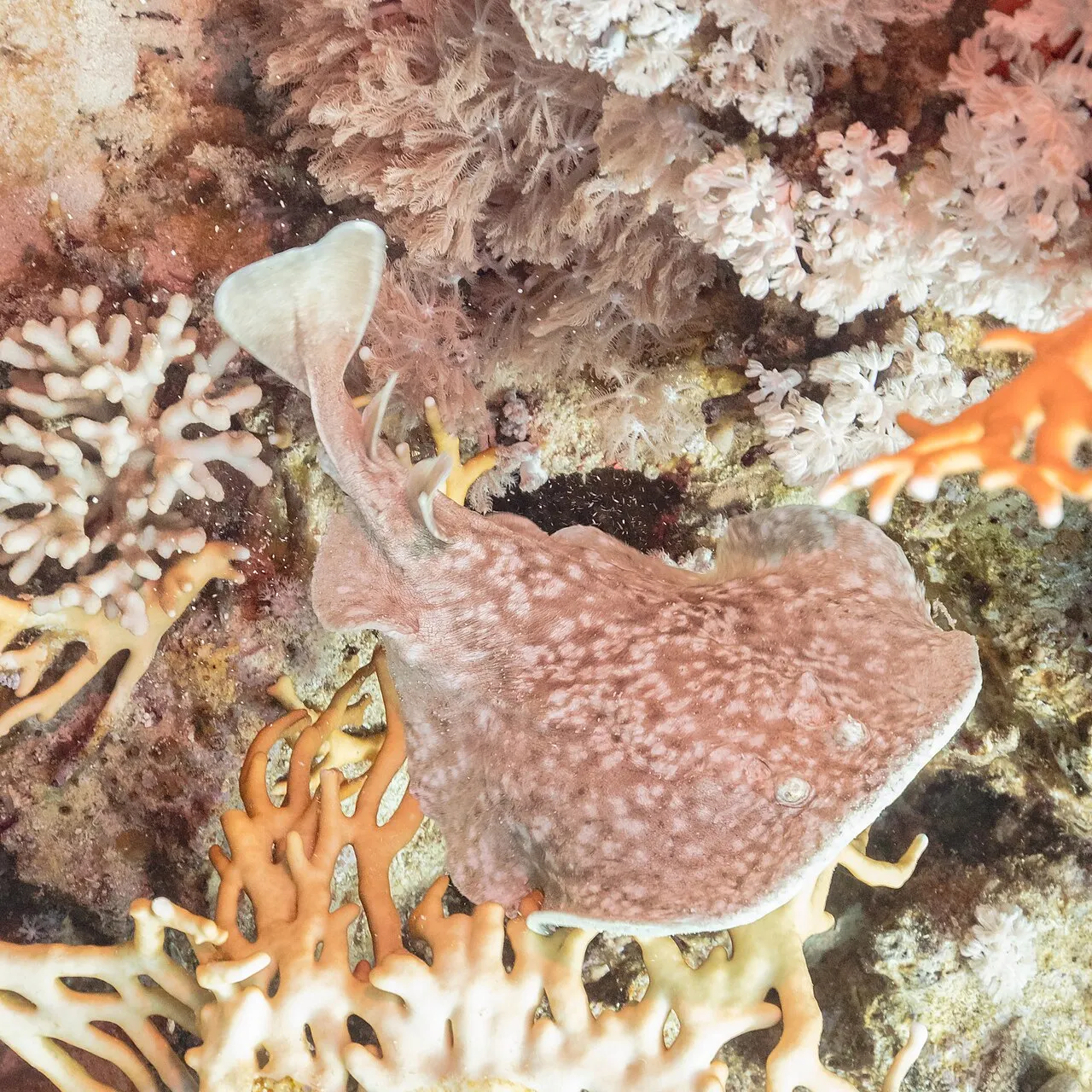
The leopard torpedo (Torpedo panthera), also called the panther electric ray, lives in the Red Sea, Arabian Sea and nearby waters of the northern Indian Ocean. The IUCN Red List assessed it as Endangered in 2022 because fishing, mostly as unintended catch, is believed to be cutting its numbers.
How to recognise it
It's an electric ray in the family Torpedinidae, described by Ignaz von Olfers in 1831. It reaches up to about 100 cm in total length, and males are mature by around 28 cm.
Where it lives
The leopard torpedo is a tropical species of the northern Indian Ocean, including the Red Sea, the Gulf of Aden, the Sea of Oman and the Persian Gulf. The IUCN lists it as present off Egypt, Sudan, Eritrea, Djibouti, Somalia, Yemen, Saudi Arabia, Oman, Israel, Jordan, Pakistan and India, with its presence in Iran uncertain. Reports from the Bay of Bengal probably refer to a different ray, according to FishBase.
It lives on or near the seabed, from the shallows to about 350 m (FishBase elsewhere gives about 100 m). Habitats named in the assessment include sandy, sandy-mud, muddy and gravelly bottoms, coral reefs, and the upper 200 m of open water.
Pins are Wikidata “endemic to” fields. Orange dots, when present, are GBIF occurrence tiles — survey bias included.
How it lives
It eats mainly invertebrates and small reef fish. Young develop inside the mother (the species is ovoviviparous), first living on yolk and later receiving extra nourishment from uterine fluid.
The species reproduces slowly. The IUCN puts generation length at about 10 years, and FishBase rates its resilience as very low, with a population taking more than 14 years to double at the fastest. That makes a steady loss hard to make up.
Why it is in trouble
The main threat is fishing that doesn't target it. The assessment names both large-scale and small-scale or subsistence fisheries catching it unintentionally, affecting somewhere between half and nine tenths of the population and causing slow but significant declines. Smaller, less certain threats come from other changes to marine ecosystems. The species is also taken for food, mostly by subsistence fishers.
The Endangered listing rests on criterion A2d, which covers population reduction inferred from actual or potential levels of exploitation. The assessment places the past reduction in the 50 to 79 per cent band and treats the overall trend as decreasing. FishBase scores its vulnerability to fishing as high to very high (68 out of 100).
What is being done
Little is in place. The species occurs in at least one protected area, but the assessment records no recovery plan, no harvest management plan and no systematic monitoring scheme. It calls for harvest management, species recovery work and action at national level.
It also lists research needs, including life history, population size and trends, harvest levels and trends, and taxonomy.
Sources
Written for this catalog in our own words from the sources below, checked against them on 12 November 2026. Population figures are estimates and carry the year they were made. Status and assessment year: IUCN. 2026. The IUCN Red List of Threatened Species. Version 2026-1. iucnredlist.org.