Endangered
Koslov's pika
Ochotona koslowi
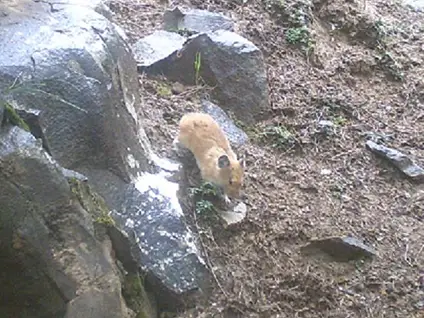
Koslov's pika (Ochotona koslowi) is a sandy-coloured relative of rabbits that lives on the cold, high grasslands of the Kunlun Mountains in western China, at 4,100 to 4,800 metres. The IUCN Red List rated it Endangered in 2019, mostly because so little is known about how many remain and how fast they are declining.
How to recognise it
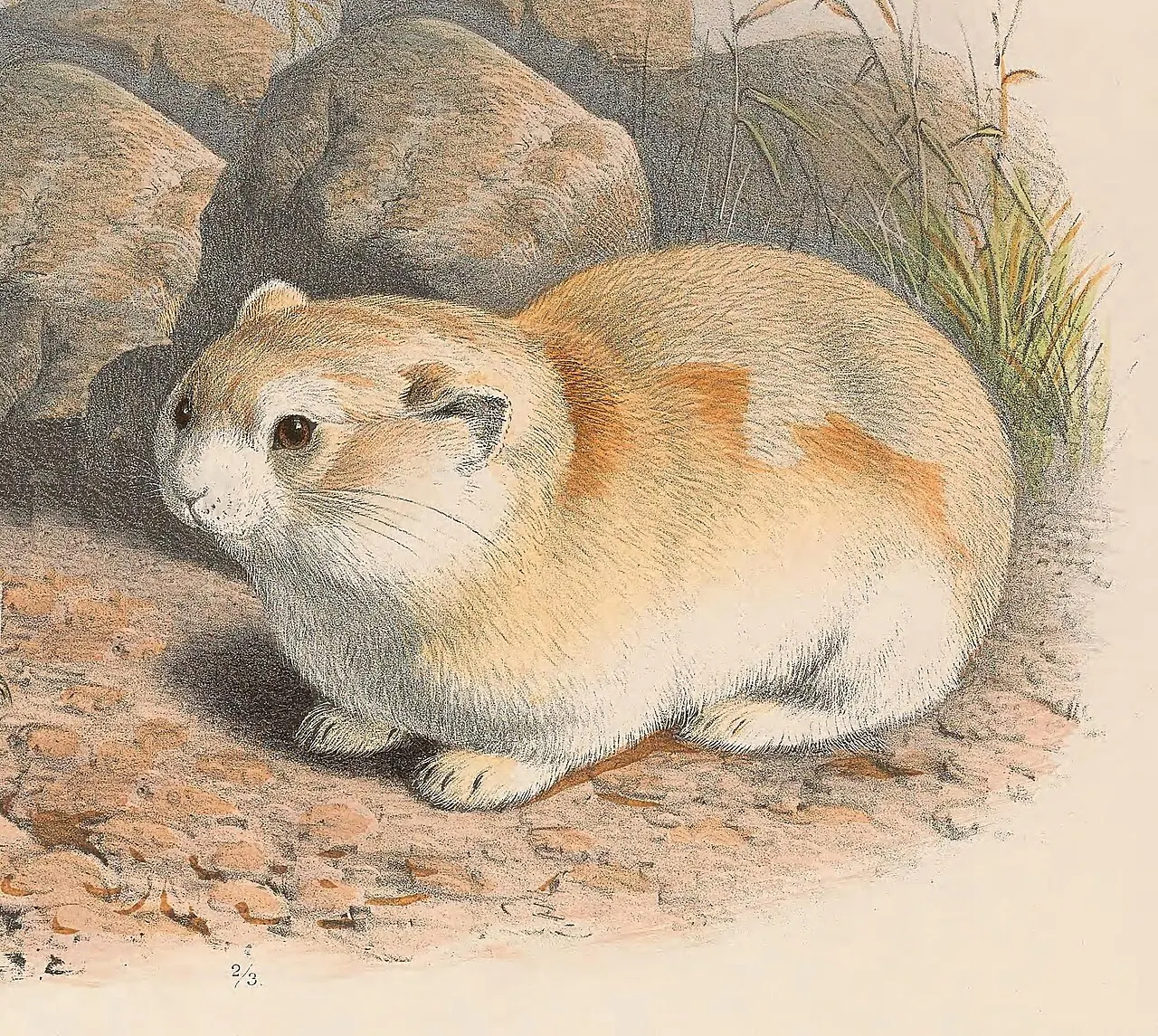
It's a medium-sized pika, with a head and body 170 to 240 mm long and a weight of roughly 100 to 300 g. The back is light rufous or sandy with whitish hair tips, the belly is yellowish white, and the lips are white. Winter fur is longer and paler.
The skull is broad, strongly arched and almost cubic, and the lips are white.
Where it lives
The species is found only in China, in the Kunlun Mountains of Xinjiang and Qinghai. Its known range includes the Arkatag and Bokalyktag ranges, valleys between the Kunlun and Altyn Tagh mountains, and the Aqqikkol Lake depression. The species was described by E. Büchner in 1894, from a pass on the edge of the Tarim Basin, where animals were found burrowing in raised mounds of salty loess at about 14,000 feet (roughly 4,270 m).
The IUCN gives its extent of occurrence as about 96,000 square kilometres, split among roughly 10 locations, with an elevation band of 4,200 to 4,800 m. The habitat it records is temperate grassland. A handbook entry describes alpine grassland, mountain steppe and sandy valley soils.
Pins are Wikidata “endemic to” fields. Orange dots, when present, are GBIF occurrence tiles — survey bias included.
How it lives
Koslov's pika is active by day and isn't shy, moving openly around its burrows and living in communal family groups. The burrows have 7 to 8 entrances, tunnels about 2 m long and depths of 30 to 40 cm, with two or three branches.
It eats green plants, and 15 plant species have been recorded in its diet. Whether it stores hay for winter, as many pikas do, hasn't been described. Females examined in mid-June were pregnant with 4 to 8 embryos, and a second breeding round has been reported.
A handbook entry puts density at about 300 to 400 animals per square kilometre, without a survey cited. There is no total population count.
Why it is in trouble
The 2019 assessment records a population decline of around 50 percent in the past, attributed to loss of habitat area and quality, and lists the trend as decreasing. Threats it names include conversion and degradation of the ecosystem, plus past incidental killing of pikas that weren't the target. Ongoing pressure is rated low, with the scale unrecorded.
The Endangered rating rests on thin data. The IUCN says little is known about its distribution and abundance, and few field studies exist.
What is being done
The species is also reportedly listed as Endangered in China. The IUCN records that conservation sites have been identified across the whole range, though it lists no specific management programme. Research priorities it records are population size, distribution and trends, life history and ecology, and the effects of conservation actions.
Sources
Written for this catalog in our own words from the sources below, checked against them on 12 November 2026. Population figures are estimates and carry the year they were made. Status and assessment year: IUCN. 2026. The IUCN Red List of Threatened Species. Version 2026-1. iucnredlist.org.