Endangered
Ischnura gemina
Ischnura gemina
The San Francisco forktail (Ischnura gemina) is a slender, blue-marked damselfly found only around the San Francisco Bay Area in California. The IUCN Red List rated it Endangered in 2018. The National Park Service calls it one of the rarest dragonflies and damselflies in the United States, tied to small wetlands in a heavily urbanised region.
How to recognise it
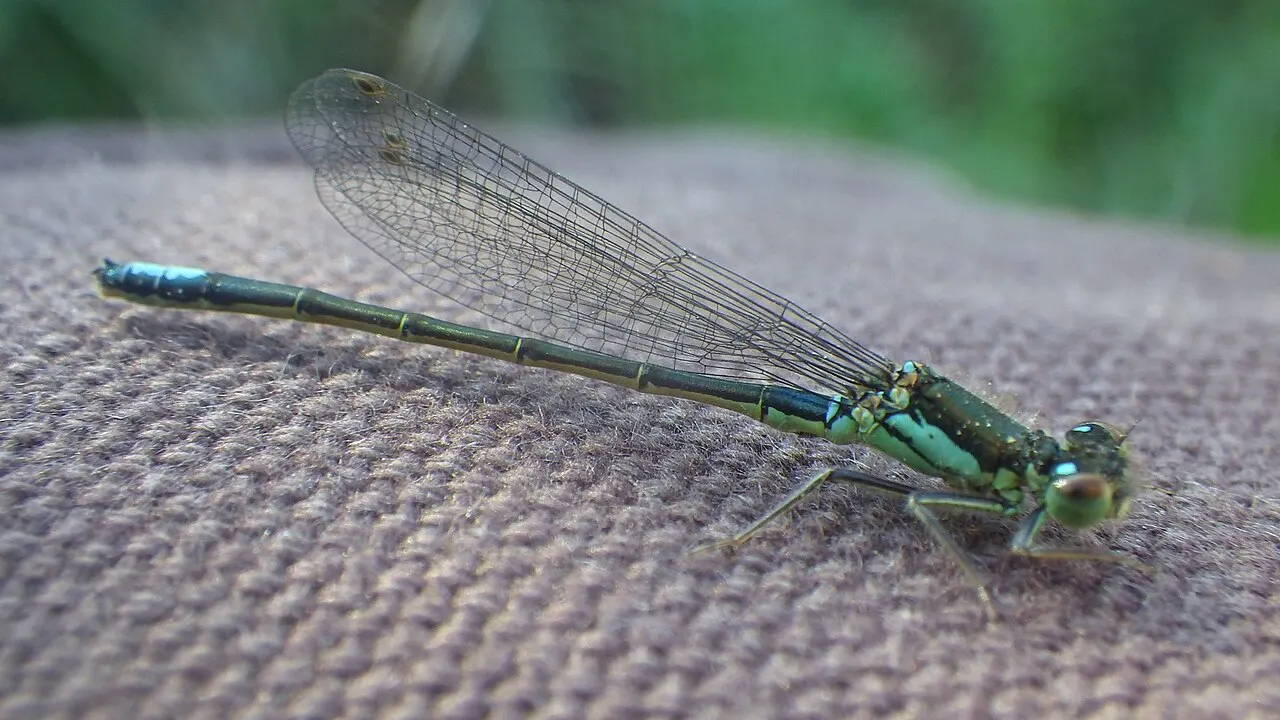
Adults are tiny, reportedly about 2.5 cm long. Males are mostly black with blue along the sides of the thorax and blue spots near the tip of the abdomen. Females have dull green thoracic sides.
It looks much like a related forktail, Ischnura denticollis, and the shape of the male's genital appendages is what separates them. The two are thought to hybridise.
Where it lives
The whole range is reported to cover less than 500 square miles of the Bay Area, mainly San Francisco and parts of San Mateo and Marin counties. The IUCN lists small permanent freshwater marshes and pools, plus ponds, as habitat. The National Park Service says it survives at only a few Bay Area sites, including Fort Point in the Presidio of San Francisco.
It reportedly tolerates some disturbance, including channelised waterways, as long as marshy vegetation remains. Larvae develop among aquatic plants, and adults are said to eat other small wetland arthropods.
Pins are Wikidata “endemic to” fields. Orange dots, when present, are GBIF occurrence tiles — survey bias included.
How it lives
Adults are reported to fly from March to November. Some are said to live more than 30 days, which is long for a damselfly and may help them cope with the region's foggy climate. Other sources give different flight dates, so treat the season as approximate.
Why it is in trouble
Urban development is the main problem. The IUCN lists housing and urban areas as an ongoing threat, records the population as severely fragmented, and gives the trend as decreasing. It was rated Vulnerable in 2007, then Endangered again in 2018.
Local losses show how it happens. At Glen Canyon Park in San Francisco, the species reportedly disappeared once its wet seeps were broken into pieces too small to support it. A reintroduction there after wetland restoration reportedly held on only briefly, though it produced useful data on what the insect needs.
What is being done
The National Park Service, the Presidio Trust and the San Francisco Zoo began a captive breeding programme in about 2016 to restore the damselfly to Mountain Lake in the Presidio. By August 2017 the programme had released over 2,000 nymphs bred from about 20 captured adults.
A mark-recapture study at Fort Point in July 2017 estimated about 117 males there, which shows how small some colonies are. The partners planned more releases at the lake and at other Presidio sites. The IUCN lists site protection, habitat restoration and reintroduction as recommended actions, and records that no species recovery plan was in place at the 2018 assessment.
Sources
Written for this catalog in our own words from the sources below, checked against them on 12 November 2026. Population figures are estimates and carry the year they were made. Status and assessment year: IUCN. 2026. The IUCN Red List of Threatened Species. Version 2026-1. iucnredlist.org.




