Critically Endangered
Iphis Monarch
Pomarea iphis
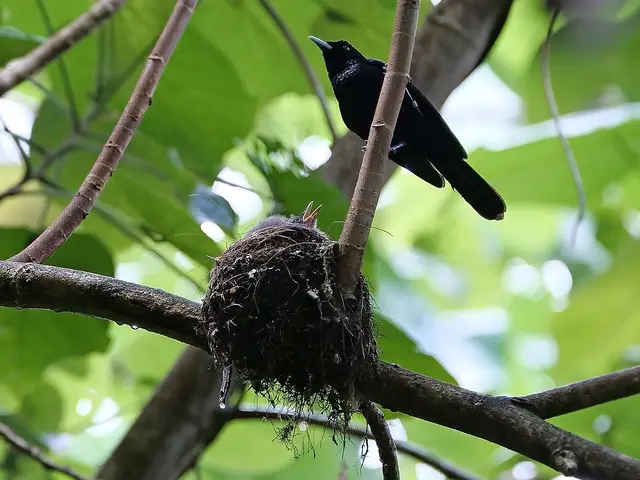
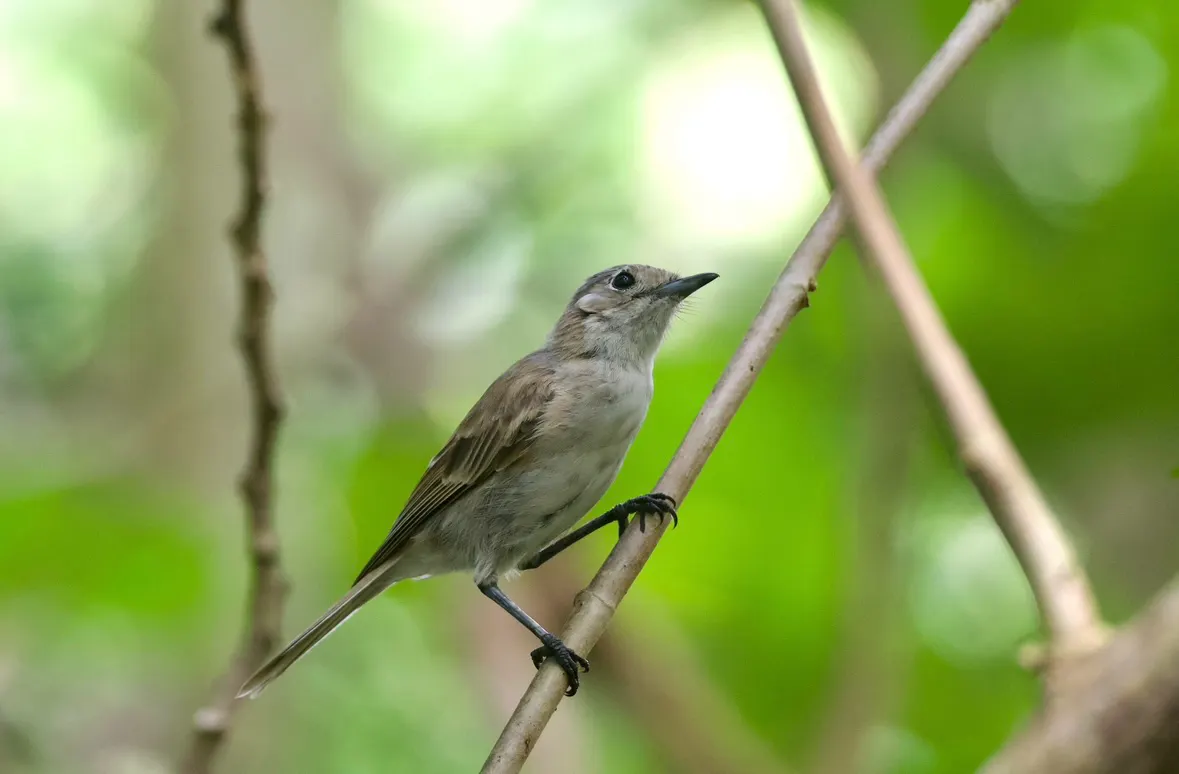
The Iphis monarch (Pomarea iphis) is a small forest bird found on a single island, Ua Huka in French Polynesia's Marquesas group. The IUCN Red List rated it Critically Endangered in 2017 because its range is tiny, even though counts have looked steady for decades.
Where it lives
The species lives nowhere except Ua Huka. Birds were first collected there in 1922 and formally described in 1928. A close relative on the uninhabited island of Eiao was once treated as a subspecies, but it is now regarded as a separate species, the Eiao monarch, and is listed as extinct.
A 1998 island-wide survey found breeding birds from 30 to 650 m above sea level in the wooded parts of the south (the Vaipaee, Hane and Hokatu valleys) and in patches of dry lowland forest on the east coast. Two non-breeding birds were seen in 1997 at 840 m on a ridge running from the island's highest summit. The IUCN assessment also lists shrubland, rural gardens and plantations among its habitats, and puts its extent of occurrence at just 99 square km.
Pins are Wikidata “endemic to” fields. Orange dots, when present, are GBIF occurrence tiles — survey bias included.
How it lives
Iphis monarchs forage in dense brush. They glean insects from branches or catch them in the dark, shaded space beneath the brush-covered canopy. The 1998 survey estimated 2 to 5 pairs per 10 hectares, depending on forest quality, and found the birds most common in the bottoms of river valleys.
Young birds in immature plumage behave differently from breeding adults. They travel alone or in small flocks of up to five and turn up in dry, shrubby vegetation in the lowlands and along inland ridges.
How many there are
The 1998 survey put the breeding population at roughly 500 to 1,250 pairs, and numbers and range looked relatively stable between 1975 and 1998. The 2017 Red List assessment gives 1,000 to 2,499 mature individuals in one subpopulation and lists the trend as stable. Those figures rest on old survey data, and no systematic monitoring scheme was in place at the time of the assessment.
Why it is in trouble
Everything rides on one small island. Forest covers only about 30 percent of Ua Huka, after years of damage from feral sheep, cattle, horses and goats. The IUCN assessment adds fire, clearing for farming and for wood carving, and cyclone damage as pressures on its habitat.
The bigger worry is a predator that is not there yet. Black rats have been a major cause of decline and extinction among the Marquesan and Society Island monarchs, and the assessment treats their arrival as a serious future threat. Introduced birds that may carry disease, yellow crazy ants, Singapore ants and feral cats are already on the island.
What is being done
Rat bait stations were installed on Ua Huka's three wharves in 2009 to stop black rats establishing, and they are still maintained. Trapping campaigns from 2008 to 2011 found the island still free of black rats.
The IUCN assessment records conservation sites identified over the entire range and the species occurring in at least one protected area. It notes no species recovery plan and no captive population, and it calls for a fresh population survey and continued rat surveillance.
Sources
Written for this catalog in our own words from the sources below, checked against them on 12 November 2026. Population figures are estimates and carry the year they were made. Status and assessment year: IUCN. 2026. The IUCN Red List of Threatened Species. Version 2026-1. iucnredlist.org.