Endangered
Iberochondrostoma almacai
Iberochondrostoma almacai
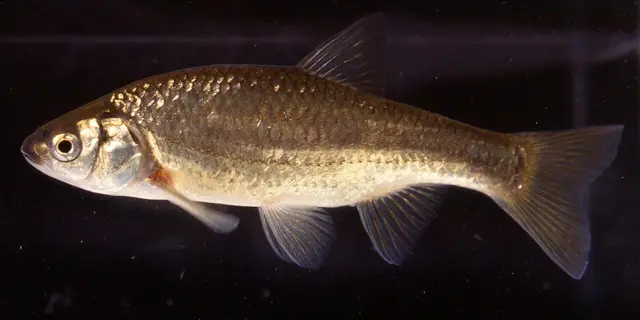
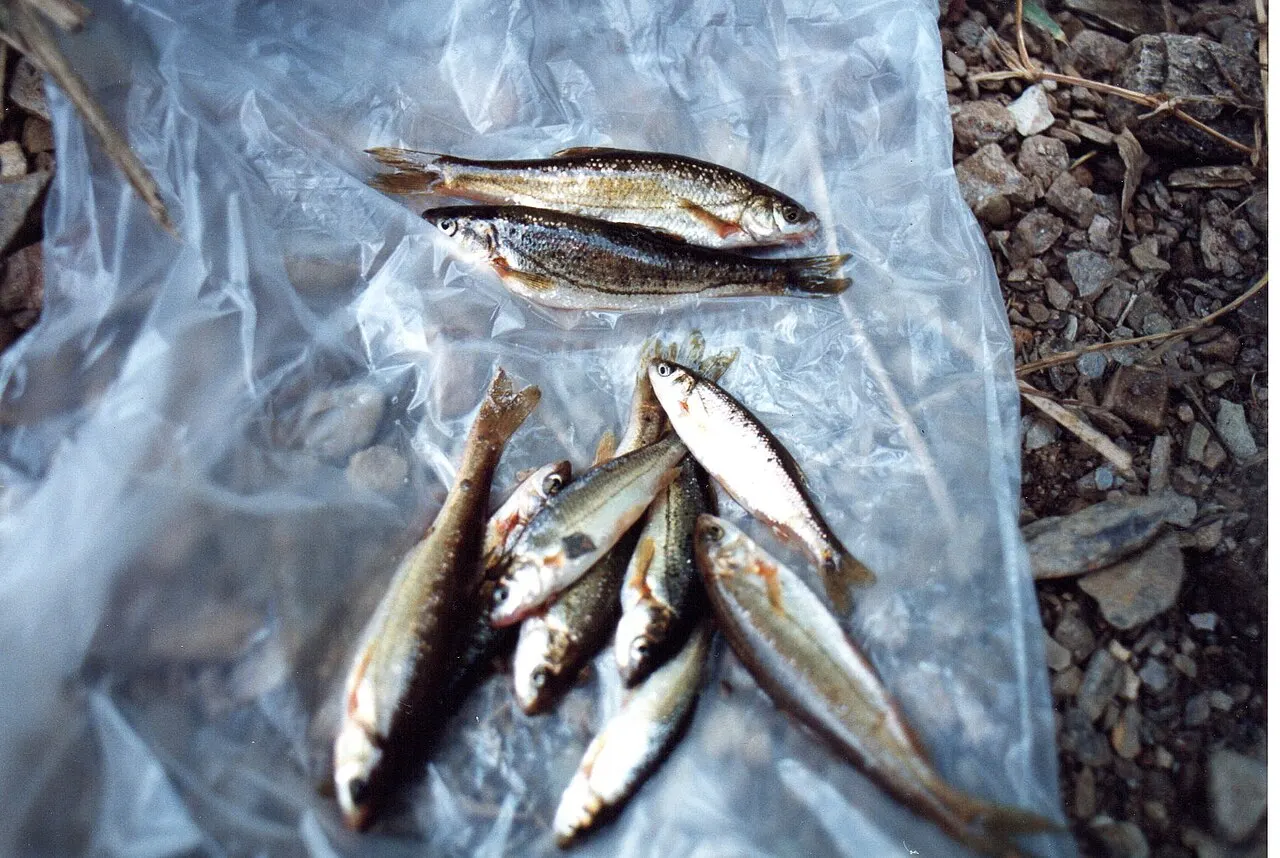
The southwestern arched-mouth nase, Iberochondrostoma almacai, is a small freshwater fish found only in three river systems of southern Portugal: the Mira, Arade and Bensafrim. It was described in 2005 and assessed Endangered in 2024, squeezed by drought, dams, water abstraction and introduced fish.
How to recognise it
It is a member of the minnow family that grows to a maximum of about 14.8 centimetres. Males mostly mature at 70 to 80 millimetres, while only half of females have matured by 80 to 90 millimetres. It was first placed in the genus Chondrostoma, before being moved to Iberochondrostoma.
Where it lives
The fish is endemic to southern Portugal. It lives in the Mira, Arade and Bensafrim drainages, which the IUCN counts as three locations. Its habitat is permanent and seasonal rivers and streams of the Mediterranean type, with clear water and low to medium flow.
These streams shrink in summer, and the fish shelters in the pools that remain, sometimes very small ones.
Pins are Wikidata “endemic to” fields. Orange dots, when present, are GBIF occurrence tiles — survey bias included.
How it lives
It is a short-lived species, with a maximum reported age of 4 years and maturity at around 2. Spawning runs from January to April in shallow, fast-flowing riffles. Fecundity is high for such a small fish, with estimates of up to about 3,999 eggs at 100 millimetres in length. The IUCN records it as gathering in groups all year and as not a migrant.
Why it is in trouble
The Red List assessment (criteria B1ab(iii)+2ab(iii)) lists a long set of pressures, headed by water: droughts, large and small dams, and abstraction of both surface water and groundwater for farming. Introduced fish are a second pressure. Mosquitofish (Gambusia), black bass (Micropterus) and sunfish (Lepomis) prey on it and compete with it. The IUCN records a continuing decline in the area it occupies, though the overall population trend is unknown and the population is not considered severely fragmented.
What is being done
The IUCN lists habitat restoration and control of invasive species as the actions needed. It records that the species occurs in at least one protected area, that conservation sites have been identified over part of its range, and that it is held in ex-situ conservation. There is no recovery plan and no systematic monitoring scheme in place.
Sources
Written for this catalog in our own words from the sources below, checked against them on 12 November 2026. Population figures are estimates and carry the year they were made. Status and assessment year: IUCN. 2026. The IUCN Red List of Threatened Species. Version 2026-1. iucnredlist.org.