Endangered
Pomona roundleaf bat
Hipposideros pomona
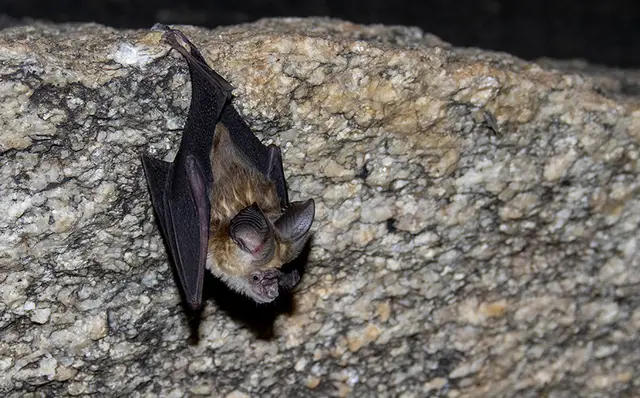
The Pomona roundleaf bat (Hipposideros pomona) is a small insect-eating bat endemic to the southern Western Ghats of India. It is rated Endangered by the IUCN (2020 assessment) because it is known from only 8 to 10 roost locations scattered over a tiny area that is still losing habitat.
How to recognise it
A roundleaf bat gets its name from the leaf-shaped fold of skin around the nostrils, used to shape its echolocation calls. This one is small, with a forearm of roughly 39 to 43 mm. The Red List also uses the name Andersen's roundleaf bat, after the Danish mammalogist Knud Andersen, who described it in 1918 from a specimen collected in Coorg.
A species that was split
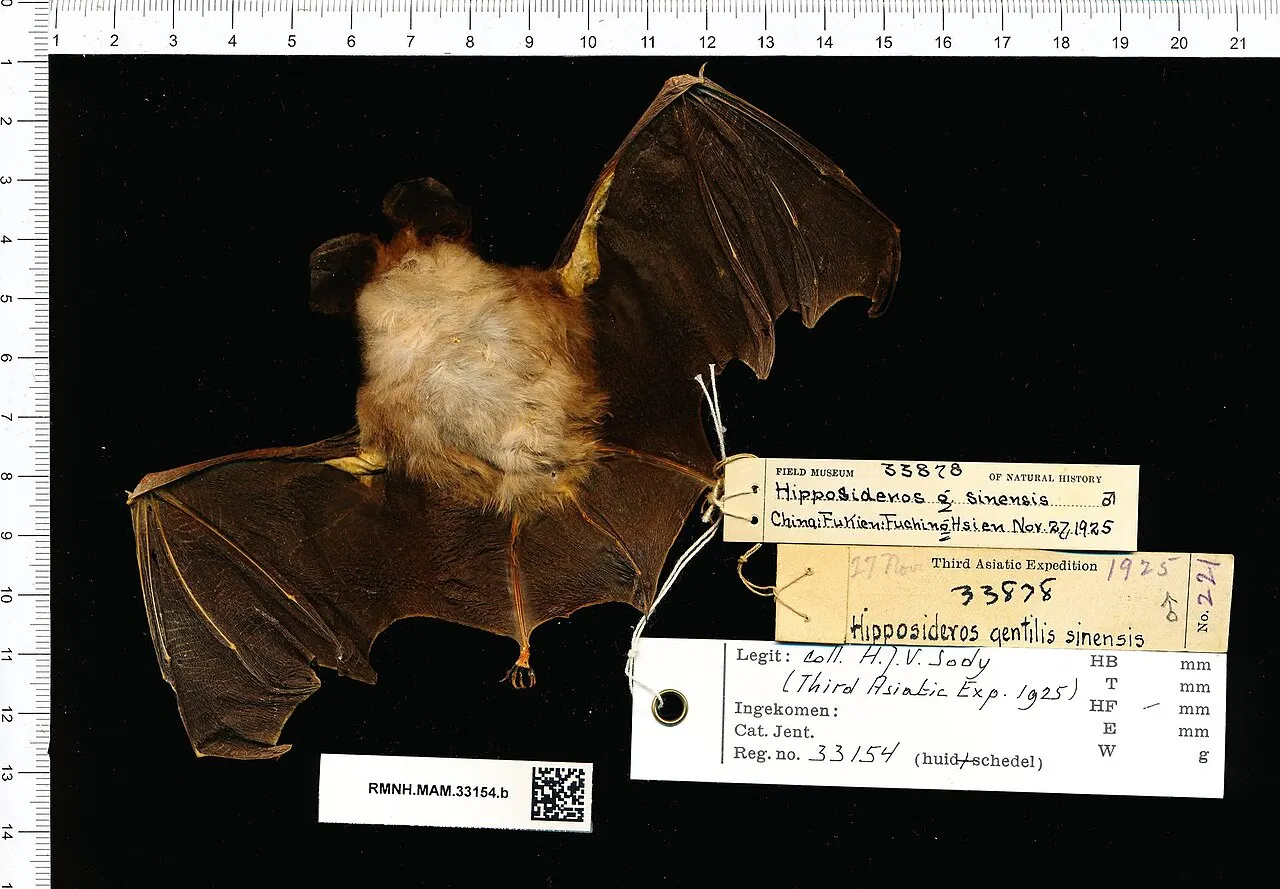
For years this bat was treated as one species, or a form of Hipposideros bicolor, spread from India into Southeast Asia and southern China. In 2018 Srinivasulu and Srinivasulu examined museum material in Kolkata, including skull and baculum features, and concluded in the Journal of Threatened Taxa that the Indian bat and the form from Myanmar called Hipposideros gentilis are distinct. A 2023 master's thesis at Kerala Agricultural University compared mitochondrial DNA from one Kerala bat with sequences from a database and found a clear difference between the two.
That matters for its status. Records of the group from elsewhere in Asia belong to the wider complex, not to this narrow endemic. The same thesis found that bats north and south of the 30 km Palghat Gap differed in forearm length and call frequency, yet looked alike in a combined analysis of body measurements.
Where it lives
The assessment lists southern Karnataka, Kerala and Tamil Nadu, and rejects a record from Andhra Pradesh as a misidentified bat. It is known from fewer than 10 records. Its extent of occurrence is about 49,413 km2, but the area it actually occupies is estimated at only 32 to 40 km2, spread across 8 to 10 roosts. These groups are severely fragmented.
Records run from about 100 m to 1,200 m above sea level. Habitats named in the assessment include moist lowland and hill forest, caves and other underground spaces, plantations and rural gardens. The 2023 thesis describes it as mostly found in thick forest at medium to high altitude.
Pins are Wikidata “endemic to” fields. Orange dots, when present, are GBIF occurrence tiles — survey bias included.
How it lives
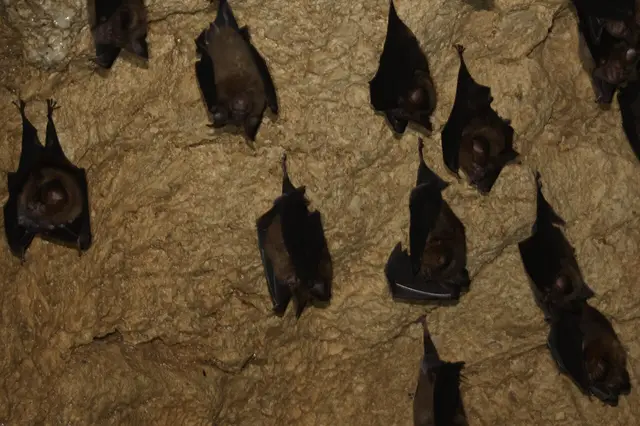
Little is known. It roosts in small colonies of a few animals in caves and crevices, and has been seen in old disused wells and small caves. It is an insect eater. The assessment says the bats spend over half their lives at roosts, and the species gathers in groups all year.
Why it is in trouble
The assessment says information on threats is limited, but the underground roosts and the foraging habitat are under pressure from human encroachment and habitat change. When the type locality in southern Karnataka was recently visited, no bats could be found.
The listed threats are all ongoing and rated medium impact: plantations (small-holder and agro-industrial), farming, shifting agriculture, housing, recreation and other human activity. The assessment records continuing declines in the bat's area, number of locations and population.
What is being done
The species occurs in protected areas and conservation sites have been identified across its range, but no conservation action aimed at it is in place. The assessment calls for further study of its population, threats and habitat needs, and lists site protection, habitat management and restoration, awareness work and species recovery as needed actions.
Sources
Written for this catalog in our own words from the sources below, checked against them on 12 November 2026. Population figures are estimates and carry the year they were made. Status and assessment year: IUCN. 2026. The IUCN Red List of Threatened Species. Version 2026-1. iucnredlist.org.