Endangered
Pecos gambusia
Gambusia nobilis
The Pecos gambusia, also known as the Pecos mosquitofish, is a fish in the family Poeciliidae endemic to the Pecos River in Texas and New Mexico in the United States.
Appearance
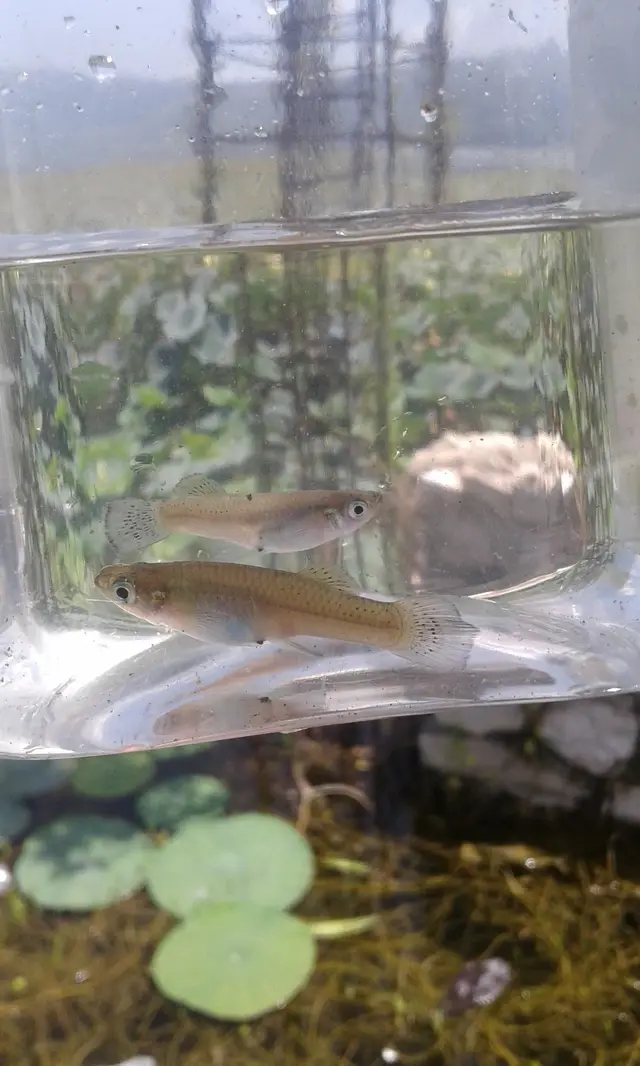
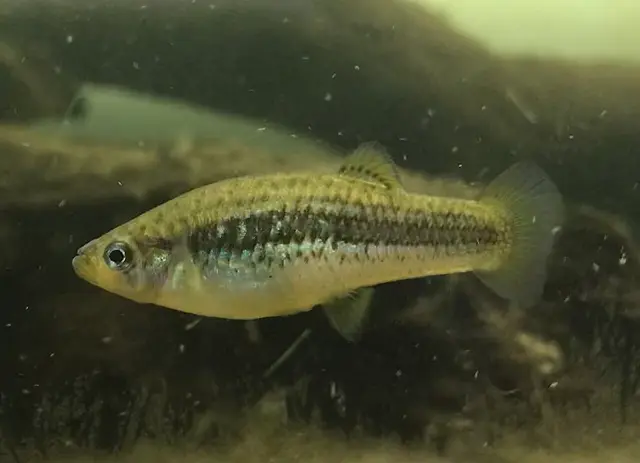
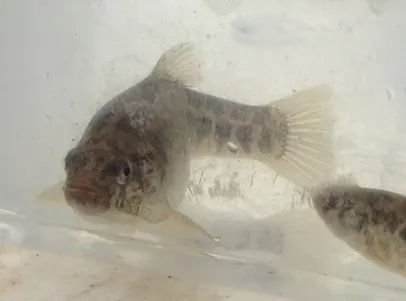
This species has a dorsally flattened head and a mouth that is significantly angled upwards as the lower jaw is protruding. The color of a Pecos gambusia is a light reddish-brown with a lighter abdomen. The broadly rounded caudal fin has few or no small spots.
Males can reach a maximum length of 32 mm (1.2 in), while females may exceed 60 mm (2.36 in).
Range and habitat
The Pecos gambusia is endemic to the Pecos River basin in southeastern New Mexico and western Texas. The species inhabits the springs and spring systems. Historically, it inhabited Comanche Springs and Leon Springs drainages of Texas near Fort Stockton as well as a chain of springs within the Toyah drainage.
Several reintroduction projects have been done to try and establish additional populations of the species but have been met with very limited success.
Pins are Wikidata “endemic to” fields. Orange dots, when present, are GBIF occurrence tiles — survey bias included.
Diet and breeding
Pecos gambusia feed on insects found in the top half of the water column, most commonly on the surface. Corixidae and Culicidae are the most common sources of food, but they will prey on insects of a sufficient size.
Breeding season is typically from April through August, females typically have one to four broods during this time with an average of around 38 embryos.
In crisis
The fish are omnivorous, eating algae and small invertebrates, and are endangered due to loss of their spring-fed desert habitat. Pecos gambusia is currently listed on the IUCN Red List as endangered and was first federally listed as an endangered species by the U.S. The western mosquitofish and largespring gambusia, both of that are of the Gambusia genus and often found in similar habitats, bring about problems of hybridization that are of significant concern to Pecos populations due to loss of genetic variation.
Recovery plans have shifted towards keeping current populations secure and stable. A recovery plan for the species was last made in 1983.
Pecos gambusia is Endangered on the IUCN Red List (assessed 2013, criteria B1ab(iii)+2ab(iii)). Confirm the official criteria and any later count on the assessment page.
Sources
Adapted from the English Wikipedia article on Pecos gambusia (CC BY-SA 4.0; authors are listed in the article history; changes were made), Wikidata item Q302443. Family and order context is original field-guide writing about the group, not a copied assessment of this one species. Not an IUCN assessment. Counts, when quoted, can change — confirm them on the recovery programme and on iucnredlist.org. Status and assessment year: IUCN. 2026. The IUCN Red List of Threatened Species. Version 2026-1. iucnredlist.org.