Endangered
Cuatro Cienegas shiner
Cyprinella xanthicara
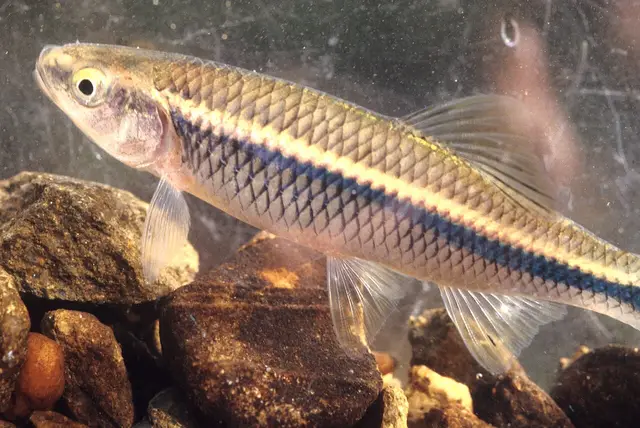
The Cuatro Cienegas shiner (Cyprinella xanthicara) is a small freshwater minnow found only in the springs and streams of the Cuatro Cienegas basin in Coahuila, northern Mexico. The IUCN Red List classed it as Endangered in 2019, with a decreasing population, because the water it depends on is being drawn down.
Where it lives
This shiner belongs to the minnow family Leuciscidae and was formally described in 1969 by W. L. Minckley and Lytle, originally under the genus name Notropis. It is endemic to Mexico, and within Mexico it is known only from Coahuila, in the Cuatro Cienegas basin of the Chihuahuan Desert.
The IUCN lists two main habitats for the species: freshwater springs and oases, and permanent rivers and streams. It does not migrate. The Red List counts its range as between one and five locations.
Pins are Wikidata “endemic to” fields. Orange dots, when present, are GBIF occurrence tiles — survey bias included.
Its place in the basin
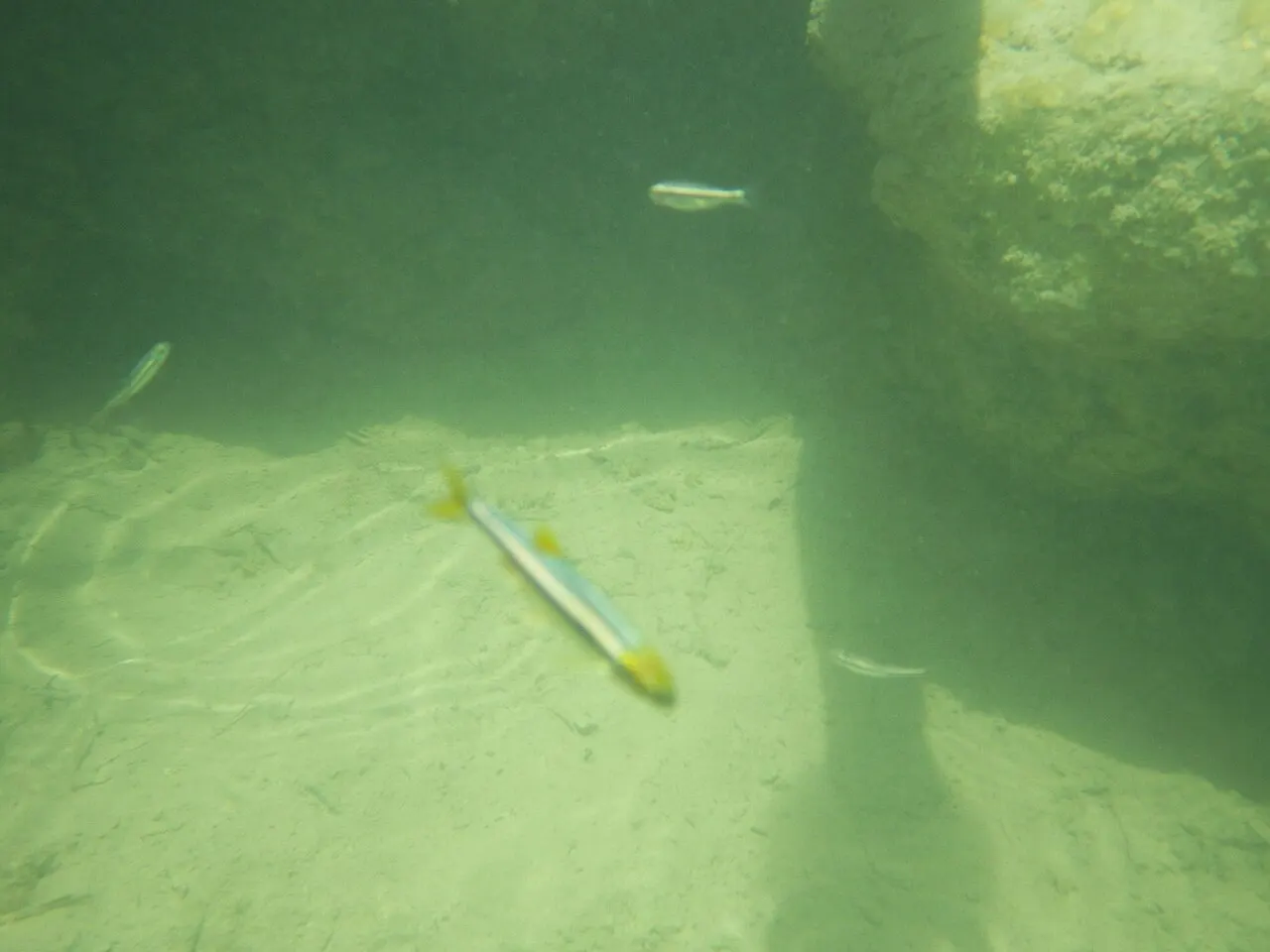
Cuatro Cienegas is a desert oasis of springs, streams and ponds. Eight fish are endemic to the reserve, along with endemic turtles, snails and crustaceans. The shiner shares the water with relatives such as the Cuatro Cienegas pupfish and the tufa darter.
Mexico protects the basin as a flora and fauna protection area, and it became a Ramsar wetland in 1995. The IUCN estimates that 91 to 100 percent of the shiner's population lives inside a protected area.
Why it is in trouble
The main threat is groundwater pumping for farming. The IUCN rates it as affecting the whole population (more than 90 percent) and driving rapid declines, and it also lists surface water abstraction for agriculture. Research on the aquifer has found that it extends into neighbouring valleys, so pumping there can matter too.
The clearest warning came at Churince, a system about 3 km long. Irrigation canals built in the mid-1960s started its slow decline, and heavy pumping in the adjacent Hundido Valley then sped the collapse. In October 2011 researchers reported that about a third of the basin's roughly 300 ponds had dried, including the large Churince pond. They named the Cuatro Cienegas shiner as one of two endemic fish lost along with them. The pumping was mostly for alfalfa grown for dairy cattle.
The assessment also names the giant reed (Arundo donax), an invasive plant, as a threat, though its effect on the fish is not quantified.
What is being done
The IUCN recommends site and habitat protection and further research on the shiner's threats, ecology and population trends. It records that no species recovery plan and no systematic monitoring scheme exist, and that 91 to 100 percent of the population lives inside a protected area.
A private reserve in the basin, Pozas Azules, owned by the group Pronatura Noreste, works on removing invasive species and promoting water-efficient farming.
Sources
Written for this catalog in our own words from the sources below, checked against them on 12 November 2026. Population figures are estimates and carry the year they were made. Status and assessment year: IUCN. 2026. The IUCN Red List of Threatened Species. Version 2026-1. iucnredlist.org.