Endangered
Cuatro Cienegas pupfish
Cyprinodon bifasciatus
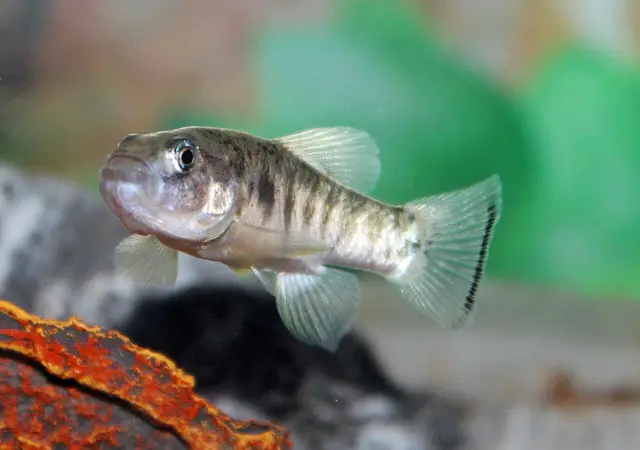
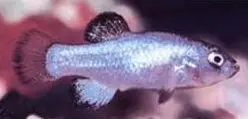
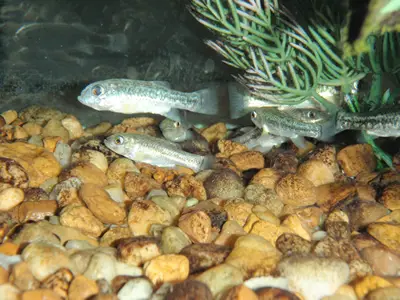
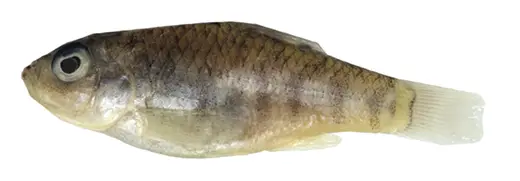
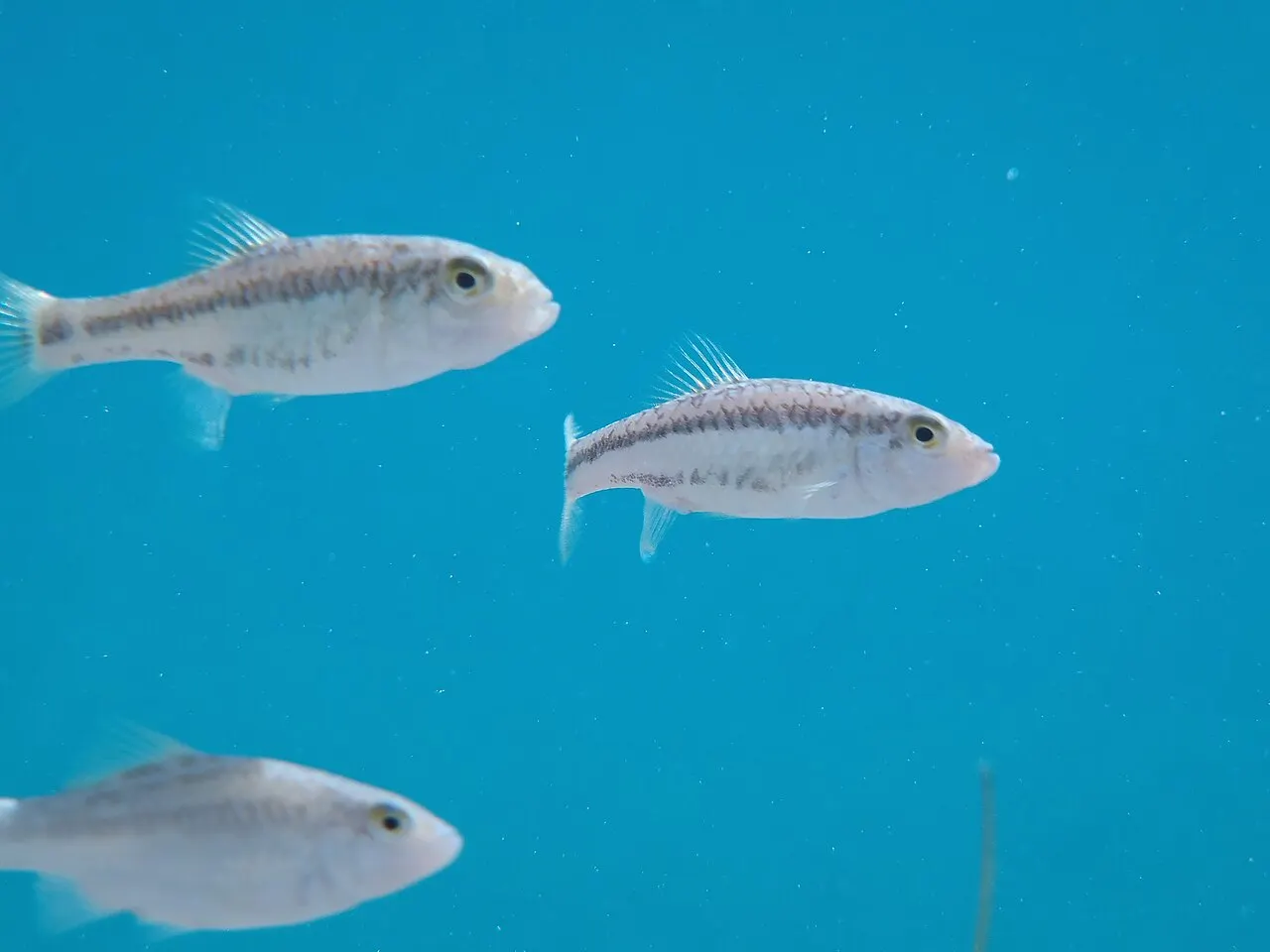
The Cuatro Cienegas pupfish (Cyprinodon bifasciatus) is a small fish living only in the springs and pools of the Cuatro Ciénegas basin in Coahuila, northern Mexico. The IUCN Red List rated it Endangered in 2019. An introduced African cichlid and water extraction are the main worries.
How to recognise it
It's a pupfish, one of the small, stocky fishes of the family Cyprinodontidae. Males reach about 6 cm in total length, according to FishBase.
American ichthyologist Robert Rush Miller described it in 1968. The type locality is the Río Puente Colorado, about 11 km south of the town of Cuatro Ciénegas.
Where it lives
The species is endemic to the Cuatro Ciénegas springs in Coahuila. The IUCN lists it from 2 to 5 locations, with an extent of occurrence of 95 to 120 square km. Its habitats are freshwater springs and geothermal wetlands, and it doesn't migrate.
Cuatro Ciénegas is a desert basin with no natural outlet, fed by springs. It became a Ramsar wetland on 22 June 1995. Eight fishes are endemic to the basin, the Bolson pupfish (Cyprinodon atrorus) among them.
Pins are Wikidata “endemic to” fields. Orange dots, when present, are GBIF occurrence tiles — survey bias included.
Why it is in trouble
The assessment names the spotted jewelfish (Hemichromis guttatus), an African cichlid, as the only invasive species scored as a threat. It was introduced to the valley by unknown people. In Poza San José del Anteojo, a pool where it had replaced the native fishes, researchers trapped it out between 2000 and 2002.
Use of groundwater and surface water for farming is also listed, though its impact is unscored. Scientists and residents report lower spring discharge in the basin, though the changes are poorly documented. Hydrogeological work suggests farming in neighbouring valleys that share the aquifer could affect it. The IUCN gives the population trend as decreasing.
What is being done
Between 91 and 100 percent of the population lies inside a protected area. Resource and habitat protection and site protection are the listed conservation actions. No systematic monitoring scheme exists, and it is unknown whether a recovery plan is in place.
Jewelfish can sometimes be removed. In the Anteojo pool, a 2002 conference abstract by Lozano-Vilano and colleagues reports that catches of jewelfish fell from 3,041 in May 2000 to four in April 2002, after which native fishes were restocked and were abundant by August 2002. Whether basin-wide control works has not been shown.
Sources
Written for this catalog in our own words from the sources below, checked against them on 12 November 2026. Population figures are estimates and carry the year they were made. Status and assessment year: IUCN. 2026. The IUCN Red List of Threatened Species. Version 2026-1. iucnredlist.org.