Critically Endangered
Bolitoglossa centenorum
Bolitoglossa centenorum
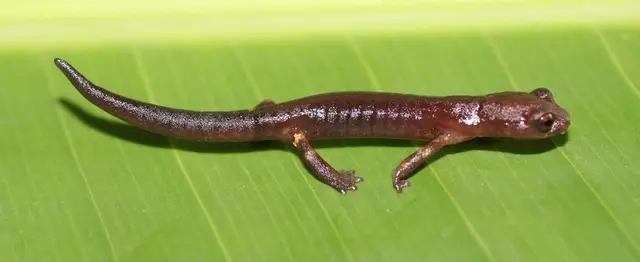
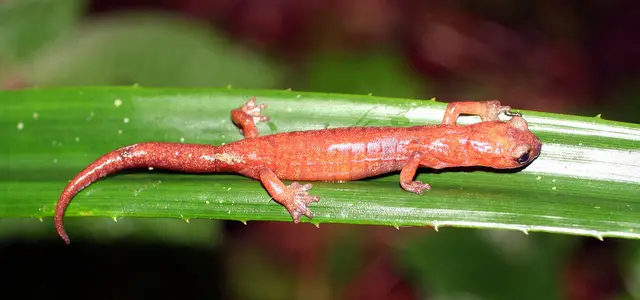
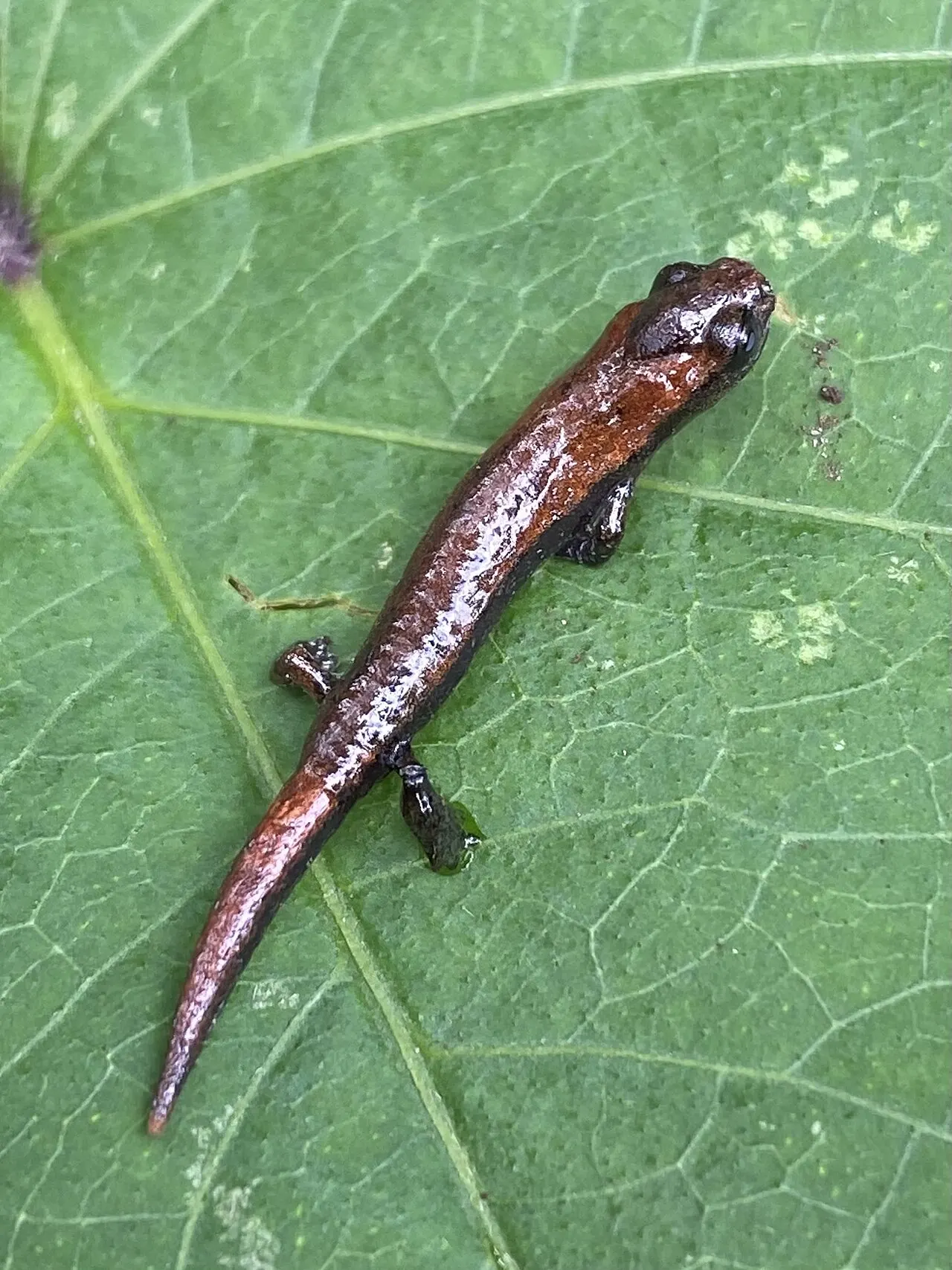
Bolitoglossa centenorum is a lungless salamander found only in the highlands of Guatemala, in the Sierra de los Cuchumatanes, and known from a single location. Adults reach about 6 cm from snout to vent. The IUCN Red List rated it Critically Endangered in 2021 because it lives in one small, shrinking area.
How to recognise it
This is a mushroomtongue salamander in the family Plethodontidae. Like other members of the family it has no lungs and breathes through its skin and the lining of its mouth, which is why it needs to stay damp. Adults measure about 6 cm from snout to vent, not counting the tail.
Campbell, Smith, Streicher, Acevedo and Brodie described the species in 2010. It is also known by the common name Centeno mushroomtongue salamander. Its colouring has not been described in the sources available.
Where it lives
The species is known only from the type locality near San Mateo Ixtatán in the Sierra de los Cuchumatanes, reportedly on Cerro Bobic (also spelled Babic) at about 3,250 m. The IUCN gives its elevation range as 2,864 to 3,250 m and counts a single location, with an estimated range of about 15 square kilometres. Its habitat is tropical and subtropical moist montane forest.
It is endemic to Guatemala. Members of the original specimen series were found under rotting logs.
Pins are Wikidata “endemic to” fields. Orange dots, when present, are GBIF occurrence tiles — survey bias included.
Why it is in trouble
The Red List assessment (made in 2019, published in 2021) rated it Critically Endangered under criterion B1ab(iii), which applies to a very small range that is shrinking in quality. It records a decreasing population and continuing decline in habitat area. No population size has been estimated.
The IUCN scores every current threat as low impact. They include small-scale farming and grazing, drought, accidental harm from small-scale harvesting, and persecution or control of animals. A salamander-killing fungus, Batrachochytrium salamandrivorans, is named as a future concern and scored as negligible for now. The species is not known to occur inside any protected area.
What is being done
The IUCN lists site protection, habitat protection, awareness and communication, and control of problem species among the conservation actions identified for it. Recent local education and awareness programmes are recorded as in place. Research on its population size and distribution, its life history and ecology, and its threats is listed as needed.
Sources
Written for this catalog in our own words from the sources below, checked against them on 12 November 2026. Population figures are estimates and carry the year they were made. Status and assessment year: IUCN. 2026. The IUCN Red List of Threatened Species. Version 2026-1. iucnredlist.org.