Endangered
Bokermann's Nectar Bat
Lonchophylla bokermanni
Bokermann's nectar bat (Lonchophylla bokermanni) is a nectar-feeding bat found only in Brazil, in the cerrado of Minas Gerais. The IUCN Red List rated it Endangered in 2016. It is known from just a few localities, and its habitat is shrinking.
How to recognise it
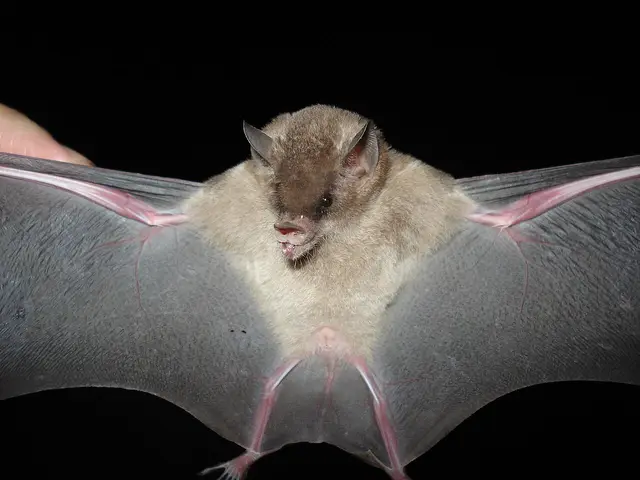
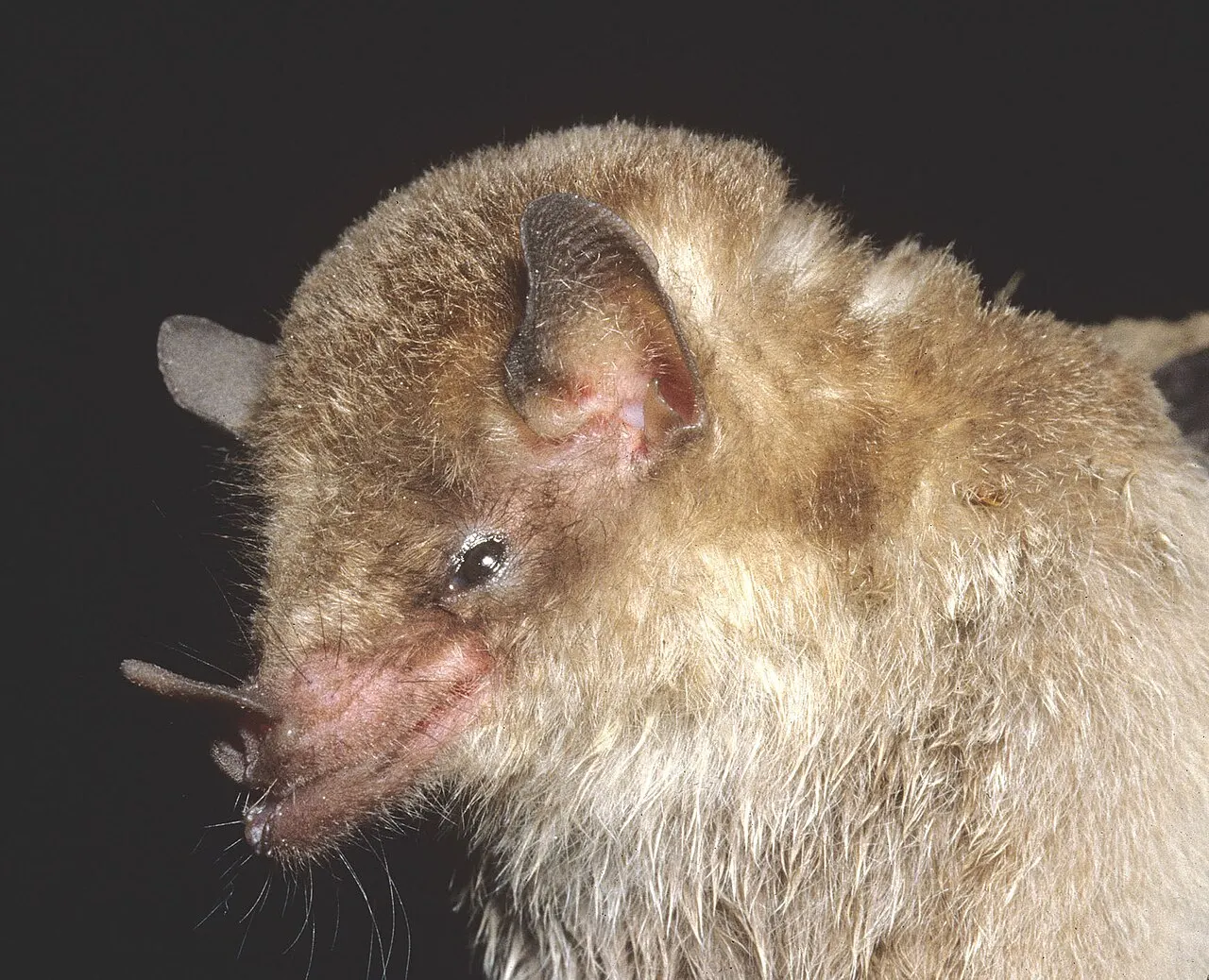
This is the largest bat in its genus, though still small: forearm 38.7 to 41.3 mm, body length 60 to 65 mm, wingspan about 28 cm and weight around 12 g. The fur is dense and soft, yellowish brown to grayish brown on the back and paler ash gray underneath.
Wing membranes are dark and hairless. The ears are short, broad and rounded, the nose-leaf is small, and the lower lip is furrowed with four to six warts. A long tongue with papillae at the tip is used to lap nectar.
Where it lives
The species is endemic to Brazil. Ivan and Marlies Sazima found it in 1974 in Serra do Cipo National Park, Minas Gerais, and it was described in 1978. It has been confirmed at only a few sites in that state: Jaboticatubas, Itambe do Mato Dentro and Diamantina.
Its range used to look wider. A 2010 record from the Atlantic Forest seemed to extend it, but a 2013 analysis showed those bats belong to a separate species, Peracchi's nectar bat. That left this one less widespread than thought, which helped drive the 2016 change in status. The IUCN puts the extent of occurrence at about 1,506 km2 and lists moist and dry savanna and tropical dry forest as habitat.
Pins are Wikidata “endemic to” fields. Orange dots, when present, are GBIF occurrence tiles — survey bias included.
How it lives
It feeds on nectar, hovering at a flower for only a fraction of a second before moving on. Flowers of the bromeliad Encholirium glaziovii and of Bauhinia are known food, and pollen and ants have also been found in stomachs. Bats forage alone, resting for 5 to 30 minutes on short trees between feeding bouts, and may make short migrations as food supplies change.
Why it is in trouble
Few sites, a small range and shrinking habitat make up the case for Endangered. The IUCN records that the population is severely fragmented and that the area of habitat is still declining, with conversion and degradation of ecosystems as the stresses. No population size is given and the trend is listed as unknown.
What is being done
The IUCN lists site protection and site management among the conservation actions. The discovery locality, Serra do Cipo, is a national park, though sources do not say how many of these bats live inside it.
Sources
Written for this catalog in our own words from the sources below, checked against them on 12 November 2026. Population figures are estimates and carry the year they were made. Status and assessment year: IUCN. 2026. The IUCN Red List of Threatened Species. Version 2026-1. iucnredlist.org.