Endangered
Astylosternus ranoides
Astylosternus ranoides
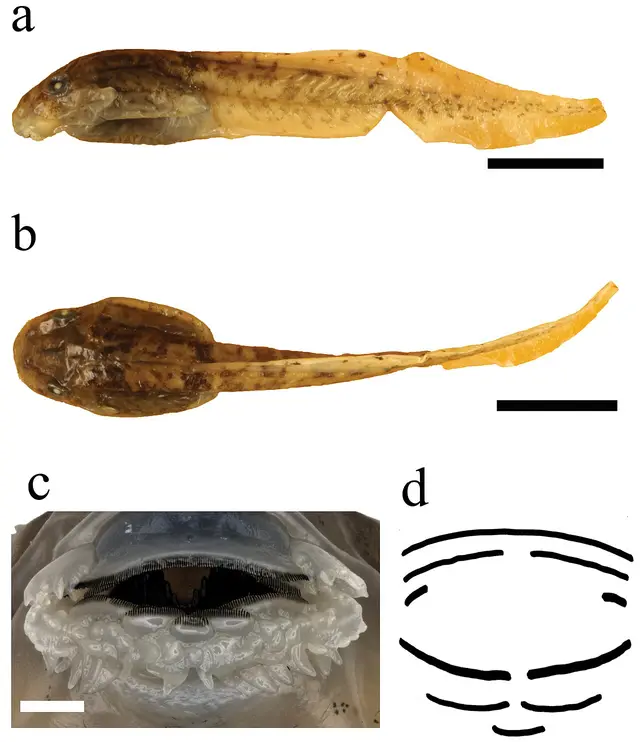
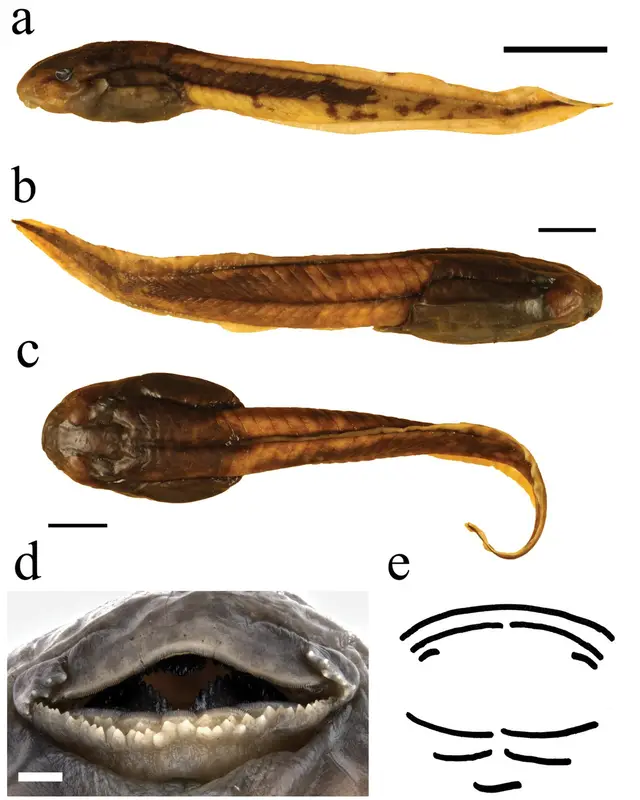
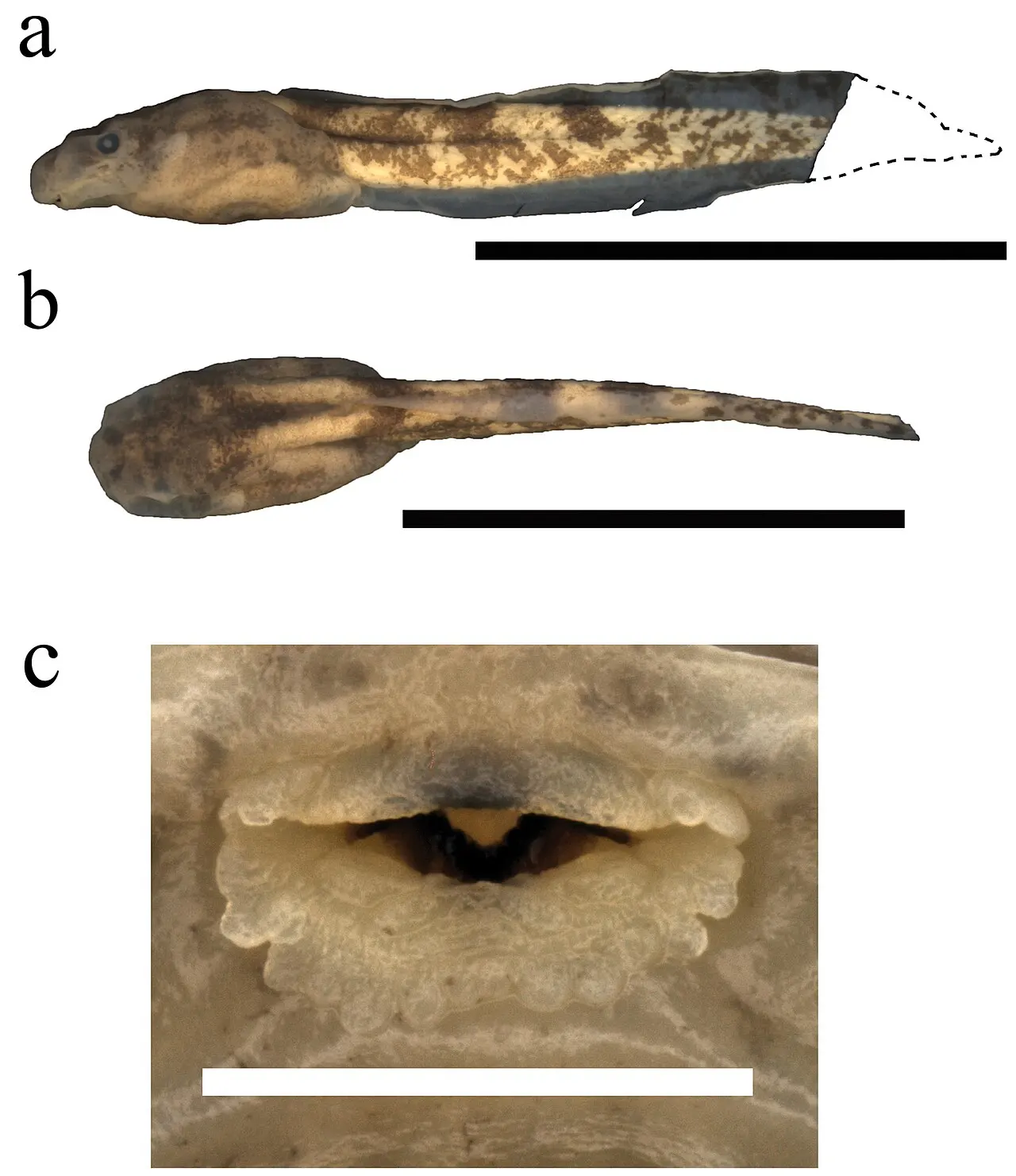
The Central Night Frog, Astylosternus ranoides, is a frog found only in the high mountains of western Cameroon, in cool forest, grassland, marsh and streams at roughly 2,000 to 2,600 metres. The IUCN Red List lists it as Endangered (2015) because its mountain habitat is shrinking and breaking up.
How to recognise it
It's a frog in the family Arthroleptidae, the group that includes the African hairy frogs and night frogs. The species was described by Jean-Louis Amiet in the late 1970s. Little else about its appearance and habits is available in published sources.
Where it lives
It lives nowhere outside Cameroon. Its range sits on the Cameroon highlands, and it has been recorded on Mount Bamboutos. The Red List puts its whole extent of occurrence at about 2,452 square kilometres and describes the population as severely fragmented.
The habitat is a mix of moist montane forest, high-altitude shrubland and grassland, marshes and swamps, and permanent streams and lakes. Elevation runs from about 2,000 to 2,600 metres.
Pins are Wikidata “endemic to” fields. Orange dots, when present, are GBIF occurrence tiles — survey bias included.
Why it is in trouble
The Red List names small-holder farming, grazing, spreading housing, soil erosion, pesticides and herbicides, and temperature extremes as threats, and records a continuing decline in the area it occupies.
On Mount Bamboutos, which has no official protection, surveys carried out between 2014 and 2016 were reported in Oryx in 2019. The frog was more common in forest than in cultivated land and was rarely found in pasture. The study estimated that 69 percent of the mountain's 16 known amphibian species are threatened, and six species recorded in earlier years were not found. Forest is being cleared for cash crops, and pesticides, water diversion and livestock grazing add to the pressure.
What is being done
The species occurs in at least one protected area, and the Red List lists site management and habitat protection as the actions needed. The Bamboutos study recommended a protected area that consolidates the remaining forest, with local communities involved and more sustainable farming. The assessment records no species recovery plan or captive breeding programme.
Sources
Written for this catalog in our own words from the sources below, checked against them on 12 November 2026. Population figures are estimates and carry the year they were made. Status and assessment year: IUCN. 2026. The IUCN Red List of Threatened Species. Version 2026-1. iucnredlist.org.