Critically Endangered
Anatolichthys danfordii
Aphanius danfordii
The Kızılırmak toothcarp (Aphanius danfordii, also placed in Anatolichthys), or Sultan Sazlığı toothcarp, is a tiny killifish found only in central Turkey. It now survives in a few spots in the Sultan Sazlığı marshes. The IUCN Red List rated it Critically Endangered, most recently in 2026.
How to recognise it
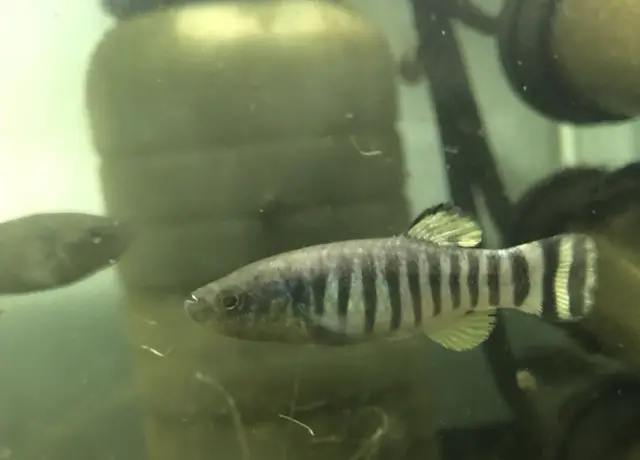
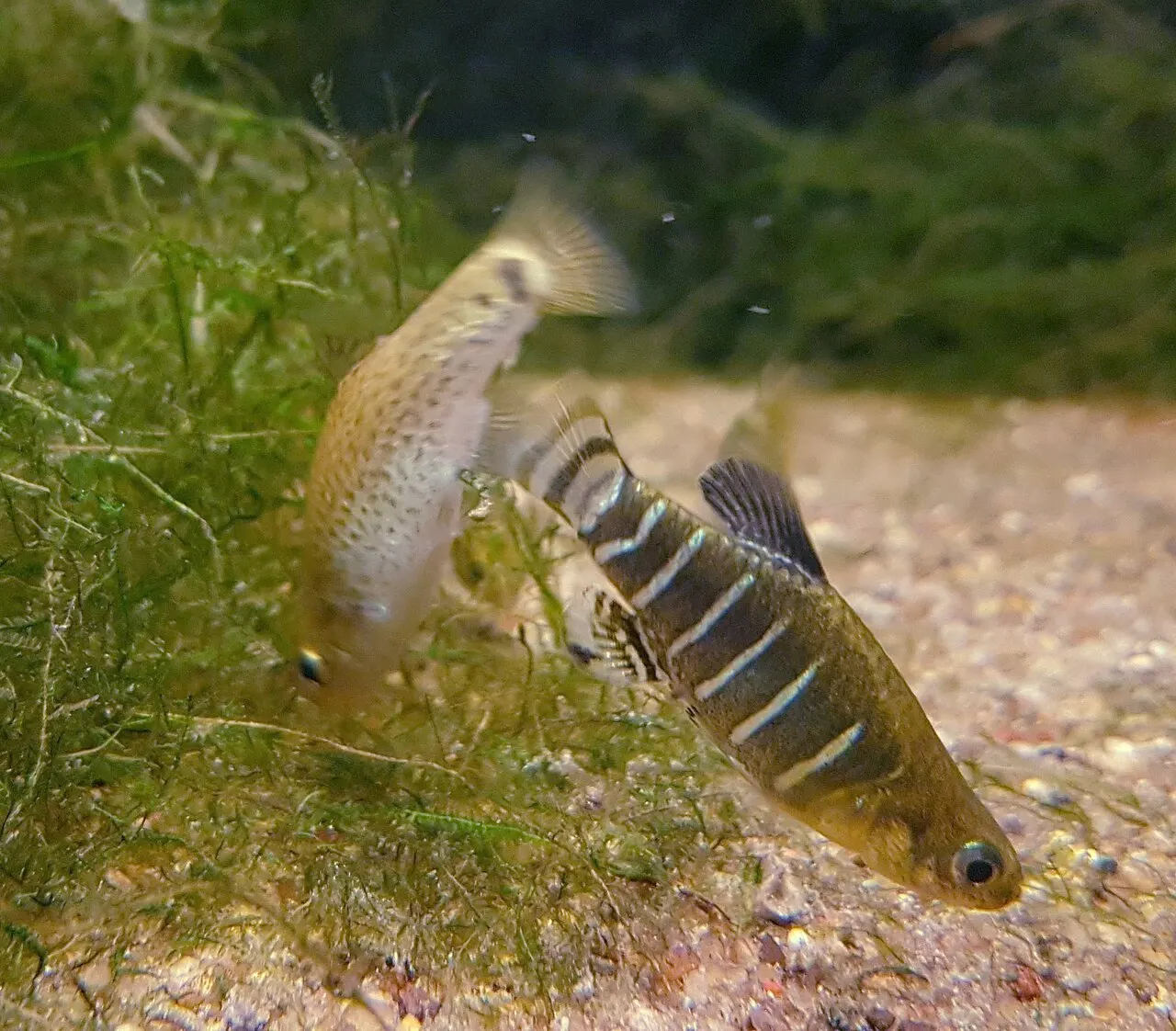
It's a very small fish, up to about 5 cm long. The sexes look different. Males have nine to twelve dark grey-black bars along the sides and a dark blue-black dorsal fin, and their tail and anal fins are colourless to yellow with two or three black edge lines. Females are silver-grey with many dark spots, the largest at the base of the tail, and all of their fins are clear.
Where it lives
The species is endemic to Turkey. It was described by George Boulenger in 1890 and has been reported from the Kızılırmak river drainage and the upper Seyhan drainage, though the exact range needs more study. Today it is restricted to a few locations in the Sultan Sazlığı marshes, in the Develi depression, and the IUCN counts a single location. The IUCN counts a single location.
It lives in small springs, marshes, swamps and still stretches of streams. The IUCN habitat list gives freshwater springs and small permanent freshwater pools. The IUCN habitat list gives freshwater springs and small permanent freshwater pools.
Pins are Wikidata “endemic to” fields. Orange dots, when present, are GBIF occurrence tiles — survey bias included.
How it lives
It isn't a seasonal killifish, meaning it doesn't depend on eggs surviving a dry season the way some relatives do. Spawning runs from May to the end of August. Females lay sticky eggs in small batches on aquatic plants. Fish can live up to about five years, and FishBase rates the species' resilience as high, with a population able to double in under 15 months when conditions allow.
Why it is in trouble
Water is the problem. The marshes are drying because water is drawn off for farming, and the IUCN assessment lists surface and groundwater abstraction for both household and agricultural use, droughts and small dams. Sewage, nutrient run-off and pesticides add to the pressure, along with an unspecified invasive species. The IUCN trend is decreasing and the population is listed as continuing to decline, although data are limited.
Because the fish lives in a single location, a bad dry spell or further drainage could remove it from the wild altogether. Specific numbers on how many fish remain are not available. The IUCN lists awareness work, habitat protection, site management and national and regional action among the measures in place or needed.
What is being done
The assessment lists awareness work, national and regional action, habitat protection and site management as actions in place or needed. Specific numbers on how many fish remain are not available.
Sources
Written for this catalog in our own words from the sources below, checked against them on 12 November 2026. Population figures are estimates and carry the year they were made. Status and assessment year: IUCN. 2026. The IUCN Red List of Threatened Species. Version 2026-1. iucnredlist.org.