Syria
2 catalog pins
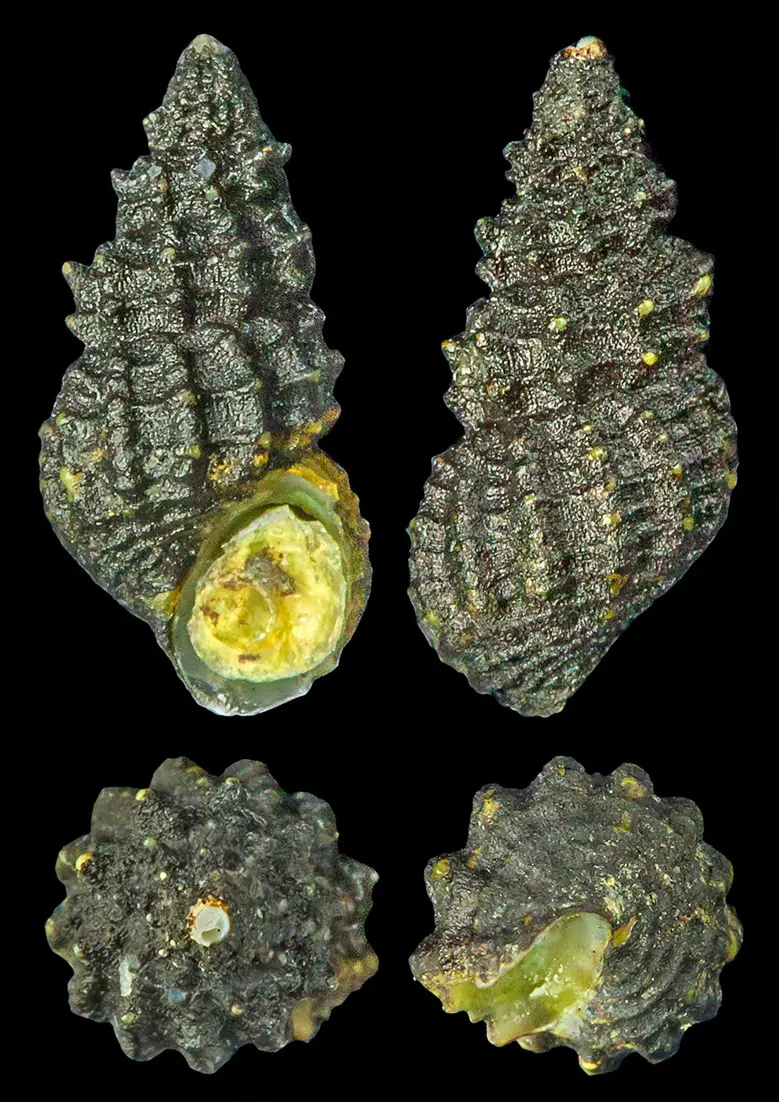
2 animals in this catalog carry a structured country pin for Syria. That is a filing fact, not a claim that the crisis is only here.
The photograph is one of those animals: Armed Cinderella Snail. Open a dossier for the text, the status, and the map. Use the world map to jump to another country. Confirm official distributions on the Red List.
Syria sits at the eastern end of the Mediterranean. The coast has up to about 1,000 millimetres of rain a year, with evergreen oaks and Aleppo pines in the western forests. The steppe receives 250 to 500 millimetres, and the desert less than 130 millimetres.
A 1998 national study, summarised in the Convention on Biological Diversity profile, counted 3,100 flowering plants, 330 of them endemic, along with 124 mammals, 360 birds, 127 reptiles and 16 amphibians. Those figures date from 1998, and the profile is a draft.
Where the pressure comes from
The national profile lists agricultural and urban expansion, forest fires and fragmentation, wood cutting, charcoal production, overgrazing, illegal hunting and fishing, desertification and water depletion, among others. By one overview, forest fell from about a third of the country at the start of the twentieth century to about 3 percent.
The Asiatic lion, cheetah and leopard have died out in the country. Endangered breeding birds include the northern bald ibis, lesser kestrel and great bustard.
What is being done
The 2002 national strategy aimed to raise protected land from 1.28 percent to 10 percent of the total by 2015. Biodiversity considerations were written into the 2007 Forestry Law, though the profile says further mainstreaming is needed. Sabkhat al-Jabbul, a nature reserve visited by migrating greater flamingos, is one named protected site. No current protected-area figure is given in the sources.
Reading the catalog for Syria
Only two records appear in the catalog's list for Syria, so there is no dominant group. One is the golden hamster, the wild ancestor of pet hamsters. It lives in an arid region of northern Syria and southern Turkey, and the Red List classes it as Endangered. Habitat loss to agriculture and deliberate elimination by people have reduced numbers. A zoologist captured a mother and litter in Aleppo in 1930, and expeditions in September 1997 and March 1999 mapped 30 burrows. The other record is a snail in the family Desbruyeresiidae.
Sources for this section
- CBD country profile, Syria (draft): 1998 species counts, threats, 2002 strategy, 1.28% to 10%, 2007 Forestry Law
- Wildlife of Syria (Wikipedia): rainfall zones, oak and pine, forest decline, extinct cats, birds, Sabkhat al-Jabbul
- Golden hamster (Wikipedia): range, threats, 1930 capture, 1997 and 1999 expeditions, Endangered
What the catalog records for Syria
The catalog has 2 animals with a country pin for Syria: 2 Endangered. By GBIF class the largest groups are Gastropoda (1), Mammalia (1). The families with the most records are Desbruyeresiidae (1), Cricetidae (1). A pin means a structured source (Wikidata or a GBIF match) places the animal in Syria; it does not say the animal lives only there.
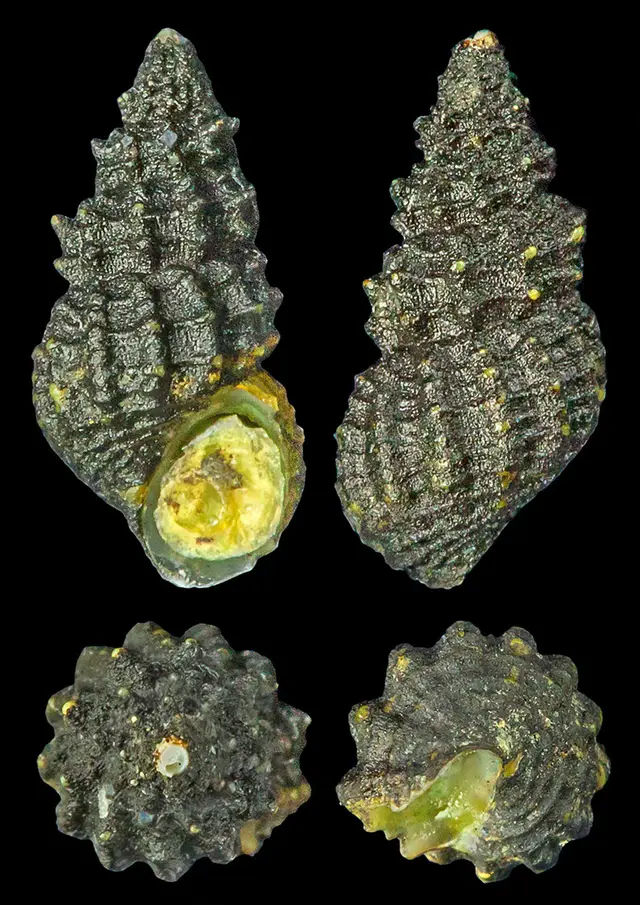
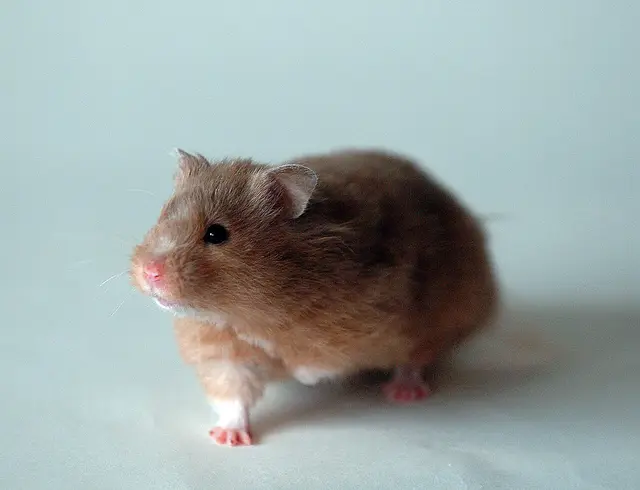
Total pins: 2.
Quick answers
- Do all these animals live only in Syria?
- No. A pin means a Wikidata place field resolved here. Official ranges can be wider.
- Is this a government list?
- No. It is a slice of this catalog.