Martinique
5 catalog pins
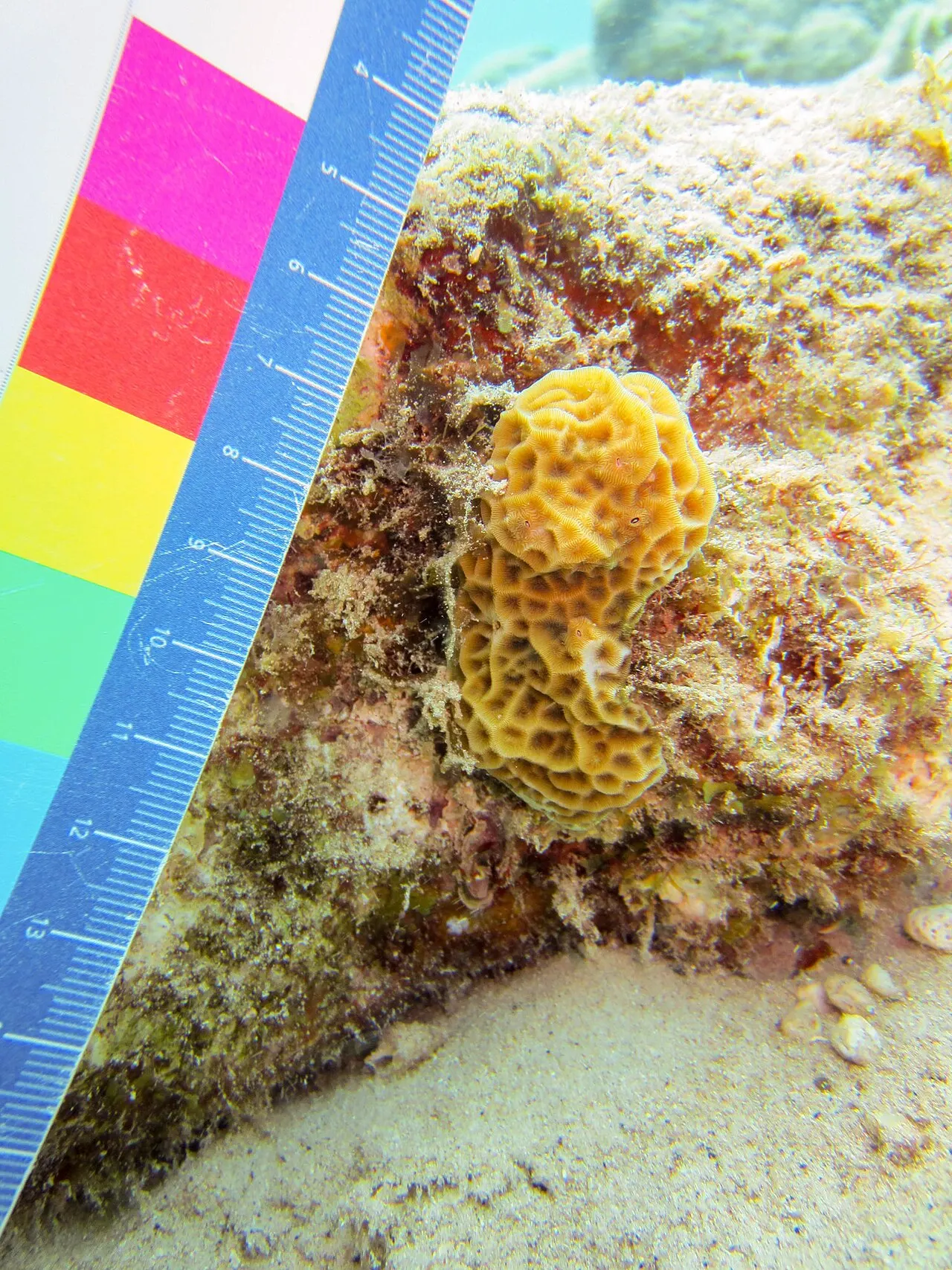
5 animals in this catalog carry a structured country pin for Martinique. That is a filing fact, not a claim that the crisis is only here.
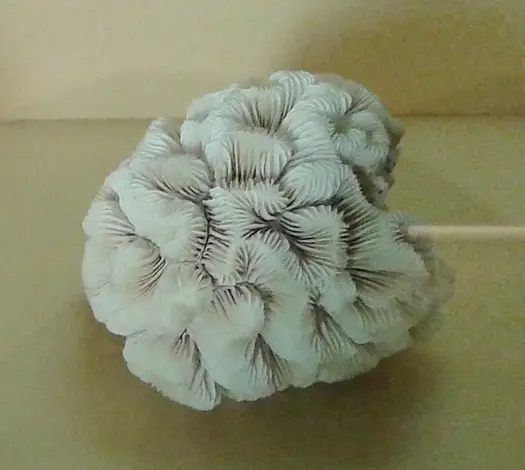
The photograph is one of those animals: Lowrelief Lettuce Coral. Open a dossier for the text, the status, and the map. Use the world map to jump to another country. Confirm official distributions on the Red List.
Martinique is a volcanic island in the Lesser Antilles, in the eastern Caribbean, and an overseas region of France, so the focus here is the island itself, not France as a whole. It spans 1,128 square kilometres, and its highest point is Mount Pelee at 1,397 metres. The 1902 eruption of Pelee destroyed the town of Saint-Pierre and killed about 30,000 people. The islands of the Lesser Antilles form a partly volcanic arc.
An IUCN evaluation of the northern forests counts 33 plant species endemic to Martinique, which is 4% of the flowering plants in that area. It also records 14 endemic land snails and 19 endemic arachnids. The outlook names the Martinique volcano frog and the Martinique lancehead snake among its threatened species.
Where the pressure comes from
The IUCN's 2025 outlook rates deforestation, invasive species and hunting (mainly of birds in the buffer zone) as high threats in the northern forests. Invaders include bamboo, Miconia, rats, cats, mongooses and raccoons. Hunting is illegal inside the World Heritage property, though indirect effects on the core area remain. A wind farm now operates under a night-time ban after a study found impacts on bats, and the trails see over 100,000 visitors a year, which causes erosion and litter.
Climate matters for the tiny volcano frog, whose adults measure under 20 millimetres. A 2011 search at its original site, about 500 metres up on Mount Pelee, found none, and it has since been recorded at roughly 800 to 1,400 metres. Climate change has removed it from the lower parts of its small range, and further shrinking is expected.
What is being done
UNESCO recognised the whole island, land and sea, as a Biosphere Reserve in 2021. In 2023 the volcanoes and forests of Mount Pelee and the northern Pitons were inscribed as a World Heritage Site. The IUCN's 2025 outlook rates the property's overall prospects as a significant concern, with its natural values at high concern and protection and management at some concern. About one fifth of the property is private land, and the outlook says much of it is affected by deforestation.
Reading the catalog for Martinique
The catalog's list for Martinique is very short: two corals, a frog, a land snail and a snake. That variety reflects a small island whose threatened wildlife spans reef, forest and ground. The volcano frog is the only amphibian listed. It is found nowhere but Martinique, so its pin marks its whole range.
Sources for this section
- Volcanoes and Forests of Mount Pelee and the Pitons of Northern Martinique, IUCN World Heritage Outlook: Endemic species counts, threats, 2023 inscription, 2025 outlook, private land, wind farm, visitor numbers
- Martinique, Wikipedia: Area, Mount Pelee height, 1902 eruption, 2021 biosphere reserve, 2023 World Heritage listing
- Allobates chalcopis, Wikipedia: Frog range, size, decline, 2011 search
- Lesser Antilles, Wikipedia: Volcanic island arc setting
What the catalog records for Martinique
The catalog has 5 animals with a country pin for Martinique: 4 Critically Endangered and 1 Endangered. By GBIF class the largest groups are Anthozoa (2), Amphibia (1), Gastropoda (1), Squamata (1). The families with the most records are Agariciidae (1), Aromobatidae (1), Helicidae (1). A pin means a structured source (Wikidata or a GBIF match) places the animal in Martinique; it does not say the animal lives only there.
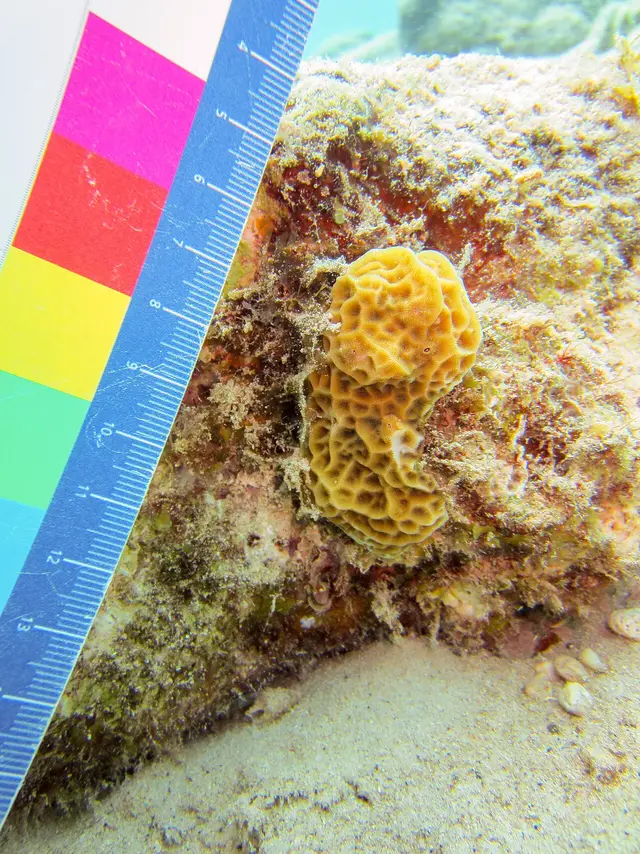 CR
Lowrelief Lettuce Coral
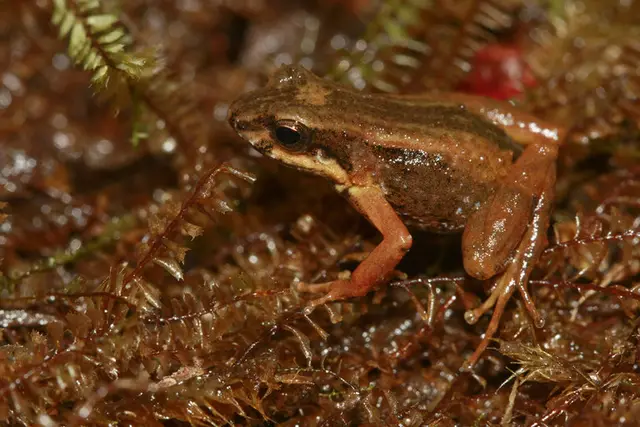 CR
Colostethus chalcopis
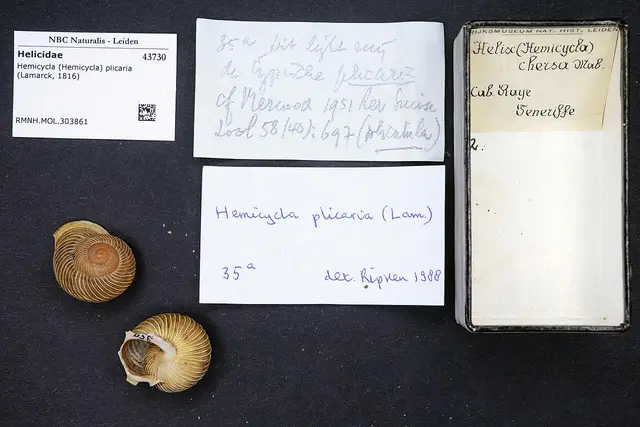 CR
Hemicycla plicaria
 CR
Brazilian maze coral
 EN
Bothrops lanceolatus
Total pins: 5.
Quick answers
- Do all these animals live only in Martinique?
- No. A pin means a Wikidata place field resolved here. Official ranges can be wider.
- Is this a government list?
- No. It is a slice of this catalog.