Israel
1 catalog pin
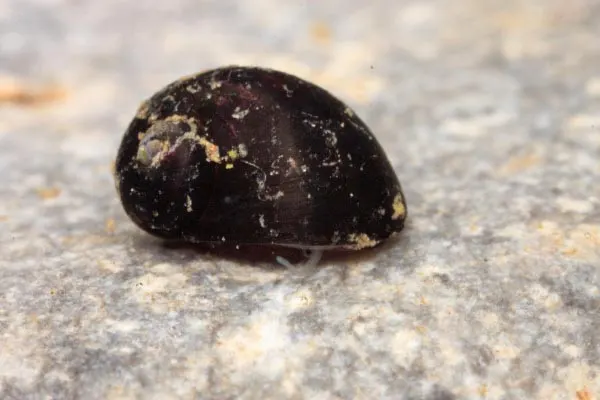
1 animals in this catalog carry a structured country pin for Israel. That is a filing fact, not a claim that the crisis is only here.
The photograph is one of those animals: Black Nerite. Open a dossier for the text, the status, and the map. Use the world map to jump to another country. Confirm official distributions on the Red List.
Israel is a small country where Mediterranean, desert and tropical influences meet. Its wildlife is diverse because it sits between temperate and tropical zones, with many Palearctic species stopping at the deserts and many African desert species stopping at the Mediterranean coast. Its CBD profile says it holds about 3.5% of the world's known species, helped by local ecotypes and populations living at the edge of their range.
Water is the thread running through its conservation story. In a dry region, wetlands are rare, and the profile links them to more than half of the vertebrate species and most of the invertebrates that have gone extinct in the country.
Where the pressure comes from
The CBD profile says development and population growth are the main drivers. About a fifth of original ecosystems has been converted to farmland, and agriculture uses 40% of the water supply. Inland water habitats are called among the most endangered ecosystems. Ephemeral pools, salt marshes and the Dead Sea system continue to degrade, largely because too much water is taken out.
The Hula Valley shows how this played out. The Jewish National Fund drained its lake and marsh between 1951 and 1958, mainly to fight malaria and gain farmland. Endemic fish such as the Hula bream were lost. The Hula painted frog, declared extinct in 1996, was rediscovered in 2011 and is now described as Critically Endangered.
What is being done
The Hula Nature Reserve opened in 1964 and was designated a Ramsar wetland of international importance in 1996. In the early 1990s heavy rains flooded part of the valley again, and planners chose to keep that area as Hula Lake Park. By 2008, declared nature reserves and national parks covered 20% of Israel's land, though the profile says some habitats are poorly represented. A 2004 amendment to the Water Law allocated 50 million cubic metres of water for wetland conservation and rehabilitation, and a national biodiversity plan was adopted in January 2010.
Streams that have been restored are reported to be improving, though the profile calls climate change and continued wetland drying major future threats.
Reading the catalog for Israel
Israel has a single record in the catalog, a freshwater snail in the family Neritidae (Theodoxus prevostianus) with Endangered status. A lone pin is a thin view of a country whose wetlands have lost so much, so it is best read alongside the water story above rather than as a measure of how many animals are at risk.
Sources for this section
- Israel country profile, CBD: 3.5% of species, ecosystem conversion, water use, wetland extinctions, 2004 Water Law, 2008 protected area share, 2010 plan
- Wildlife of Israel, Wikipedia: temperate and tropical zones, Palearctic and African species limits, Hula painted frog
- Hula Valley, Wikipedia: drainage 1951 to 1958, reserve 1964, Ramsar 1996, 1990s reflooding, endemic fish, frog rediscovery 2011
- Theodoxus prevostianus, Wikipedia: freshwater snail in family Neritidae
What the catalog records for Israel
The catalog has 1 animals with a country pin for Israel: 1 Endangered. By GBIF class the largest groups are Gastropoda (1). The families with the most records are Neritidae (1). A pin means a structured source (Wikidata or a GBIF match) places the animal in Israel; it does not say the animal lives only there.
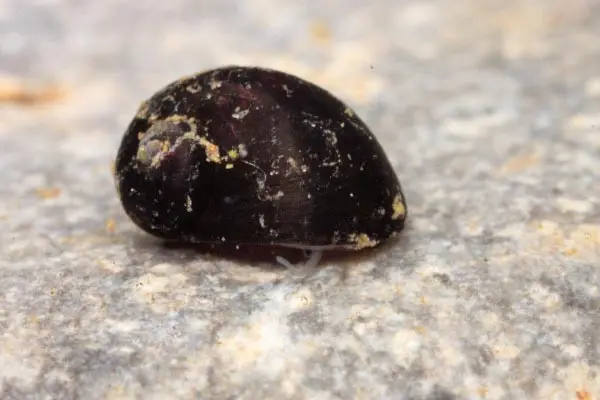
Total pins: 1.
Quick answers
- Do all these animals live only in Israel?
- No. A pin means a Wikidata place field resolved here. Official ranges can be wider.
- Is this a government list?
- No. It is a slice of this catalog.