Critically Endangered
Zaglossus attenboroughi
Zaglossus attenboroughi
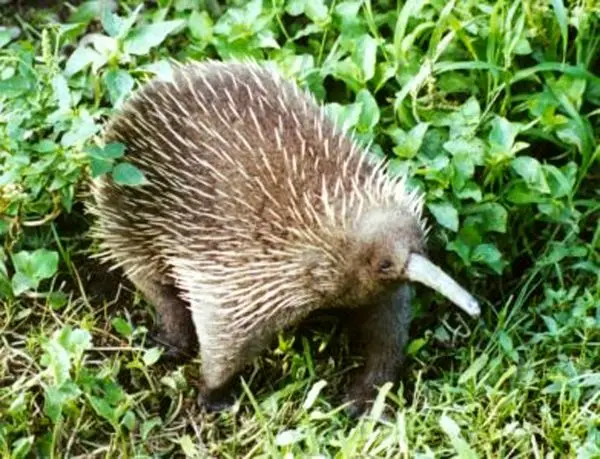
Zaglossus attenboroughi, also known as Attenborough's long-beaked echidna or locally as the payangko, is one of three species from the genus Zaglossus that inhabits the island of New Guinea.
Appearance
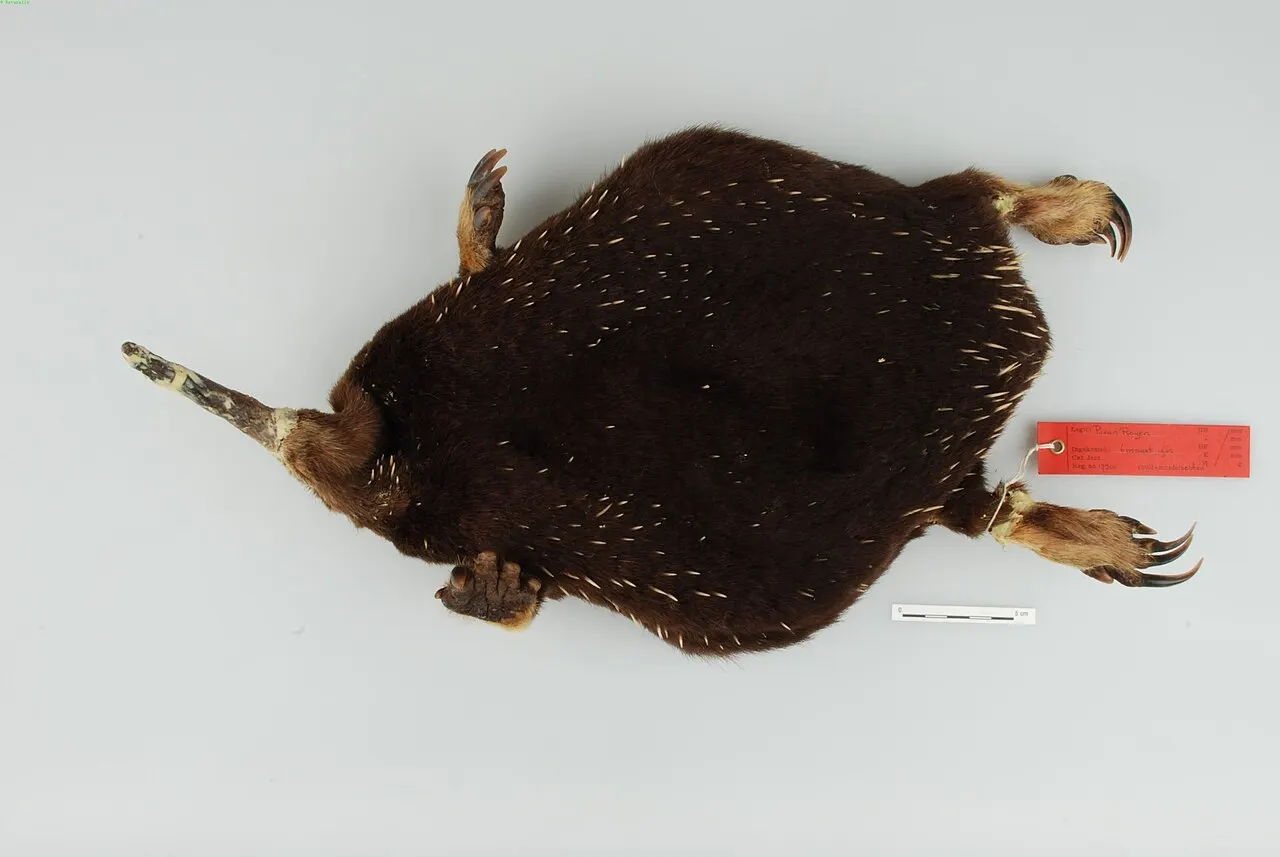
The species has five claws on each foot like the eastern long-beaked echidna, and has short, very fine and dense fur, reflecting its mountain-top habitat.
It is the smallest member of the genus Zaglossus, being closer in size to the short-beaked echidna (Tachyglossus aculeatus).
The weight of the type specimen when it was alive was estimated to be 2 to 3 kilograms (4.4 to 6.6 lb).
Range and habitat
Zaglossus attenboroughi, also known as Attenborough's long-beaked echidna or locally as the payangko, is one of three species from the genus Zaglossus that inhabits the island of New Guinea. It lives in the Cyclops Mountains near the northern coast of the island, that are near the cities of Sentani and Jayapura in the Indonesian province of Papua in Western New Guinea.
Pins are Wikidata “endemic to” fields. Orange dots, when present, are GBIF occurrence tiles — survey bias included.
In crisis
It is currently classified as critically endangered by the IUCN, and there had been no confirmed sightings between its initial collection in 1961 and November 2023, when the first video footage of a living individual was recorded. The ongoing anthropogenic disturbance of the Cyclops Mountain forest habitat is a threat to Z. Attenboroughi populations in the area, where the echidna is endangered by hunting and habitat loss. It was thought to be extinct until some of its "nose pokes" were found in the mountains of New Guinea during an expedition in 2007.
Z. Attenboroughi is classified as critically endangered by the IUCN. An educational campaign was initiated in local communities to educate the Papuan people about the endangered echidnas in an effort to stop the common tradition of hunting and killing the creature to share with rivals as a peace offering.
CITES lists this taxon on Appendix II. Confirm the current appendix on the CITES checklist.
Zaglossus attenboroughi is Critically Endangered on the IUCN Red List (assessed 2016, criteria B1ab(iii,v)+2ab(iii,v)). Confirm the official criteria and any later count on the assessment page.
Sources
Adapted from the English Wikipedia article on Zaglossus attenboroughi (CC BY-SA 4.0; authors are listed in the article history; changes were made), Wikidata item Q757942. Family and order context is original field-guide writing about the group, not a copied assessment of this one species. Not an IUCN assessment. Counts, when quoted, can change — confirm them on the recovery programme and on iucnredlist.org. Status and assessment year: IUCN. 2026. The IUCN Red List of Threatened Species. Version 2026-1. iucnredlist.org.