Endangered
Trechus terrabravensis
Trechus terrabravensis
Trechus terrabravensis is a tiny ground beetle found only in the humid native laurel forests of Terceira, in the Azores. It is known from just four locations covering about 32 square kilometres. The IUCN Red List rated it Endangered in 2018, and its small range is still shrinking.
How to recognise it
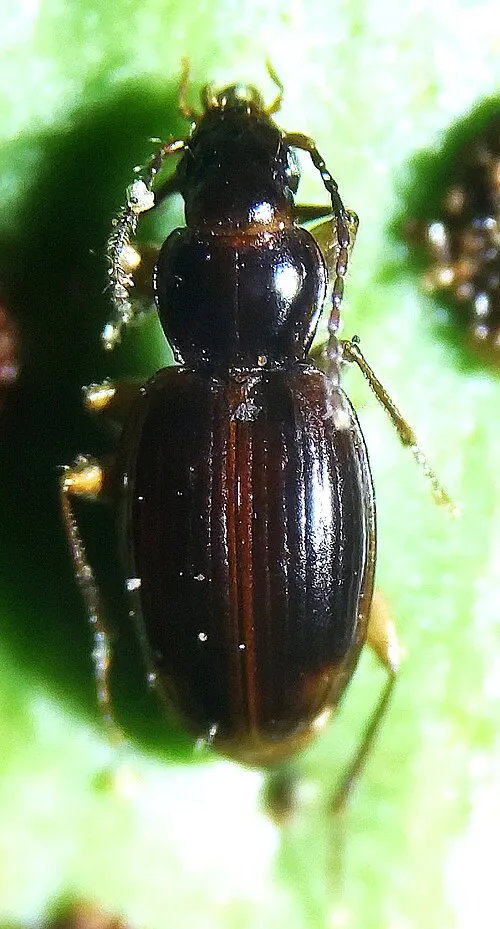
It is reportedly a ground beetle about 3.5 mm long, so small that most visitors to the forest would never notice it. It has no hind wings and cannot fly, though its wing covers are intact. Its eyes are well developed, and it is described as both a predator and a feeder on decaying matter.
Where it lives
The species is endemic to Terceira, in Portugal's Azores archipelago. Most Azorean Trechus beetles are cave dwellers, but this one lives on the surface, in humid native forest with Azores laurel, Azores juniper and Azores holly. It reportedly favours damp spots beneath a dense carpet of moss and ferns, often deep in holes and cracks.
It has been recorded between 500 and 1,000 m above sea level, in the Terceira Nature Park. Named sites include the Terra Brava reserve and the crater of the Serra de Santa Barbara. The IUCN counts four locations and estimates the area it occupies at only 32 square kilometres. GBIF holds about 190 records, nearly all Portuguese.
Pins are Wikidata “endemic to” fields. Orange dots, when present, are GBIF occurrence tiles — survey bias included.
Why it is in trouble
The Red List population trend is decreasing, and both the area it occupies and the number of locations are still shrinking. The threats it lists are small-holder plantations, invasive plant species, drought and future shifts or alteration of the habitat.
Native forest on Terceira has reportedly partly given way to plantations of Japanese cedar and eucalyptus, and invasive plants such as the ginger lily are said to be spreading through what remains.
What is being done
Between 91 and 100 percent of the population is estimated to lie inside protected areas, conservation sites have been identified across the whole range, and invasive species control is already in place.
The assessment lists habitat restoration, invasive species control, site management, awareness and education as actions needed, and asks for research on population size, life history, habitat trends and an area management plan.
Sources
Written for this catalog in our own words from the sources below, checked against them on 12 November 2026. Population figures are estimates and carry the year they were made. Status and assessment year: IUCN. 2026. The IUCN Red List of Threatened Species. Version 2026-1. iucnredlist.org.




