Endangered
Teleocichla cinderella
Teleocichla cinderella
Teleocichla cinderella is a small, slim cichlid from fast water in the lower Tocantins River basin in Brazil. The IUCN Red List lists it as Endangered (assessed 2022). It belongs to a genus tied to rapids, and the Tocantins has been heavily dammed.
How to recognise it
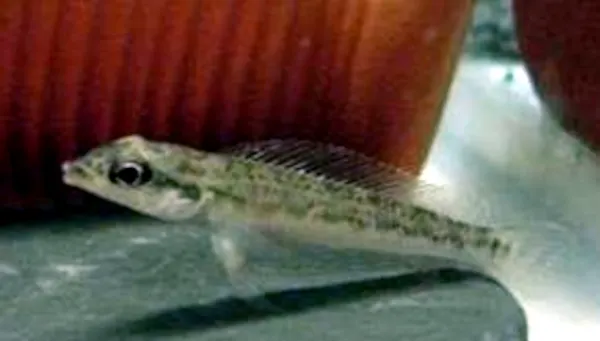
This is not the deep-bodied cichlid most people picture. Teleocichla species are slender, and this one has an elongated body and an underdeveloped swim bladder. At a glance it can pass for a goby or a gudgeon.
Reported sizes differ. FishBase gives a maximum of 14 centimetres in total length and also 5.4 centimetres in standard length for males or unsexed fish, which are different ways of measuring. The name cinderella is not for a person. FishBase says it refers to the fish's ashy black and grey skin.
Where it lives
The species is endemic to Brazil and known from the lower Tocantins basin, part of the Amazon drainage. The IUCN records it in the states of Pará and Tocantins. It lists the habitat as permanent rivers and streams, and counts only two locations, with an estimated area of occupancy of about 496 square kilometres.
It is classed as a rheophile, a fish adapted to flowing water. The genus as a whole lives in fast current such as rapids and cataracts. S. O. Kullander described the species in 1988 in the journal Copeia.
Pins are Wikidata “endemic to” fields. Orange dots, when present, are GBIF occurrence tiles — survey bias included.
Why it is in trouble
Dams are the main concern. The Tucuruí Dam on the lower Tocantins, completed in its first phase in 1984, has a reservoir of about 2,850 square kilometres, and several other hydroelectric dams sit on the same river. Fish that need flowing, oxygen-rich rapids lose them when a reservoir backs up behind a wall. No source checked measures the effect on this species directly.
The IUCN lists large dams, dams of unknown size and renewable energy development among the threats, along with large-scale harvest and unrecorded pressures. It says the population and its habitat area are still declining, though the overall population trend is unknown.
What is being done
The assessment lists resource and habitat protection as an action needed and records no conservation measures in place. Brazil reportedly lists the species as threatened.
Sources
Written for this catalog in our own words from the sources below, checked against them on 12 November 2026. Population figures are estimates and carry the year they were made. Status and assessment year: IUCN. 2026. The IUCN Red List of Threatened Species. Version 2026-1. iucnredlist.org.




