Endangered
Syncordulia serendipator
Syncordulia serendipator
The rustic presba (Syncordulia serendipator) is a glossy, dark dragonfly found only in a handful of clear mountain streams in South Africa's Western Cape. Described as new to science in 2007, it is classed as Endangered on the IUCN Red List (assessed 2018) because it lives at four sites and is sensitive to damaged habitat.
How to recognise it
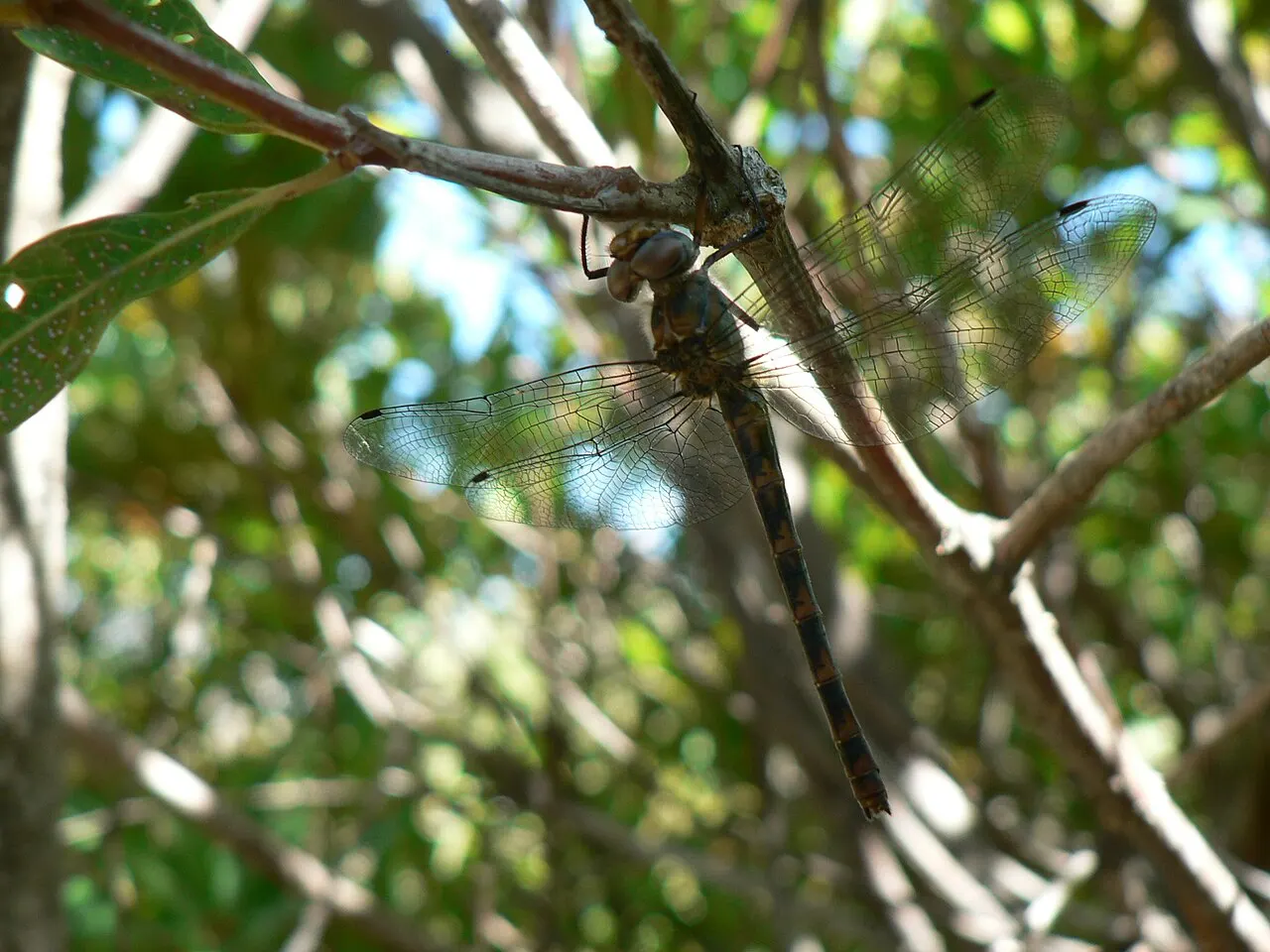
It is a medium to large dragonfly, up to about 52 mm long with a wingspan of up to 73 mm. The body is dark brown with yellow markings. The thorax is blackish with pale spots and long white hairs, and the abdomen is a glossy dark mahogany with paler bands at the front of each segment. The wings are clear with black veins and smoky near the base.
Compared with the similar yellow and gilded presbas, it is darker and glossier, its abdomen is patterned differently, and the male's claspers at the abdomen tip are short and broad rather than long. Females have a broader abdomen and a stronger amber wash in the wings.
Where it lives
The species is endemic to the south-western part of Western Cape province. Records run from the Riebeek-Kasteel area in the north to Kogelberg Nature Reserve in the south, and there are only a handful of sites. The IUCN counts four locations, an extent of occurrence of about 751 square kilometres, and an area of occupancy of about 20 square kilometres.
Its home is clear, flowing, permanent rivers and streams with rocky, boulder-strewn beds and pools, in mountain fynbos. It spends much of its time away from the water, hunting over the surrounding fynbos.
Pins are Wikidata “endemic to” fields. Orange dots, when present, are GBIF occurrence tiles — survey bias included.
How it lives
Adults fly from January to late April, later in the season than the other Syncordulia species. A 2009 molecular study in Zootaxa dated the genus to about 60 million years ago and noted that its species live at low densities in small areas. Details of the rustic presba's breeding and larvae are scarce.
Why it is in trouble
The rustic presba is intolerant of habitat degradation and has been recorded only in undamaged habitat. The IUCN lists the removal of river water for agriculture as an ongoing threat. Because the species lives at so few sites, damage to one stream could remove a large share of it.
The IUCN population trend is unknown. Older sources list the species as Vulnerable, but the 2018 assessment is Endangered. Recommended actions are site protection and awareness work.
Sources
Written for this catalog in our own words from the sources below, checked against them on 12 November 2026. Population figures are estimates and carry the year they were made. Status and assessment year: IUCN. 2026. The IUCN Red List of Threatened Species. Version 2026-1. iucnredlist.org.




