Endangered
Silonia childreni
Silonia childreni
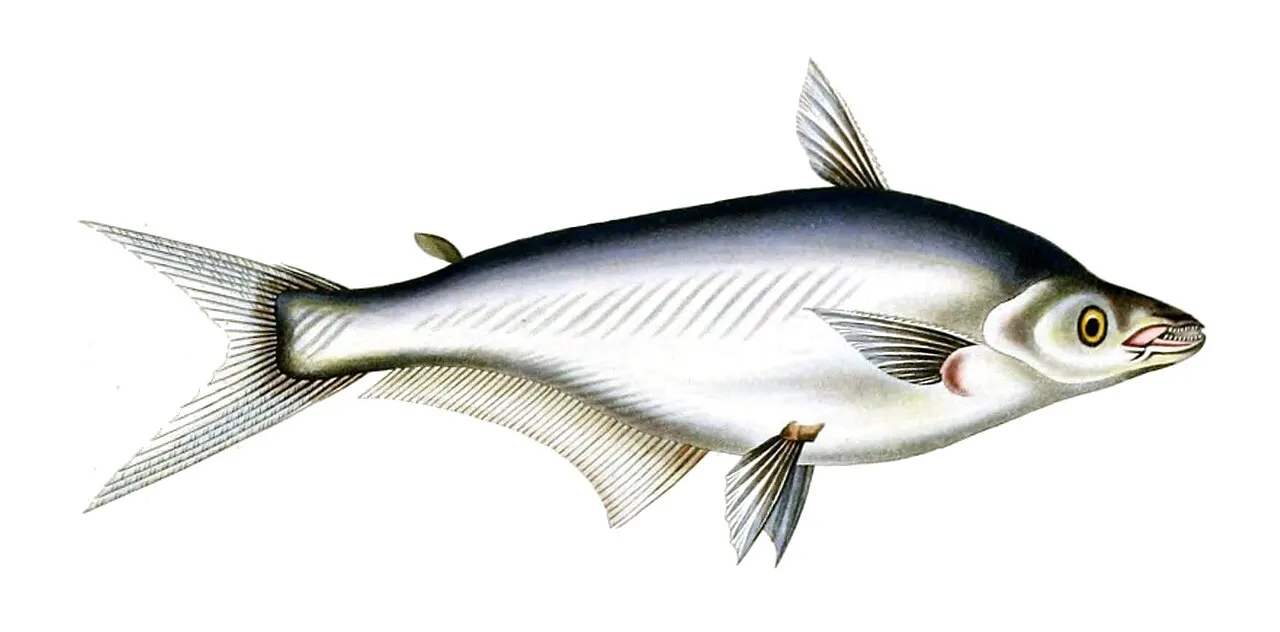
The white catfish (Silonia childreni) is a medium-sized river catfish found only in India, in the Krishna, Godavari and Cauvery river systems. The IUCN Red List rated it Endangered in 2011 because fishing, dams and drying rivers have cut its numbers. It hunts other fish and travels in shoals.
How to recognise it
Silonia childreni is a river catfish of the schilbid group (the IUCN files the genus under the family Ailiidae). It reaches about 48 centimetres (19 inches) in total length.
William Henry Sykes first described it in 1839 under the name Ageneiosus childreni. It sits in a genus with just one other species, the silond catfish (Silonia silondia).
Where it lives
The species is endemic to India. It lives in the Krishna, Godavari and Cauvery river systems of peninsular India, and the Red List assessment records it from Andhra Pradesh and Maharashtra. Its habitats are permanent rivers and large reservoirs.
Pins are Wikidata “endemic to” fields. Orange dots, when present, are GBIF occurrence tiles — survey bias included.
How it lives
White catfish feed on other fish. FishBase puts the species high on the food chain, with a trophic level of 4.2. Fish gather in shoals during the monsoon, and the IUCN classes the species as a full migrant, so it moves within river systems rather than staying put. Eggs are laid and left unguarded.
It is a commercial fishery species. FishBase describes it as a dominant catch from deep water, with catches peaking between April and July.
Why it is in trouble
The IUCN assessment lists several pressures. Fishing comes first, both large-scale and small-scale harvest. Large dams change river flow, and the assessment also lists soil erosion and silt, and pesticides and herbicides washing into the water. The population trend is decreasing, and the area it occupies is still shrinking.
The species has reportedly disappeared from at least one river, the Mula-Mutha, and has declined across its range. Drought and a lack of water released from dams are blamed, along with possible pollution.
What is being done
Not much, as far as the record shows. At the 2011 assessment there was no recovery plan, no monitoring scheme, no harvest management plan and no captive population. Conservation sites had been identified over part of the range. The assessment lists harvest management, protection of river habitat, restoration and awareness work as the needed actions, but the record does not show that these have been put in place.
Sources
Written for this catalog in our own words from the sources below, checked against them on 12 November 2026. Population figures are estimates and carry the year they were made. Status and assessment year: IUCN. 2026. The IUCN Red List of Threatened Species. Version 2026-1. iucnredlist.org.




