Endangered
Sardinella tawilis
Sardinella tawilis
The tawilis (Sardinella tawilis) is a small sardine that lives entirely in fresh water, in Taal Lake on Luzon in the Philippines. It is found nowhere else. The IUCN Red List rated it Endangered in 2018 after catches fell by about half in a decade. It is the most heavily caught fish in the lake.
How to recognise it
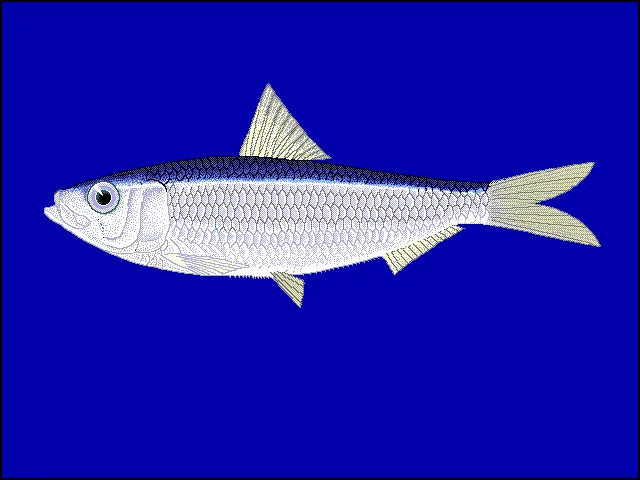
A slim, flattened silvery fish up to about 15 cm long and under 30 g, with one triangular dorsal fin, a forked tail and long, fine gill rakers. It is the only member of its genus known to live wholly in fresh water. Albert William Herre described it in 1927. In the Philippines it is also called bombon sardine or freshwater sardinella.
Where it lives
Taal Lake in Batangas, about 24,000 hectares and the third-largest lake in the Philippines, is its only home. The IUCN counts it as a single location, with an estimated area of occupancy of 244 square km and extent of occurrence of 297 square km. Its depth range reaches down to about 50 m.
Pins are Wikidata “endemic to” fields. Orange dots, when present, are GBIF occurrence tiles — survey bias included.
How it lives
The tawilis filters tiny animals from the water, favouring larger adult copepods, with some rotifers and water fleas. In Taal the fish spawn from April to July, when surface water is warmest. Generation length is about 3 years in the IUCN assessment.
Why it is in trouble
The Red List assessment (published 2018) found that catches have declined since at least 1998 and that the population fell by at least 50 percent over about ten years. The threats named include heavy fishing, a rise in illegal fishing gear, fish cages, sewage, run-off and introduced fish. A 2019 Philstar report put the fall in harvest at about 49 percent.
Fish cages are a big worry. Park management records for December 2018 showed 6,277 cages in the lake, though a fisheries official said cages should cover only about 10 percent of the water area. A fishers' group says tilapia from the pens eat tawilis eggs.
After the 2020 eruption of Taal Volcano, reproduction reportedly declined.
What is being done
In 2019 a regional environment official said the closed fishing season had lasted only two weeks for seven or eight years. New research pointed to a March to April closure, which was due to start that March. The same official said the agency had three patrol boats. The IUCN lists site management and harvest management as actions, and calls both the species and the lake high priorities for conservation.
In February 2021 some fish were moved out of the lake to a University of the Philippines Los Baños station because of volcanic activity. The tawilis is also in Slow Food's Ark of Taste catalogue of endangered heritage foods. It is eaten raw, dried and salted, smoked and bottled in oil.
Sources
Written for this catalog in our own words from the sources below, checked against them on 12 November 2026. Population figures are estimates and carry the year they were made. Status and assessment year: IUCN. 2026. The IUCN Red List of Threatened Species. Version 2026-1. iucnredlist.org.




