Endangered
Pseudoeurycea werleri
Pseudoeurycea werleri
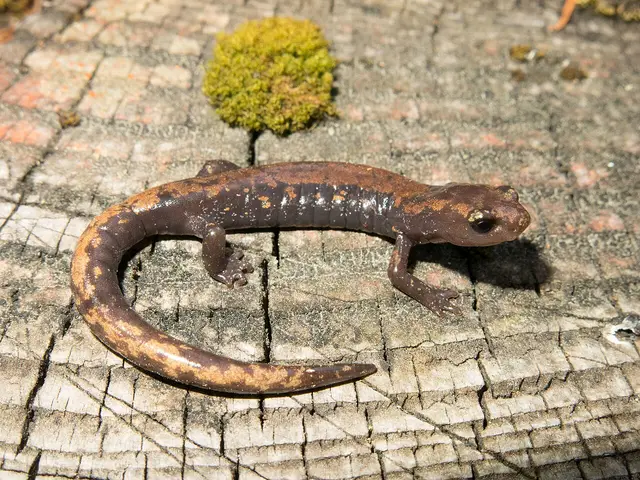
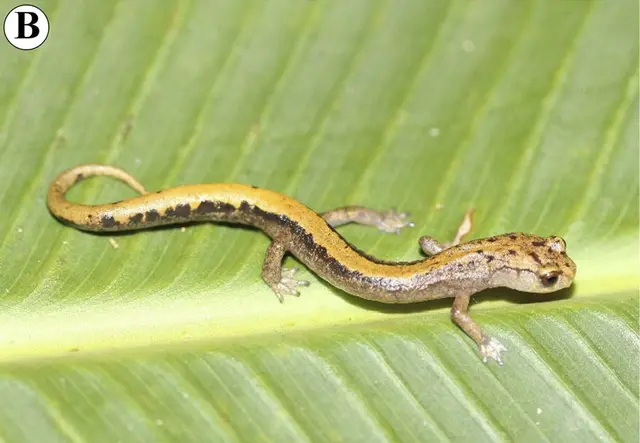
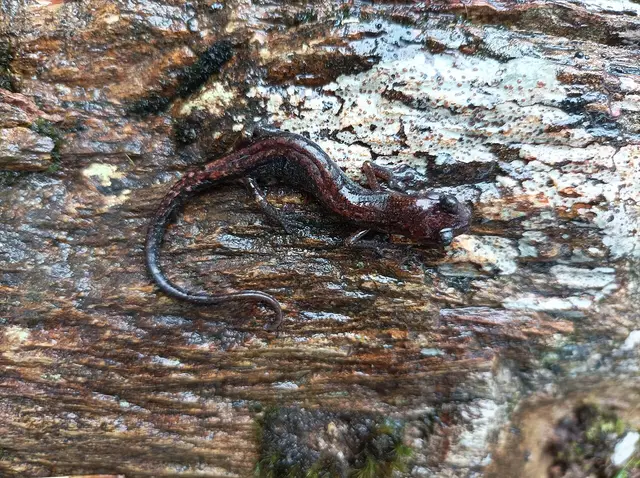
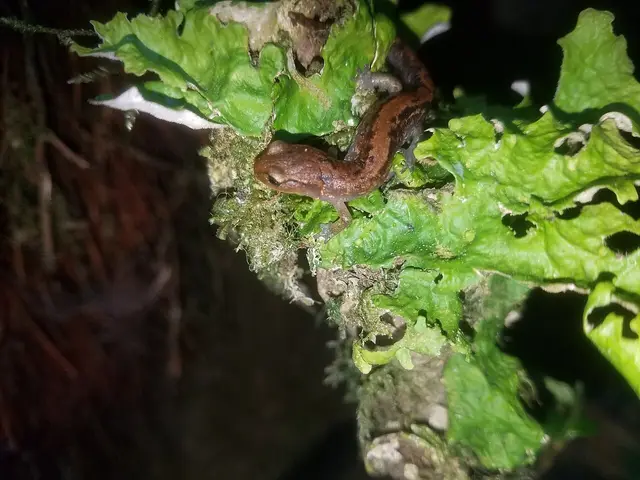
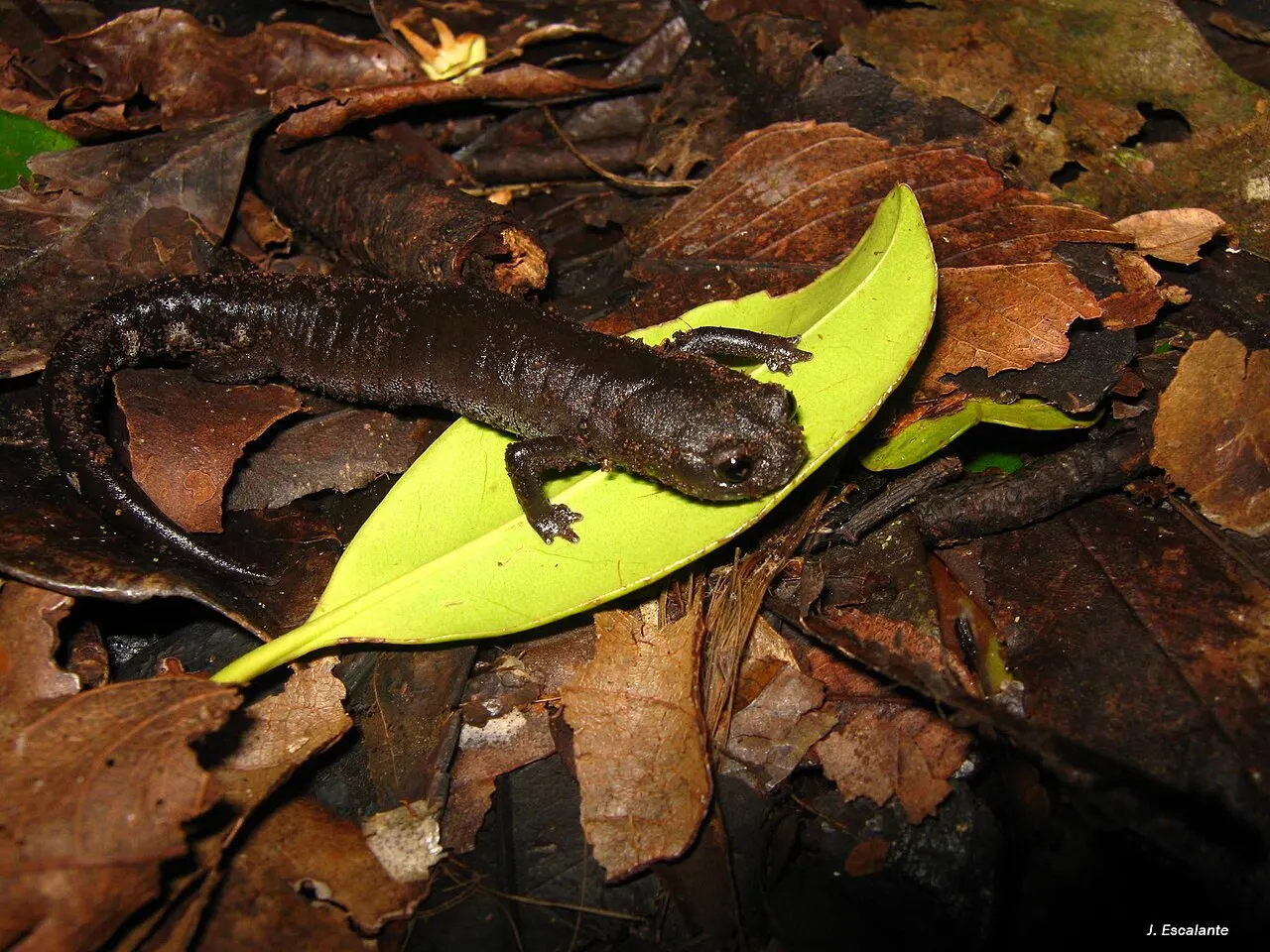
Werler's salamander (Pseudoeurycea werleri) is a lungless salamander of the cloud forests and rainforests of south-eastern Mexico, centred on the Sierra de los Tuxtlas in Veracruz. The IUCN Red List classes it as Endangered (assessed 2016) because its range is tiny, split into few sites, and still losing forest.
Where it lives
The species was described by Darling and Smith in 1954 and belongs to the lungless salamander family, Plethodontidae. Its stronghold is the Sierra de los Tuxtlas, a volcanic range in southern Veracruz, where it lives among moss mats in tropical rainforest and cloud forest. The 2016 IUCN assessment also lists Oaxaca, and gives an elevation span of 915 to 1,690 metres.
The numbers behind the Endangered rating show how small the range is. The IUCN put the extent of occurrence at about 5,300 square kilometres, and the area it actually occupies at about 197 square kilometres, split among just three locations. Its habitat is described as severely fragmented. The population trend is recorded as unknown.
Pins are Wikidata “endemic to” fields. Orange dots, when present, are GBIF occurrence tiles — survey bias included.
Habitat
Moist montane and lowland forest is its main habitat. The IUCN also records it from some altered places: plantations, rural gardens and heavily degraded former forest. That suggests it can persist where some cover remains, though the assessment still lists a continuing decline in the area of habitat.
Moist forest is the heart of its range, and the IUCN's habitat list shows that some cover is enough for it to hang on.
A species that may be more than one
A 2026 study in Vertebrate Zoology sequenced salamanders from across the region and found two clearly divergent lineages under the name werleri. One included animals from the Tuxtlas volcanoes (Santa Marta and San Martin) and from Sierra de Juarez in Oaxaca. The other covered animals from Cerro Rabon in the Sierra Mazateca, Oaxaca, and from Cumbres de Tonalixco in Veracruz, about 90 km to the north.
The study did not split the species or name anything new. It called the divergence preliminary and recommended more specimens and more genetic work, so the species' true limits remain unsettled.
Why it is in trouble
The IUCN names small-holder farming and housing and urban areas as ongoing threats, with a third ongoing threat recorded without a stated motivation. Logging is also reported as a threat. All of these convert or degrade forest, and the salamander has little habitat to spare.
On protection, the assessment says the species occurs in at least one protected area and that conservation sites have been identified over part of its range. Recommended actions include habitat and site protection, resource protection and habitat restoration.
Sources
Written for this catalog in our own words from the sources below, checked against them on 12 November 2026. Population figures are estimates and carry the year they were made. Status and assessment year: IUCN. 2026. The IUCN Red List of Threatened Species. Version 2026-1. iucnredlist.org.