Endangered
Pseudoeurycea tlilicxitl
Pseudoeurycea tlilicxitl
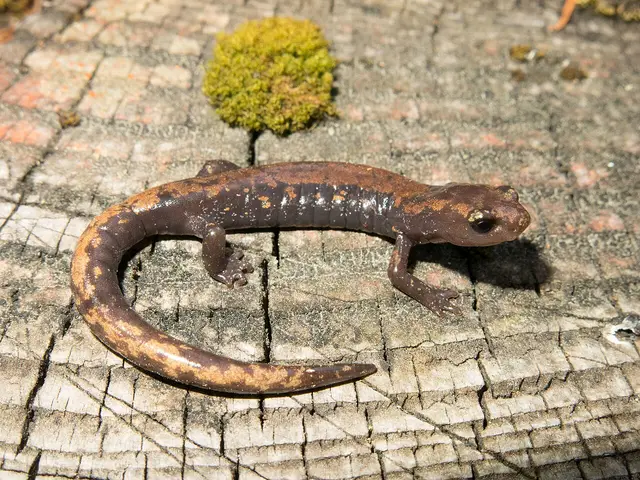
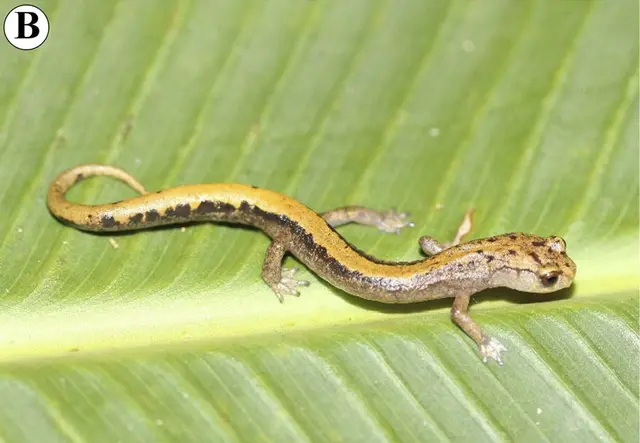
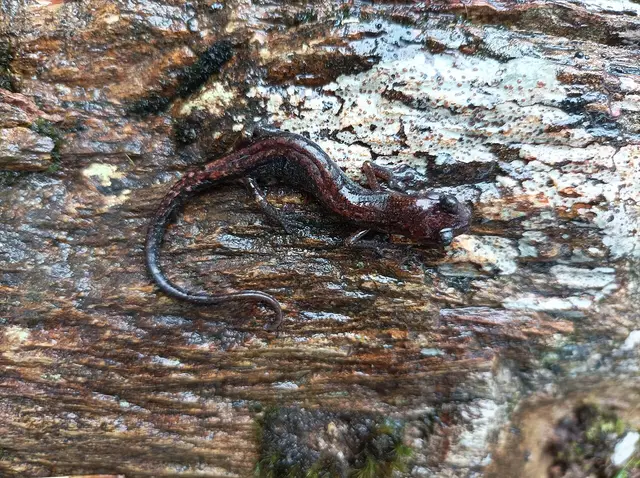
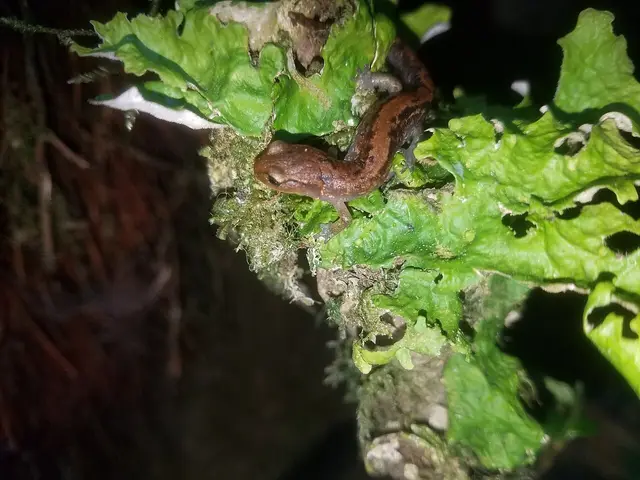
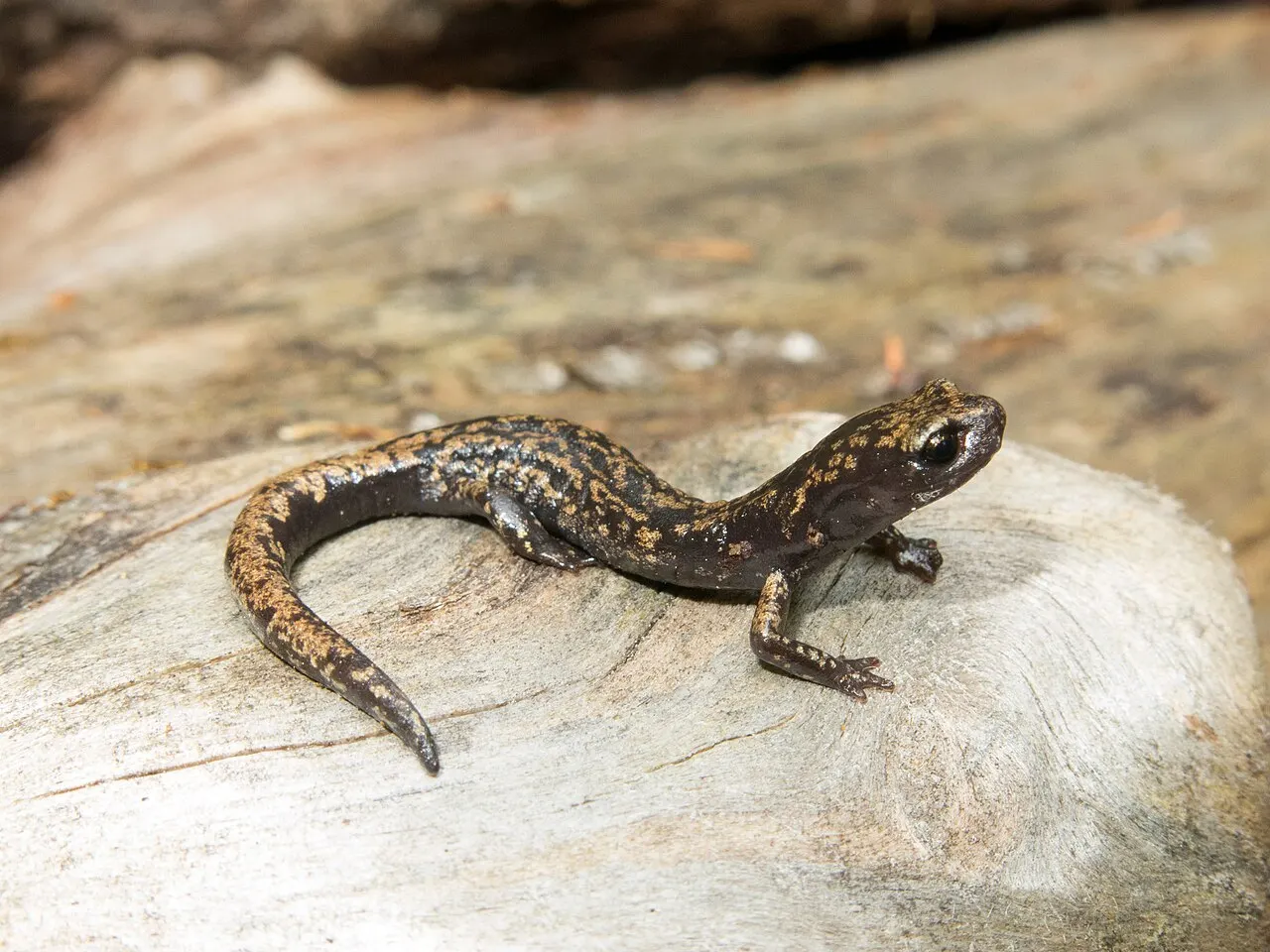
The black-footed salamander (Pseudoeurycea tlilicxitl) is a little-known lungless salamander from high mountain forest in central Mexico. It was described only in 2003 and is known from one location, between about 2,700 and 3,500 metres. The IUCN Red List lists it as Endangered (assessed 2016), with housing and industrial growth the main concern.
Where it lives
This salamander is endemic to Mexico. The IUCN lists it from the states of Morelos and Mexico, and counts it as a single location with an estimated extent of occurrence of about 1,583 square kilometres. It is a high-elevation animal, recorded between 2,700 and 3,500 metres, and the IUCN gives its habitats as subtropical or tropical moist montane forest and dry forest.
The animal that serves as the type specimen was found under a log in humid fir forest at about 2,950 metres, in the Lagunas de Cempoala area of Mexico state, near Las Trancas stream. Beyond that, records are scarce. Mexico's national biodiversity collection holds a specimen collected in 1979 at Cerro la Cima, listed under Mexico City, at about 3,046 metres, and a research-grade iNaturalist observation from 2015 is also logged for Mexico state. GBIF holds only these two records.
Pins are Wikidata “endemic to” fields. Orange dots, when present, are GBIF occurrence tiles — survey bias included.
How it lives
Very little has been published. The IUCN treats it as a non-migrant and lists the population trend as unknown, with no population size estimate. The type specimen was found under a log on the forest floor, but nothing more about its habits is documented.
Why it is in trouble
The IUCN records a continuing decline in the area and quality of its habitat. The threats it lists are commercial and industrial development, and housing and urban expansion, both of which clear or degrade the forest the salamander depends on.
The status has changed as knowledge has grown. The species was rated Data Deficient in 2006 and again in 2008, meaning too little was known to judge it, and was moved to Endangered in 2016 under criterion B1ab(iii), which covers a small range, few locations and a declining habitat.
What is being done
The species occurs in at least one protected area. The IUCN lists policy and regulation, and awareness and communication, as conservation actions for it. No dedicated monitoring programme or recovery plan appears in the records available.
Sources
Written for this catalog in our own words from the sources below, checked against them on 12 November 2026. Population figures are estimates and carry the year they were made. Status and assessment year: IUCN. 2026. The IUCN Red List of Threatened Species. Version 2026-1. iucnredlist.org.