Endangered
Platyplectrurus madurensis
Platyplectrurus madurensis
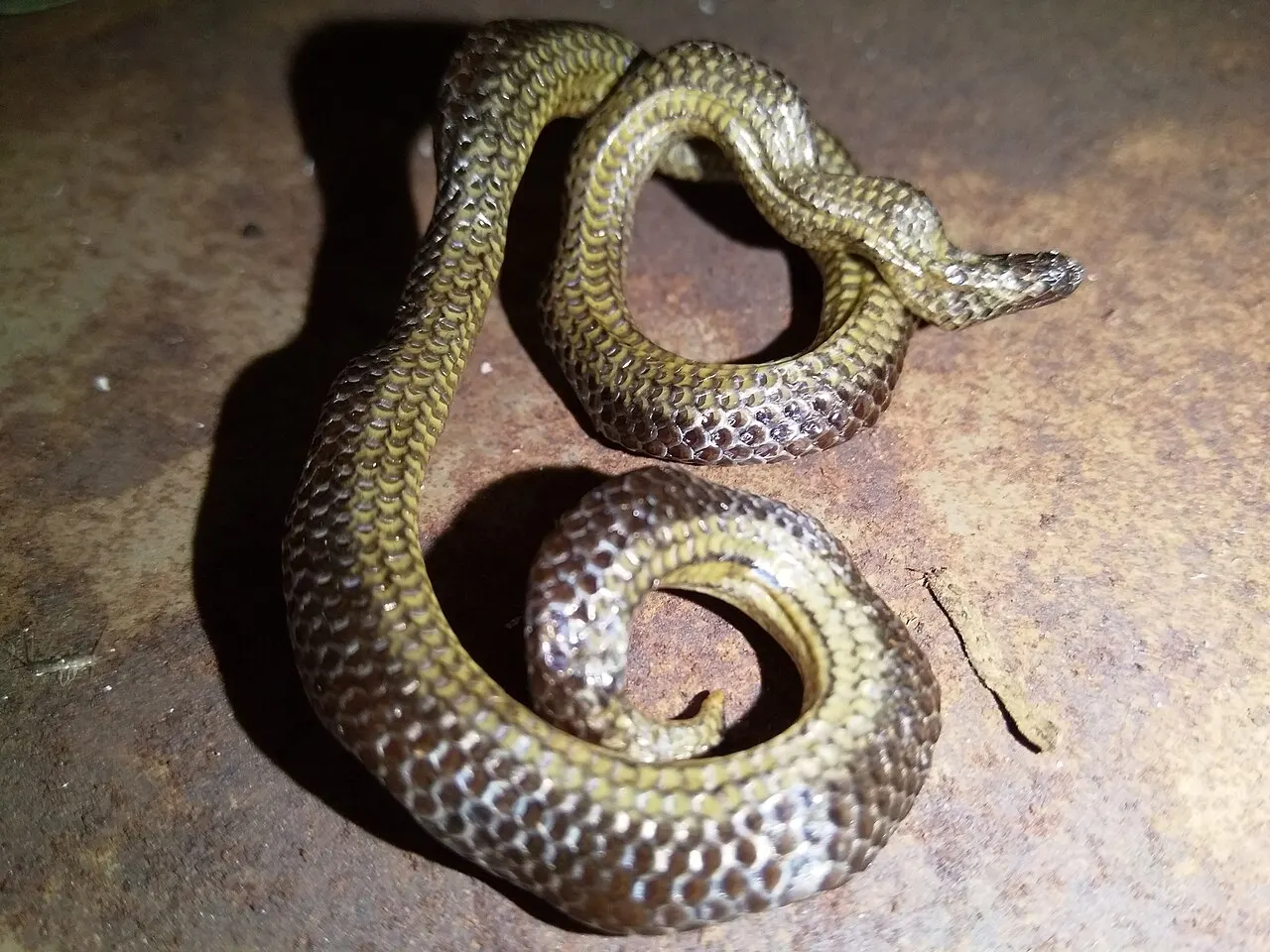
The Travancore Hills thorntail snake (Platyplectrurus madurensis) is a small burrowing snake of the southern Western Ghats in India. It lives in high montane forest and nearby gardens and plantations. The IUCN Red List assessed it as Endangered in 2013 because it occurs in very few places and its habitat is shrinking.
How to recognise it
It's a thorntail, or shieldtail, snake in the family Uropeltidae, a group of small, harmless, burrowing snakes with a blunt, shield-like tail tip. The back is an iridescent purplish brown. The belly scales are white in the middle with purplish-brown edges.
The longest specimen in the original description measured 35 cm. It looks a lot like the other species in its genus, the lined thorntail snake (Platyplectrurus trilineatus), but its head shields are proportionally shorter.
Where it lives
Richard Henry Beddome described the species in 1877 from the Pulney (Palni) Mountains in Madura district, at about 6,000 feet. The IUCN lists it from Tamil Nadu and Kerala, at elevations of 1,200 to 1,800 m, and counts only two locations.
Its habitats are montane forest, plantations and rural gardens. Snakes of this genus are typically found in high-elevation shola forest under rocks, fallen logs and debris. Some sources also include Sri Lanka in its range, based on a form called ruhunae, described from Galle in 1954. Other authors treat that form as a separate species, so the Sri Lankan records are disputed.
Pins are Wikidata “endemic to” fields. Orange dots, when present, are GBIF occurrence tiles — survey bias included.
How it lives
Very little has been written about this species in particular. Uropeltids as a family live mostly in the humus-rich top layer of soil and feed largely on earthworms and other invertebrates. The Reptile Database lists P. madurensis as ovoviviparous, meaning the eggs hatch inside the mother. Details such as clutch size and diet haven't been published for this snake.
Why it is in trouble
The IUCN gives an extent of occurrence of about 1,000 sq km and an occupied area of about 100 sq km, and the Endangered listing rests on that small range, the two locations and a continuing decline in habitat quality. The assessment lists agro-industry farming, tourism and recreation development, and herbicides and pesticides as threats. The population trend is recorded as unknown.
What is being done
Site and area protection is the one conservation action listed, alongside research needs on threats and population size. The 2013 assessment records that the species isn't known to occur in any protected area, and no species-specific recovery measures are documented.
Sources
Written for this catalog in our own words from the sources below, checked against them on 12 November 2026. Population figures are estimates and carry the year they were made. Status and assessment year: IUCN. 2026. The IUCN Red List of Threatened Species. Version 2026-1. iucnredlist.org.




