Critically Endangered
Obelus despreauxii
Obelus despreauxii
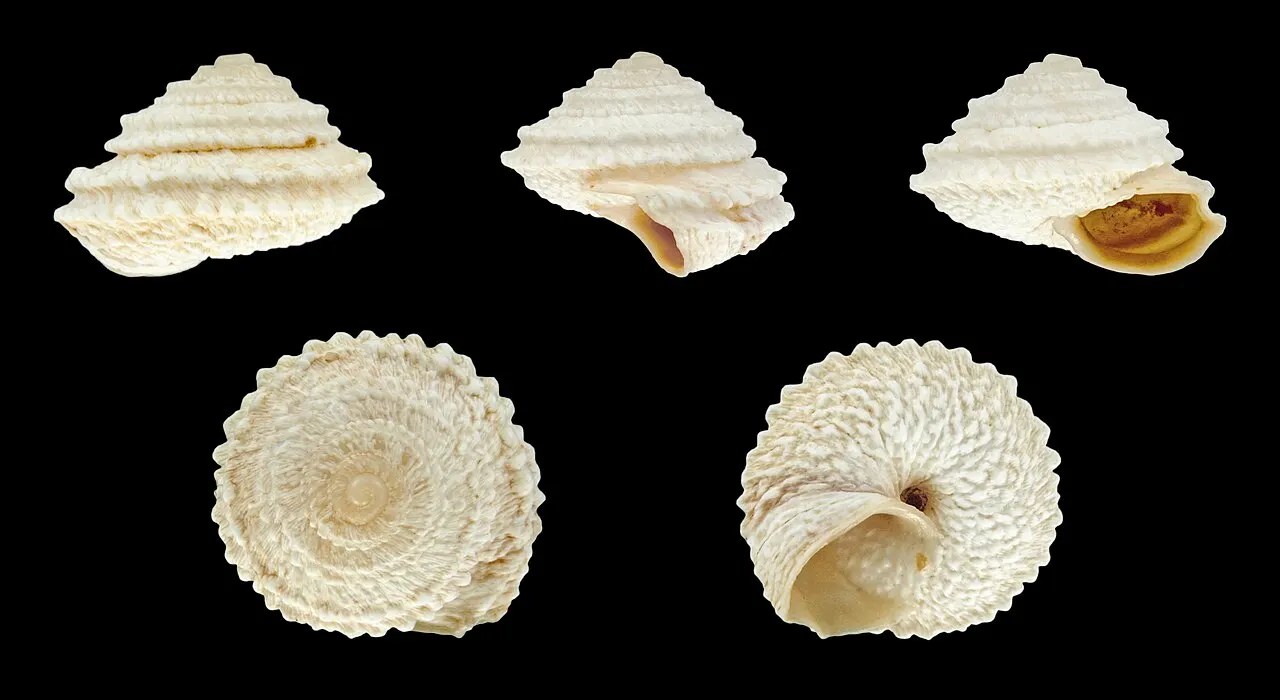
Obelus despreauxii is a small air-breathing land snail found only in the Canary Islands, Spain, where it lives in dry coastal scrub near sea level. The IUCN Red List rated it Critically Endangered in 2025 because its whole range covers only about 20 square kilometres.
How to recognise it
It's a terrestrial pulmonate in the family Geomitridae, a group of small land snails that includes the hairy snails. The French naturalist Alcide d'Orbigny described it in 1839 as Helix despreauxii, and it later became the type species of the genus Obelus, which today holds about seven species.
Where it lives
The species is endemic to the Canary Islands. Live snails recorded in the GBIF database between 2016 and 2020 all come from Gran Canaria, and museum specimens there are labelled from the Maspalomas dunes and the slopes of Montana de Arinaga on the southeast coast. A few older specimens carry Fuerteventura localities.
The 2025 Red List assessment says it occurs from sea level up to about 200 m, in Mediterranean-type shrubby vegetation. It gives both the area the snail occupies and its overall range as roughly 20 square kilometres, split among three locations. The population is described as severely fragmented.
Pins are Wikidata “endemic to” fields. Orange dots, when present, are GBIF occurrence tiles — survey bias included.
Why it is in trouble
The assessment records continuing declines in the snail's area, range, number of locations and habitat quality. Its threats all come from people using the same dry coast. Recreational activities are rated the biggest, with a medium impact across the whole range. Housing, tourism and recreation areas, commercial and industrial development, roads and railroads, and shifting agriculture each affect a majority of the range.
What is being done
The assessment estimates that 11 to 20 percent of the population lies inside a protected area. It names site protection and site management as the actions needed, and lists habitat trends and population size and distribution as research priorities.
It records no international legislation or trade controls for the species, and the status of any recovery plan or monitoring scheme is listed as unknown. No captive population is recorded.
Sources
Written for this catalog in our own words from the sources below, checked against them on 12 November 2026. Population figures are estimates and carry the year they were made. Status and assessment year: IUCN. 2026. The IUCN Red List of Threatened Species. Version 2026-1. iucnredlist.org.




