Critically Endangered
Namibcypris
Namibcypris costata
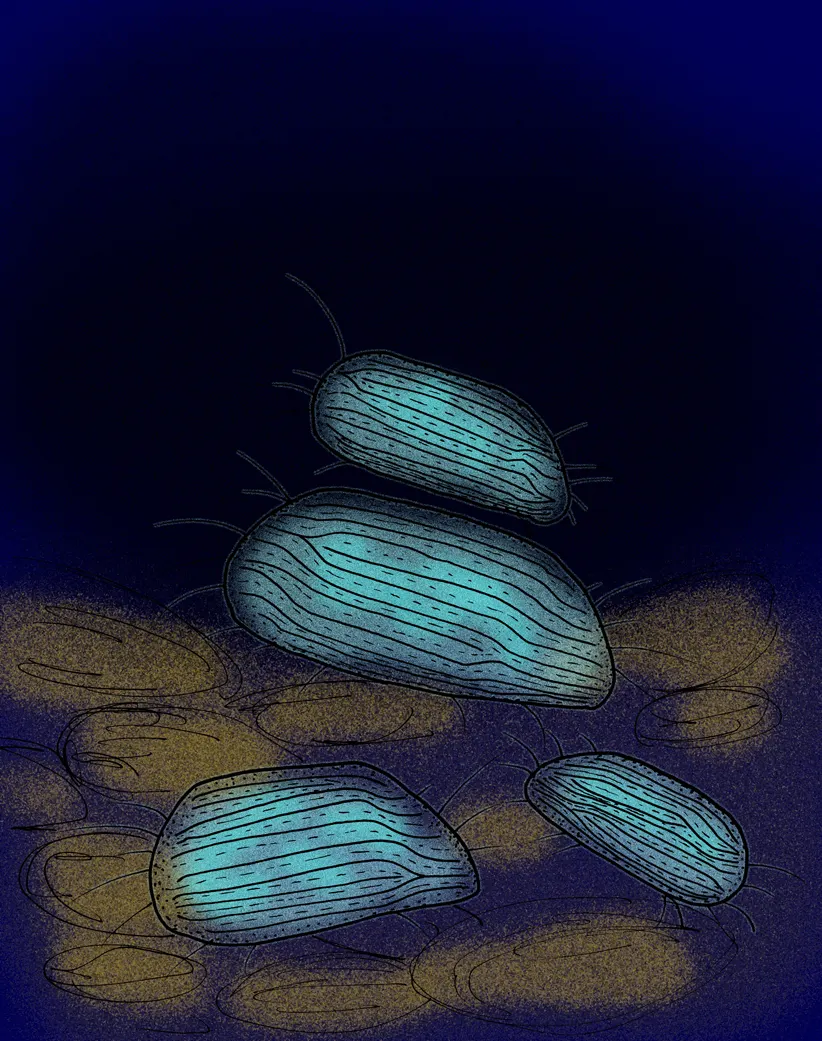
Namibcypris costata is a freshwater ostracod, a small crustacean in the family Candonidae. It is known only from springs in the southern Kaokoveld of north-western Namibia and is the sole species in its genus. The IUCN assessed it as Critically Endangered in 2025, after earlier listings treated it as missing or extinct.
What it is
Ostracods are small crustaceans whose body sits inside a shell of two valves, a little like a clam's. This one belongs to the family Candonidae and stands alone in the genus Namibcypris, which K. Martens named in 1992. The paper, in the journal Stygologia, described the new genus and species from a spring in northern Namibia. It also set up a new tribe and discussed how the larger group of podocopid ostracods is classified.
Its size and appearance are not recorded in the sources checked, so there is little to say about how to tell it from other freshwater ostracods without a microscope and a specialist.
Where it lives
The animal is thought to be endemic to Namibia, possibly to the southern Kaokoveld alone. The IUCN records it only from springs at Sesfontein and the Okanondjoze fountain, and treats it as a subterranean freshwater species that was collected incidentally in surface springs. It lists its habitat as karst and other underground water systems.
The species is known only from the original specimens described in 1992, and the IUCN notes that no later surveys appear to have been made. One source gives the last record as 1987, another as 1990. That gap, and the lack of later sightings, is why earlier assessments called it missing or extinct. The 2025 Red List assessment instead records it as extant and Critically Endangered under criterion B1ab(iii)+2ab(iii), which covers a tiny range, a fragmented population and declining habitat quality.
Pins are Wikidata “endemic to” fields. Orange dots, when present, are GBIF occurrence tiles — survey bias included.
Why it is in trouble
The IUCN lists a decreasing population, a severely fragmented one, and a continuing decline in the area it occupies. The only threat recorded is human work and other activities, affecting more than half of the population, with timing ongoing and severity unknown. No population size is given.
The assessors say the threats are unclear. Sanitary works were reported at the spring where the species was first collected, which may have harmed the population. Springs fed by underground water are very sensitive to pollution and disturbance, and the species was listed as Critically Endangered as a precaution because its known range is so small.
What is being done
Very little is in place. The assessment records no recovery plan, no monitoring scheme, no protected area covering the species (0 percent of the population is protected) and no captive population. The actions it recommends are protecting the site, protecting the habitat and resources, and raising awareness. New surveys of the known springs would show whether the animal still lives there and what is affecting it.
Sources
Written for this catalog in our own words from the sources below, checked against them on 12 November 2026. Population figures are estimates and carry the year they were made. Status and assessment year: IUCN. 2026. The IUCN Red List of Threatened Species. Version 2026-1. iucnredlist.org.




