Critically Endangered
Masticophis anthonyi
Masticophis anthonyi
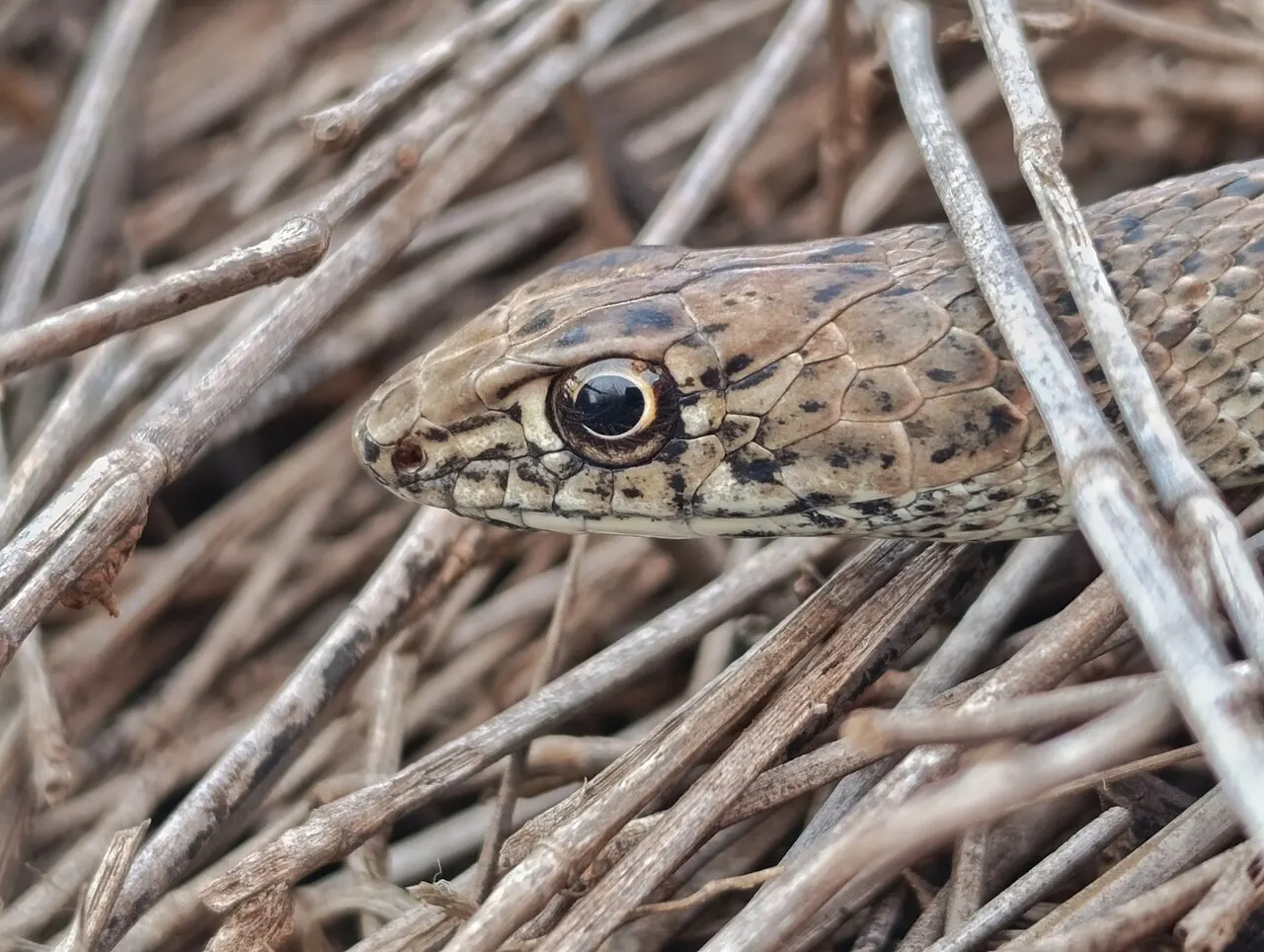
The Clarion Island whip snake (Masticophis anthonyi), also called the Clarion racer, is a slender, egg-laying snake found only on Clarion Island, a small Mexican island far out in the Pacific. The IUCN Red List rated it Critically Endangered in 2007, though very little is known about how many there are.
How to recognise it
Leonhard Stejneger described the species in 1901 from a specimen that the naturalist Alfred Webster Anthony collected in April 1897, and the snake is named for Anthony. The original description calls it walnut brown, mostly uniform, with scattered black spots. It has 17 rows of scales around the body, 186 to 204 belly scales and 97 to 112 scales under the tail.
It is the only snake recorded from the Revillagigedo Archipelago.
Where it lives
Clarion Island is part of Mexico's Revillagigedo Archipelago, more than 700 km from the mainland, and covers 28.4 square km. A Mexican naval unit is stationed there year-round and is the island's only settlement. The IUCN assessment lists dry tropical shrubland and grassland as the snake's habitat and says it occurs in at least one protected area.
Pins are Wikidata “endemic to” fields. Orange dots, when present, are GBIF occurrence tiles — survey bias included.
How it lives
Little is known of its ecology, and the assessment records its population trend as unknown. It lays eggs. During the 2002 to 2003 breeding season, a Clarion racer was seen preying on a newly hatched Laysan albatross chick. A short note on the snake's diet appeared in Herpetological Review in 2007.
Why it is in trouble
Its whole world is one small island, which is the main reason for the Critically Endangered rating. Domestic pigs and sheep and European rabbits were introduced between 1979 and 1986. The IUCN assessment names all three as ongoing threats and lists conversion and degradation of its ecosystem as the stresses.
Pigs and sheep have since been removed, but a 2013 report said rabbits were still present and still a problem.
What is being done
The Red List assessment calls for site management and habitat restoration. Removing the pigs and sheep from the island is the clearest step taken so far, and the rabbits remained as of 2013.
Sources
Written for this catalog in our own words from the sources below, checked against them on 12 November 2026. Population figures are estimates and carry the year they were made. Status and assessment year: IUCN. 2026. The IUCN Red List of Threatened Species. Version 2026-1. iucnredlist.org.




