Endangered
Guatemalan beaded lizard
Heloderma charlesbogerti
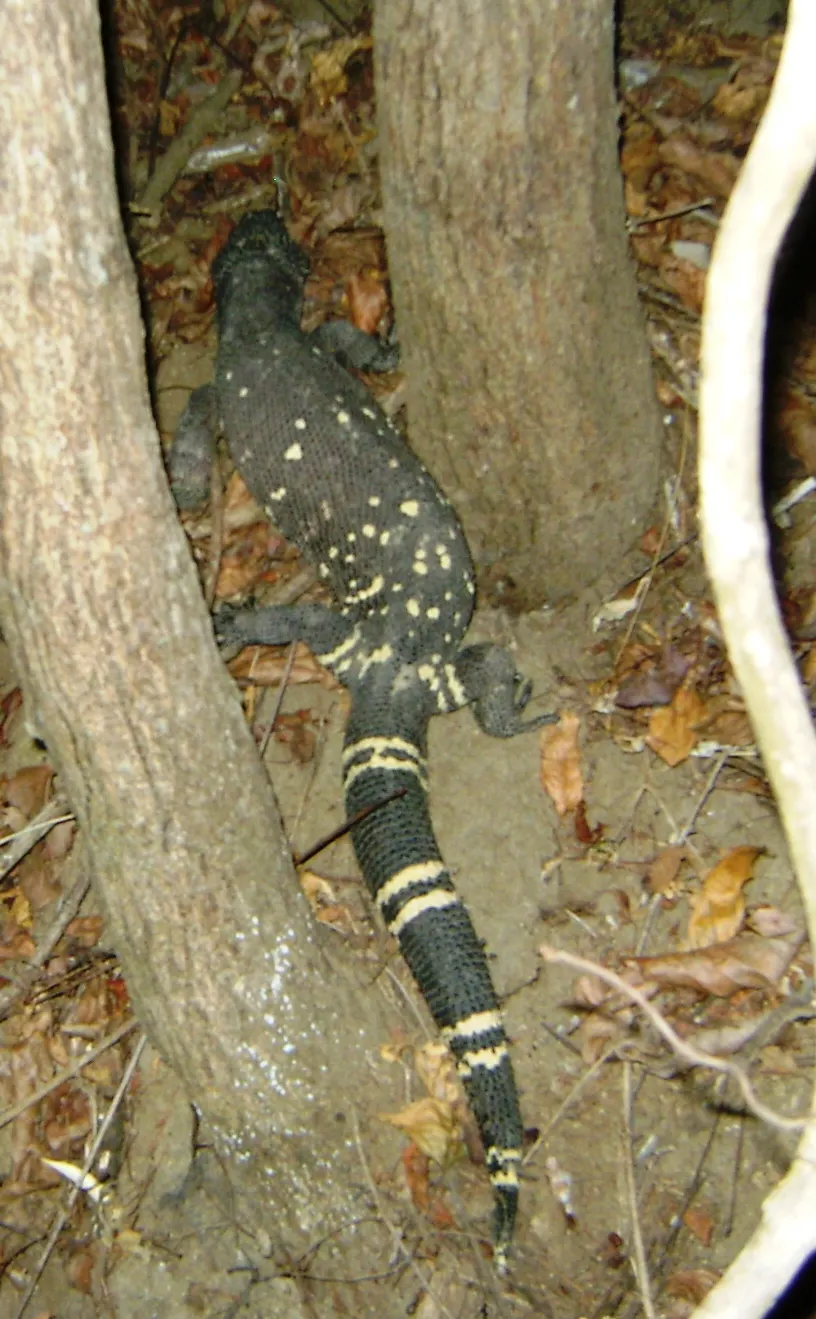
The Guatemalan beaded lizard (Heloderma charlesbogerti) is a venomous lizard found only in the dry thornscrub of Guatemala's Motagua Valley. It is the smallest of the beaded lizards and the only one living apart from the rest. The IUCN Red List rated it Endangered in 2021, with a decreasing population.
What it is
Beaded lizards are the heavy, slow-moving venomous lizards of the family Helodermatidae, and this is the smallest species in the genus Heloderma. It also differs from its relatives in colour. It was first described in 1988 by Campbell and Vannini as a subspecies of the Mexican beaded lizard, and a 2013 paper by Reiserer, Schuett and Beck raised it to a full species.
Locals call it niño dormido, the sleeping child, because of its lethargic walk. It is venomous, but according to a 2026 Reuters report its venom has not been known to kill a person.
Where it lives
The species is endemic to the dry forests of the Motagua Valley in southeastern Guatemala. It is the only beaded lizard whose range sits apart from the others, and the nearest population, a different species, lives about 250 km (160 miles) away.
The IUCN assessment lists dry subtropical forest and dry shrubland, at roughly 300 to 950 m above sea level, and counts two locations. It describes the population as severely fragmented.
Pins are Wikidata “endemic to” fields. Orange dots, when present, are GBIF occurrence tiles — survey bias included.
How it lives
Birds' eggs are the main food. The lizards live in dry stream beds (arroyos) with plenty of dove and parakeet nests in low trees. They also eat the eggs of the Guatemalan spiny-tailed iguana, along with beetles and crickets. Radio-tracking in the dry forests of Zacapa found an average home range of about 130 hectares.
Captive animals can live up to 23 years, according to a 2022 AFP report.
Why it is in trouble
The IUCN lists farming and ranching, housing, drought and more frequent fire among the threats, along with persecution and collection of the animals themselves. Reuters in 2026 named habitat loss and the illegal pet trade as the main causes of decline. Lizards that wander into villages are often killed by people afraid of them, and the pet trade once paid as much as $2,000 per animal in Europe, AFP reported in 2022.
Numbers are uncertain and the figures differ. Guatemalan officials told AFP in 2022 that about 600 remained, up from about 200 two decades earlier. In 2026 the head of La Aurora zoo's conservation project estimated 500 to 700 wild adults. The IUCN assessment gives a population size of 500 and a continuing decline.
What is being done
The species moved from CITES Appendix II to Appendix I in 2007, the strictest level of trade control. A forest reserve in Zacapa is dedicated to the lizard, and villagers are encouraged to bring lost animals there. A 2022 grant of $9,000 from the Mohamed bin Zayed Species Conservation Fund supported work toward protecting about 800 hectares of habitat at El Pinal, a community tree nursery, and school visits that reached 400 children.
La Aurora zoo in Guatemala City reported in July 2026 that it was breeding the species. It plans to condition the young to feed and climb, move them to large enclosures in their natural habitat, and release them in 2027, with monitoring. The IUCN assessment notes that only 1 to 10 percent of the population is inside protected areas.
Sources
Written for this catalog in our own words from the sources below, checked against them on 12 November 2026. Population figures are estimates and carry the year they were made. Status and assessment year: IUCN. 2026. The IUCN Red List of Threatened Species. Version 2026-1. iucnredlist.org.
- IUCN Red List assessment, Heloderma charlesbogerti (2021)
- Heloderma charlesbogerti, Wikipedia
- Reuters via Arab News, Guatemalan zoo breeds rare lizards (July 2026)
- AFP via Briefly, Saving Guatemala's poisonous 'Sleeping Child' lizard (July 2022)
- Species Conservation Fund, Guatemalan Beaded lizard case study




